AWS Elastic Beanstalk Launches New Fully-Managed Cluster Mode to Modernize Application Lifecycle Management

Fifteen years after its inception, AWS Elastic Beanstalk has undergone a foundational evolution, marking a transition from a simple deployment utility to a fully-managed, enterprise-grade application lifecycle engine. The introduction of the new Cluster Mode represents the most significant shift in the service’s history, moving away from traditional EC2-based architecture toward a robust, Kubernetes-driven backend powered by Amazon Elastic Kubernetes Service (EKS). This update addresses the needs of modern organizations managing diverse portfolios of applications that require high availability, cost-efficiency, and a unified operational baseline.
The Evolution of Elastic Beanstalk: A Fifteen-Year Chronology
Since its 2011 debut, AWS Elastic Beanstalk provided a vital bridge for developers looking to move beyond manual server configuration. By abstracting away the complexities of capacity provisioning, load balancing, and auto-scaling, it allowed teams to focus on business logic in languages ranging from Java and Python to PHP and Ruby.
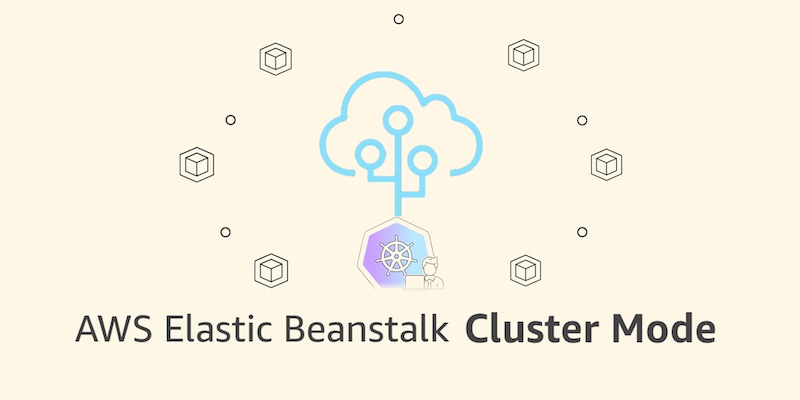
However, the landscape of software engineering has shifted dramatically in the last decade. The rise of containerization and microservices architecture necessitated a more flexible, scalable, and resilient infrastructure. Between 2011 and 2025, AWS gradually introduced enhancements to maintain the service’s relevance, including deeper integration with Docker, advanced monitoring tools, and CI/CD pipeline compatibility. The launch of Cluster Mode in late 2026 is the culmination of this multi-year effort to modernize the service’s "operational engine." By shifting the underlying foundation to EKS, AWS is aligning its legacy platform-as-a-service (PaaS) offering with the industry-standard container orchestration technology, ensuring that developers can maintain the ease of use of Elastic Beanstalk while benefiting from the sophisticated resource management of Kubernetes.
Understanding Cluster Mode: Architecture and Efficiency
The core value proposition of the new Cluster Mode lies in its approach to resource utilization. In previous versions of Elastic Beanstalk, each application environment often operated in relative isolation, leading to potential "resource silos" where multiple small applications might each require their own dedicated compute instances, driving up costs and operational overhead.
Cluster Mode introduces a shared-infrastructure model. By leveraging Amazon EKS, multiple applications can reside within a single, managed cluster. This transition provides several technical advantages:

- Operational Consolidation: Instead of managing disparate environments, teams can manage a single operational baseline across a portfolio of applications.
- Resource Optimization: Shared resources allow for significantly higher density of workloads, which directly correlates to lower per-application costs as an organization scales.
- Unified Governance: Security, compliance, and patching policies are applied at the cluster level, reducing the surface area for configuration drift.
Technical Implementation and Operational Flexibility
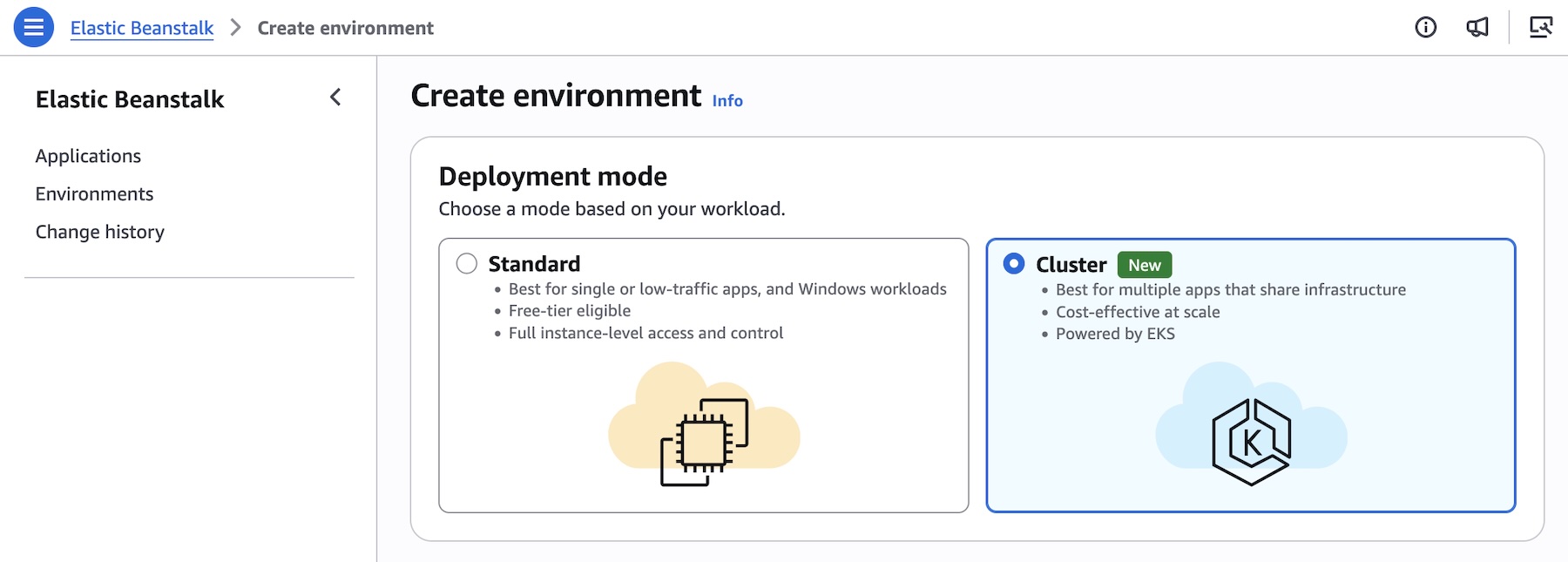
For organizations currently utilizing Elastic Beanstalk, the transition to Cluster Mode is designed to be incremental. AWS has ensured that the "Standard" mode, powered by Amazon EC2, remains fully supported. This coexistence allows for a hybrid migration strategy, where teams can migrate specific environments to Cluster Mode at their own pace without disrupting existing production traffic.
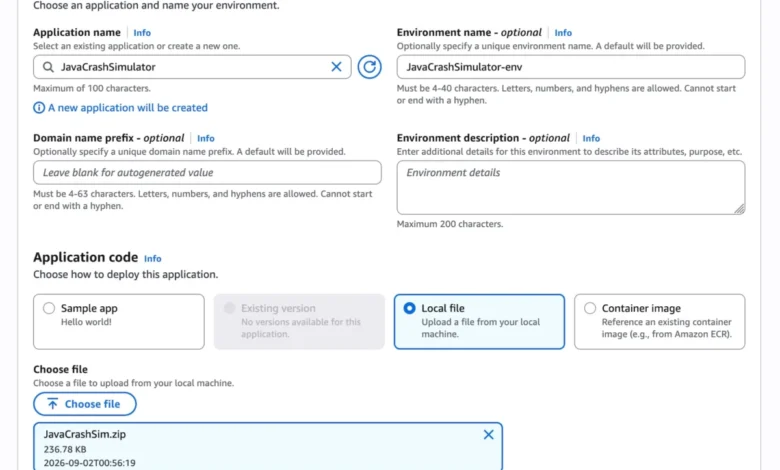
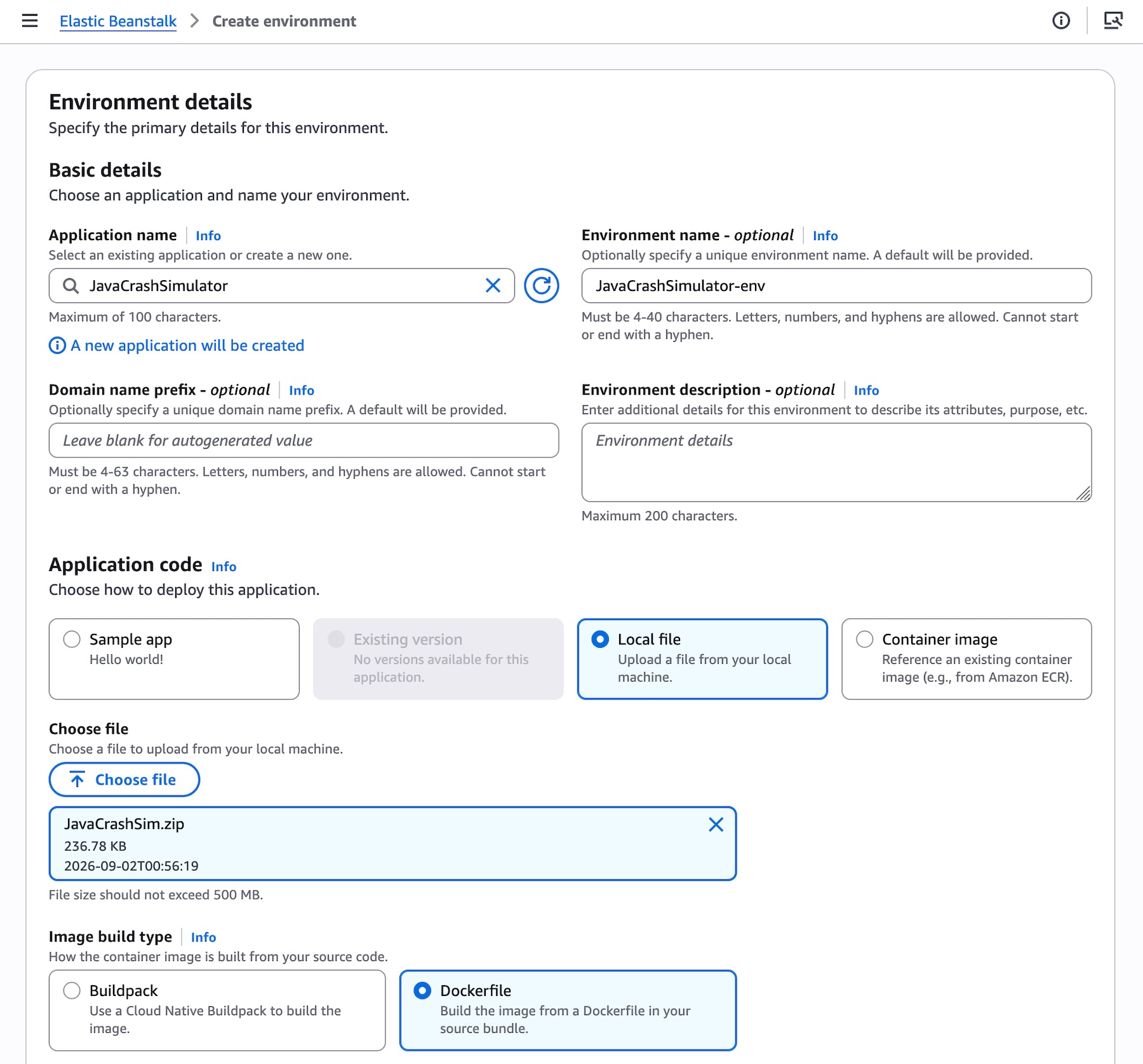
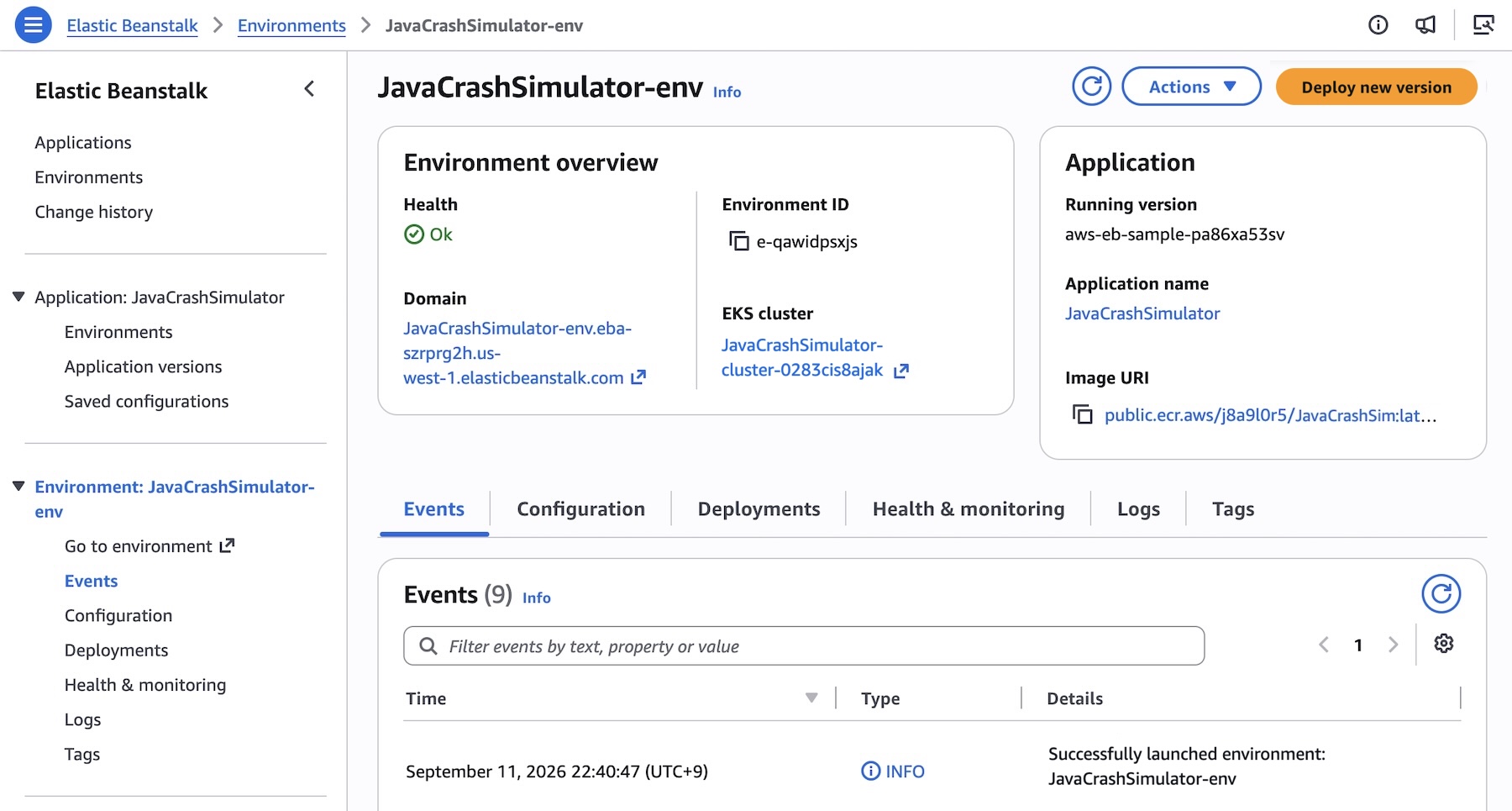
The implementation process within the AWS Management Console has been streamlined. When creating a new environment, users can now select "Cluster" as their deployment type. For developers who prefer programmatic control, the AWS CLI and SDKs have been updated to support the new namespace parameters, allowing for granular control over EKS-based deployments.
A typical workflow for a microservices architecture involves registering container images within the Amazon Elastic Container Registry (ECR). These images are then assigned to specific application versions within the Elastic Beanstalk environment. Developers can define environment-specific configurations—such as CPU allocation, memory limits, and load balancer schemes—via JSON-based configuration files, providing a declarative approach to infrastructure management that is highly compatible with modern DevOps practices.
AI-Driven Insights and Observability
A major component of the 2026 Elastic Beanstalk overhaul is the integration of advanced observability and artificial intelligence. The new Cluster Mode benefits from AI-powered environment analysis, which acts as a proactive diagnostic tool. This feature continuously monitors logs, health metrics, and deployment patterns to identify potential bottlenecks before they impact end-users.
Furthermore, the integration of OpenTelemetry ensures that applications running within Cluster Mode are automatically instrumented for deep observability. This enables developers to trace requests across microservices, monitor latency at the service level, and generate actionable insights into application performance. By automating the "undifferentiated heavy lifting" of monitoring and patching, AWS aims to shift the burden of production-grade infrastructure management entirely to the service itself, leaving the developer responsible only for the application code.
Industry Implications and Market Positioning
The decision to integrate Amazon EKS into Elastic Beanstalk is a strategic move that reflects the broader industry consensus on Kubernetes as the de-facto standard for container orchestration. For many enterprises, the barrier to entry for Kubernetes has historically been high due to the steep learning curve associated with cluster management. By wrapping EKS in the familiar, user-friendly interface of Elastic Beanstalk, AWS is effectively "democratizing" Kubernetes.
From a market perspective, this places AWS in a strong position to retain customers who might otherwise migrate to alternative container-based platforms or managed services. It also addresses the primary critique of the original Elastic Beanstalk: that it was too rigid for the modern microservices ecosystem. By providing a "managed Kubernetes" experience that doesn’t require the user to be a Kubernetes expert, AWS is bridging the gap between legacy PaaS and modern cloud-native architecture.
Economic Considerations
While Elastic Beanstalk Cluster Mode is offered without an additional service-specific surcharge, it is important for organizations to account for the underlying resource costs. Because the service relies on EKS, users are responsible for the EKS control plane fees, compute costs for EKS Auto Mode, and associated storage or monitoring costs (such as CloudWatch logs).
Analysts note that while these costs are transparent, the efficiency gains from shared resource pools in Cluster Mode are expected to yield a net reduction in total cost of ownership (TCO) for organizations managing more than ten distinct microservices. However, because this service is not eligible for the AWS Free Tier, organizations are encouraged to perform cost modeling before migrating large-scale production environments.
Looking Ahead: The Future of Managed Services
The introduction of Cluster Mode is generally available today across all regions where Elastic Beanstalk is supported. The move signals a broader trend within AWS: the abstraction of infrastructure management through intelligent, automated, and shared-resource layers. As organizations continue to increase their investment in distributed systems, the demand for services that provide "production-ready by default" capabilities—such as automated HTTPS via Certificate Manager, secrets management via AWS Secrets Manager, and traffic-splitting deployments—will only grow.
In conclusion, the new Elastic Beanstalk Cluster Mode serves as both a modernization of a legacy tool and a gateway to the next generation of cloud-native infrastructure. By providing a managed path to EKS, AWS has ensured that the thousands of organizations relying on Elastic Beanstalk for their mission-critical applications have a clear, supported, and scalable path forward, reinforcing the platform’s utility in a container-first world.