Breuninger accelerates European expansion strategy with entry into eleven new markets

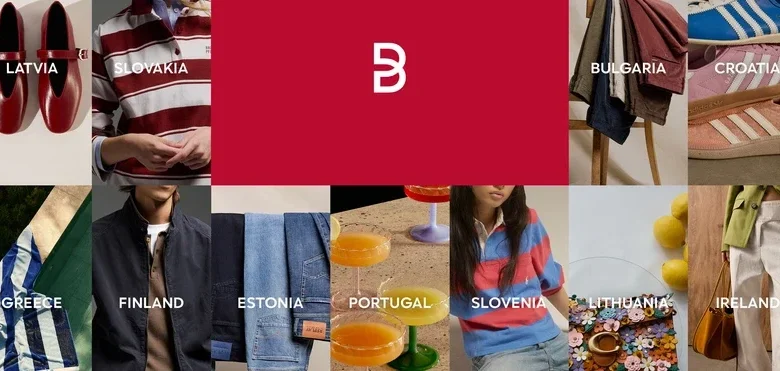
German luxury retailer Breuninger is aggressively scaling its international footprint, announcing a significant expansion that extends its digital reach into eleven additional European nations. This strategic move, which brings the company’s total active market count to 24, underscores a pivot toward e-commerce as the primary engine for long-term growth. By integrating its online store, curated marketplace, and customer loyalty program across these new territories, the family-owned department store chain is positioning itself as a dominant pan-European player in the premium fashion and lifestyle sector.
The new markets include Finland, Estonia, Latvia, Lithuania, Ireland, Bulgaria, Slovenia, Slovakia, Croatia, Portugal, and Greece. Customers in these regions will be served through a dedicated English-language online storefront, ensuring that Breuninger’s premium product range is accessible to a significantly broader audience. This latest expansion follows a series of successful launches earlier in the year, which saw the company establish a presence in Denmark, Sweden, and Romania, signaling a consistent and rapid acceleration of its cross-border operations.
A Chronology of Digital Transformation
The path to this current expansion did not occur in isolation but is the culmination of a decade-long digital strategy. Founded in 1881 as a textile store in Stuttgart, Breuninger has historically been defined by its high-end physical department stores. However, the company recognized early on that the future of luxury retail lay in the marriage of physical prestige and digital convenience.
The firm’s initial foray into digital retail occurred in 2008 with the launch of its first online shop. For over a decade, this platform served primarily as a digital extension of its physical German locations. The landscape shifted dramatically in 2020, when the company introduced its marketplace model. This transition allowed Breuninger to move beyond its traditional inventory and partner with external brands, drastically increasing its SKU count and category depth.
In recent years, the company has accelerated its international roadmap. The 2023 and early 2024 periods were characterized by technical and logistical preparation to handle cross-border shipping, localized currency adjustments, and diverse consumer preferences across the Nordic and Eastern European regions. With the current expansion to 24 markets, the company has effectively doubled its international reach in less than 24 months.
Market Expansion and The Role of the Marketplace
A critical component of this expansion is the deliberate scaling of the Breuninger marketplace. While the online shop provides a curated selection of premium goods directly from the retailer, the marketplace model allows for a more agile inventory management system. By expanding the marketplace into Poland, Austria, and the Netherlands—three highly competitive and mature e-commerce markets—Breuninger is attempting to capture a larger share of the digital luxury spend in Central Europe.
This model serves two purposes: it allows the retailer to test the appetite for specific niche brands without the overhead of physical inventory, and it enables a more rapid response to changing fashion trends. Furthermore, the integration of the BEYOND loyalty program into these new markets is a tactical play to increase customer lifetime value. By offering exclusive perks, personalized recommendations, and a frictionless digital experience, Breuninger aims to replicate the "high-touch" service of its brick-and-mortar stores in a virtual environment.
Executive Perspectives on Strategic Growth
The decision to expand into these specific eleven markets is described by leadership as a foundational step toward long-term sustainability. Holger Blecker, CEO of Breuninger, emphasized the necessity of this move in a recent statement, noting that the online business has transitioned from a supplemental channel to a key growth driver.
"With the simultaneous launch in eleven additional European countries, we are taking a major and important step in our internationalization strategy," Blecker remarked. "The expanded European presence creates the foundation for acquiring new customers and further developing our international business in the long term."
This sentiment is echoed by Dr. Felix Kreyer, the company’s Chief Customer Officer, who views the synergy between the shop, the marketplace, and the loyalty program as the company’s "digital growth engine." According to Kreyer, the expansion is not merely about increasing geography, but about reinforcing the brand’s identity as a comprehensive digital fashion and lifestyle destination. The strategy centers on maintaining the "curated" aspect of the brand—ensuring that despite the increased scale, the product selection remains high-end and selective.
Analysis: Implications for the Luxury Retail Landscape
The expansion of Breuninger into 24 markets carries several implications for the broader European luxury retail sector.
Firstly, it challenges the dominance of large, pure-play e-commerce platforms like Zalando or Farfetch. By leveraging the prestige associated with its long-standing physical brand—often referred to in Germany as a "destination department store"—Breuninger brings a level of brand heritage and trust that pure-play competitors often struggle to cultivate.
Secondly, the move highlights the ongoing consolidation of the European luxury market. As smaller, local boutiques face increasing pressure from digital-first giants, mid-to-large scale retailers like Breuninger are finding that success requires a robust, scalable digital infrastructure. The ability to deploy a localized English-language interface across such diverse nations as Greece and Finland indicates a sophisticated approach to logistics and customer experience (CX).
Thirdly, the focus on the "marketplace" model suggests a shift in how luxury retailers view inventory. By becoming a platform, Breuninger is insulating itself against the volatility of fashion retail. It effectively shifts a portion of the risk to brand partners while retaining a commission-based revenue stream. This allows the company to remain asset-light as it enters new, unproven markets.
Challenges and Future Outlook
Despite the optimism surrounding this expansion, the company faces significant challenges. The European e-commerce landscape is fragmented; consumers in Portugal have significantly different shopping habits and preferences than those in Finland or Ireland. Furthermore, the cost of customer acquisition in these new markets is rising. As digital advertising channels become more crowded, Breuninger will need to rely heavily on the strength of its BEYOND program to encourage repeat purchases rather than relying solely on one-off acquisitions.
Moreover, the logistics of cross-border returns, VAT variations, and local delivery expectations present operational hurdles. The retailer must maintain its high service standards across 24 countries, which requires seamless coordination between its distribution centers in Germany and local last-mile delivery partners.
Looking ahead, industry analysts suggest that the company’s next phase will likely involve deeper localization. While an English-language site is a functional starting point for the European Union, long-term success often requires deeper linguistic and cultural integration. There is also the possibility of future physical "pop-up" experiences or partnership-driven retail spaces in key metropolitan centers across these new markets to bridge the gap between their digital presence and physical brand equity.
In conclusion, Breuninger’s expansion is a testament to the resilience of the traditional department store model when successfully hybridized with modern digital practices. By methodically increasing its footprint and utilizing its marketplace and loyalty assets, the firm is setting a clear trajectory to compete with international luxury e-tailers on a continental scale. As the company navigates this new landscape, its ability to maintain its "curated" premium image while managing the complexities of 24 distinct markets will be the primary measure of its success in the coming years. The transition from a German institution to a European digital heavyweight is well underway, signaling a new chapter in the company’s 143-year history.
Related posts: