Amazon expands its FBA Returnless Resolutions program to European markets to streamline logistics and reduce reverse supply chain costs.

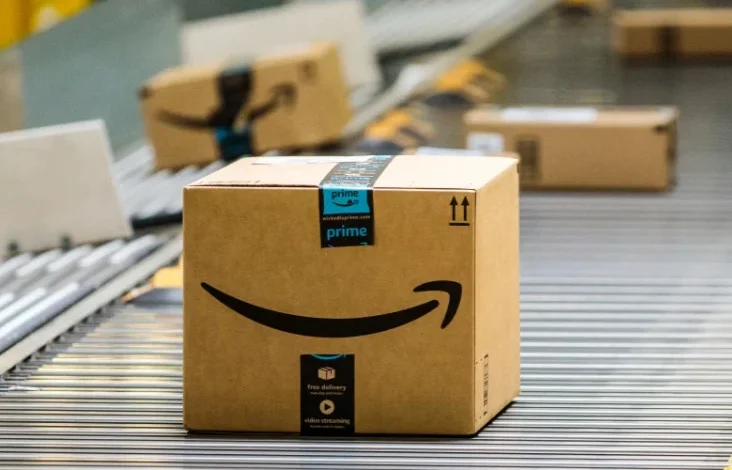
Amazon has officially announced the expansion of its FBA Returnless Resolutions program into the European theater, marking a significant shift in how third-party merchants operating within the Fulfilment by Amazon (FBA) ecosystem manage reverse logistics. The initiative, which allows customers to receive refunds for products without the obligation of returning the physical item, is now active across Amazon’s primary European marketplaces, including the United Kingdom, Germany, Italy, France, and Spain.
This rollout represents the culmination of a broader strategic effort by the e-commerce giant to address the ballooning costs associated with processing returns—a perennial challenge for online retailers that has only intensified in the post-pandemic era. By automating the decision-making process regarding whether an item is worth the logistical expense of recovery, Amazon aims to offer a more efficient, albeit complex, tool for its massive base of third-party sellers.
The Mechanics of FBA Returnless Resolutions
At its core, the FBA Returnless Resolutions program is designed to mitigate the "hidden" costs of e-commerce. When a customer initiates a return request, Amazon’s proprietary algorithm performs a real-time assessment to determine if the item qualifies for a "returnless" refund. This assessment is multifaceted, weighing the item’s retail value against the combined costs of return shipping, inspection, repacking, and potential re-warehousing.
Participating merchants are given a degree of control, allowing them to set a maximum price threshold for items eligible for the program, ranging from 1 to 75 euros. Sellers can opt to apply these parameters to their entire catalog or curate the selection at the Amazon Standard Identification Number (ASIN) level. This granularity is intended to help sellers protect high-margin or high-value inventory while offloading the logistical burden of low-value, high-churn goods.
However, the automated nature of the system means that the final decision rests with Amazon’s software. The criteria for approval go beyond simple price points; Amazon evaluates the customer’s historical return behavior, the specific product category, and the seller’s current account standing. To participate, sellers must maintain a "good standing" status, ensuring that the program is not exploited by accounts with high fraud indicators or poor operational metrics.
Chronology and Market Evolution
The journey of FBA Returnless Resolutions began on Amazon’s domestic turf in the United States, where it was piloted to address the sheer volume of low-cost items that were frequently deemed "unfulfillable" or "unsellable" once returned. In the U.S., the program quickly became a staple for sellers of inexpensive consumer packaged goods, beauty items, and basic household accessories.
For years, European sellers have viewed the U.S. implementation with a mixture of curiosity and demand, as logistics costs in the EU—particularly regarding cross-border shipping and complex VAT regulations—can often exceed those in the U.S. The launch this week represents the first time European merchants have had access to this specific automated framework, effectively bridging the operational gap between Amazon’s largest global markets.
Economic Context: The Cost of Returns
To understand the necessity of this program, one must look at the broader economics of the reverse supply chain. According to industry data, the cost of processing a return can often reach 20% to 30% of the product’s original selling price, or in some cases, exceed the value of the item entirely. This is particularly true for items under the 75-euro threshold mentioned in Amazon’s new guidelines.
In the retail industry, the "return rate" is often viewed as a key performance indicator (KPI) of operational health. In categories like apparel, electronics, and home goods, return rates can fluctuate between 15% and 30%. When items are returned, they must be transported back to a fulfillment center, inspected by staff, and either returned to stock, liquidated, or disposed of. For many low-cost items, the labor cost of inspection alone makes the product a net liability if it is returned.
By removing the return requirement, Amazon is effectively helping sellers bypass the "dead weight" of the reverse supply chain, allowing them to write off the inventory cost as a marketing or customer service expense rather than a logistical one.
The Impact on Seller Metrics and Policies
One of the most nuanced aspects of this program is how it interacts with Amazon’s seller performance metrics. Despite the customer keeping the item, the transaction is still officially classified as a "return" in the seller’s account metrics. This is a point of significant contention.
Under normal circumstances, a high volume of returns can negatively impact a seller’s account health, potentially leading to warnings or restrictions. However, Amazon has clarified that while these returnless resolutions still count toward the total return rate, the company will not apply its "high return rate fee" to these specific transactions. This distinction is critical; it shields sellers from the financial penalties of high return rates while still providing the data transparency needed to analyze product quality trends.
Challenges and Seller Criticism
Despite the potential for operational savings, the program has met with a skeptical reception from parts of the seller community. Critics argue that the policy could inadvertently incentivize return fraud. If a consumer knows they are likely to receive a refund without having to visit a post office or print a shipping label, the psychological barrier to returning an item is significantly lowered.
Furthermore, some merchants have raised concerns about the loss of inventory. While the item is technically a "loss," some sellers argue that even a returned item that is slightly damaged might be refurbished or sold via Amazon’s "Warehouse Deals" program. By essentially "giving away" the item to the customer, the seller loses any chance to recoup value through liquidation or secondary markets.
There is also the question of environmental impact. While avoiding return shipping reduces the carbon footprint associated with transport, the policy effectively encourages the disposal or abandonment of products that might otherwise have been repurposed. As sustainability becomes a core pillar of corporate governance in Europe, the optics of "disposable" consumer goods are under increased scrutiny.
Implications for the E-commerce Ecosystem
The introduction of FBA Returnless Resolutions in Europe signals a shift toward a more "automated" relationship between Amazon and its third-party partners. As the platform continues to scale, it is increasingly difficult for human managers to oversee the complexities of millions of individual returns. Relying on algorithms to determine the fate of inventory is a logical, albeit risky, step toward greater efficiency.
For the average consumer, this policy is likely to be viewed as a significant improvement in the user experience. The convenience of a refund without the hassle of a return is a powerful loyalty driver. For Amazon, which prides itself on being the world’s most customer-centric company, this move aligns with its broader strategy to minimize friction in the shopping process.
However, the long-term impact on the European retail landscape will depend on how accurately Amazon’s algorithms can predict which items are truly "not worth returning." If the threshold is set too high, sellers could see their margins erode due to unnecessary inventory loss. If it is too low, the program will fail to provide the intended logistical relief.
Conclusion
The expansion of FBA Returnless Resolutions into the UK, Germany, Italy, France, and Spain is a testament to the maturation of Amazon’s European fulfillment network. By providing a structured, data-driven approach to the "no-return" dilemma, Amazon is attempting to solve one of the most stubborn problems in e-commerce: the high cost of reversing a transaction.
As the program gains traction, it will likely become a standard tool for high-volume sellers. Whether it provides a net benefit to the seller community remains to be seen, as the trade-off between logistical savings and product loss is a delicate balance. For now, the rollout marks a significant milestone in the evolution of the FBA model, reflecting a clear prioritization of operational speed and customer convenience in an increasingly competitive digital marketplace. Moving forward, the industry will watch closely to see if other major marketplaces adopt similar policies or if sellers find ways to optimize their own internal return frameworks to compete with Amazon’s streamlined approach.