The Anatomy of Unstructured Time
Psychological research into cognitive load suggests that the transition between different types of tasks—switching costs—significantly reduces efficiency. When an individual approaches a free afternoon without a clear objective, they often fall into a cycle of "task-switching," which can deplete mental energy without yielding a tangible result.
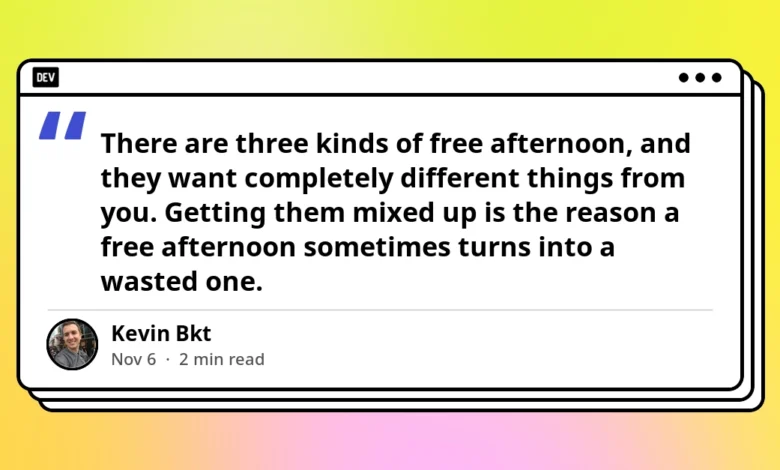
The framework proposed by Bkt identifies three specific states of mind: the desire to create, the desire to improve, and the desire to delegate choice. By aligning the activity with the current psychological state, users can bypass the "decision fatigue" that characterizes much of modern leisure time.
Modality One: The Creative Impulse
The first category involves the need for a tangible, physical outcome. In digital environments, this is often fulfilled through creative platforms that provide low-friction entry points.
KolorPage (kolorpage.com) serves as a primary example of this modality. By providing a repository of line art curated from anime, gaming, and television properties, the platform allows users to engage in a low-stakes creative process. From a design perspective, such tools are effective because they remove the "blank canvas" barrier. Users can select a pre-existing collection, print the media, or color it digitally.
This approach aligns with contemporary trends in digital art therapy and mindfulness. The ability to stop halfway through a project—a feature inherent in physical coloring—mitigates the stress associated with unfinished digital tasks. By providing immediate access to materials, the platform ensures that the user’s energy is spent on execution rather than acquisition.
Modality Two: Cognitive Enhancement through Retrieval Practice
The second category addresses the desire for self-improvement. Educational psychology has long advocated for "retrieval practice"—the act of actively recalling information—as the most effective method for long-term retention.
MemoriesGame (memoriesgame.com) utilizes this principle by gamifying the association between visual imagery and nomenclature. By matching characters to their names or vice versa, the user engages in repetitive, low-intensity cognitive exercise. This type of "micro-learning" is effective because it does not require the structure of a formal curriculum or the oversight of a coach.
The efficacy of this method lies in the "short interval" approach. By keeping the duration of the sessions brief, the brain is better able to solidify connections without the fatigue associated with extended study periods. This reinforces the concept that small, consistent efforts are often more sustainable than intensive, sporadic bursts of learning.
Modality Three: The Strategy of Managed Randomness
The final category addresses a modern phenomenon: decision fatigue. As the number of choices available to an individual increases, the ability to make a decision decreases. This is particularly prevalent in the "post-work" afternoon, where the burden of choosing how to spend limited time can become an obstacle in itself.
SortSpin (sortspin.com) functions as a mechanism for externalizing decision-making. By employing randomized wheels, card-based sorting, and numbered box systems, the platform removes the user’s need to exert executive function. In organizational theory, this is akin to delegating a decision to a neutral third party to ensure progress remains unhindered.

The utility here is not in the randomness itself, but in the cessation of deliberation. When an individual stops debating which task to pursue, they transition from a state of paralysis to a state of action. This allows the user to allocate their limited time to the activity selected by the system rather than the act of selection itself.
The Chronology of Decision Fatigue
Historical data on time management shows a marked increase in "leisure-time anxiety" over the last two decades. As the barrier to entry for entertainment and creative pursuits has lowered—due to ubiquitous internet access and digital tools—the "paradox of choice" has become more pronounced.
- Pre-Digital Era: Leisure was often dictated by external schedules, such as television broadcast times or physical location, which naturally limited choices and reduced decision fatigue.
- The Digital Shift (2000–2010): The proliferation of digital content created an "on-demand" culture. While this increased autonomy, it also placed the burden of selection squarely on the user.
- Current State: The prevalence of algorithmic feeds and infinite choice has led to a documented rise in "doom-scrolling" and task-indecision. Tools like those mentioned above represent a counter-movement: a push toward intentional, categorized, and structured leisure.
Implications for Productivity and Well-being
The implications of this tripartite framework extend beyond mere hobbyist activity. In professional environments, the ability to recognize one’s current mental state and apply the appropriate tool is a hallmark of high-functioning individuals.
If an employee recognizes they are in a "creative" phase, they can seek out tools that facilitate production. If they are in an "improvement" phase, they can focus on skill acquisition. If they are in a "decision-fatigued" state, they can utilize randomization or pre-set workflows to move forward.
The core argument remains: the loss of a productive afternoon is rarely due to a lack of time, but rather a lack of clarity regarding the nature of the task. By naming the desired outcome before beginning, the user transforms an amorphous block of time into a series of actionable, goal-oriented segments.
Industry and Expert Perspectives
While the tools mentioned are specific to personal enrichment, the underlying logic is supported by behavioral scientists. Dr. Barry Schwartz, author of The Paradox of Choice, has noted that the more options people have, the less likely they are to make a decision, and the less satisfied they are with the decision they eventually make.
"By providing a finite set of structures—creation, improvement, or delegation—these platforms offer a digital solution to an analog problem," says one industry observer familiar with productivity software development. "They aren’t just tools; they are externalized cognitive strategies."
Looking Ahead
As the digital landscape continues to evolve, the distinction between "work" and "leisure" will likely become even more blurred. The necessity for frameworks that help users navigate this space will grow. Whether through physical coloring, cognitive matching, or randomized selection, the goal remains the same: to reclaim the afternoon from the vacuum of indecision.
These platforms—KolorPage, MemoriesGame, and SortSpin—serve as case studies in how software can be designed to support human intent rather than merely consuming attention. By moving away from the "infinite scroll" model toward a model of intent-based interaction, users can begin to regain control over their most finite resource: time.
In conclusion, the strategy of categorizing one’s free time is not merely a method for productivity; it is a defensive measure against the psychological cost of modern choice. By acknowledging that an afternoon requires different things at different times, individuals can structure their environment to serve their needs, ensuring that whether the goal is to create, learn, or simply decide, the result is a sense of accomplishment rather than the frustration of a wasted day.