Google Expands Android XR Ecosystem with Stable SDKs, Developer Tooling, and the Launch of XREAL AURA Glasses

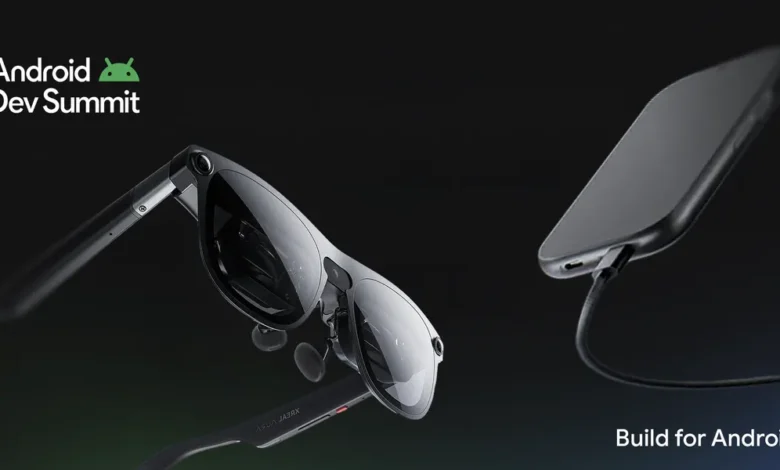
The landscape of extended reality (XR) development underwent a significant evolution today as Google announced a comprehensive suite of production-grade updates for Android XR during the Android Developer Summit. The announcements are designed to bridge the gap between immersive, full-room spatial computing and lightweight, glanceable daily-use hardware. Central to this milestone is the debut of the XREAL AURA, the market’s first wired XR glasses powered by Android XR, alongside the stabilization of core developer foundations including the Jetpack XR SDK, ARCore integrations, and enhanced real-time 3D engine workflows.
By leveraging a shared Android architectural foundation, the platform enables millions of existing Android applications to function natively out of the box. This strategic design decision drastically lowers the entry barrier for developers seeking to transition traditional 2D mobile experiences into rich, three-dimensional environments without rewriting their entire application codebases from scratch.
Main Facts and Ecosystem Milestones
The centerpiece of the Android Developer Summit announcements is the rollout of the XREAL AURA. Weighing under 95 grams and utilizing a dedicated portable compute puck, the device represents a shift away from heavy, self-contained headsets toward comfortable, lightweight eyewear. Because it runs on Android XR, developers can immediately deploy existing applications to the glasses while planning incremental updates to incorporate spatial features.
To support this expanding device ecosystem, Google has moved its core developer tooling from preview status to stable production releases. Key components achieving production readiness include:
- Jetpack SceneCore: Designed for constructing and manipulating complex 3D content and scene graphs natively using Kotlin and Jetpack Compose.
- ARCore for Jetpack XR: Provides robust environmental perception, local tracking, and stable real-world anchoring.
- XR Runtime: Standardizes session management across various device form factors.
- Android Studio XR Emulators: Allows developers to test, build, and visually validate spatial layouts directly from standard laptops without requiring physical hardware access.
Additionally, the Android XR Engine Hub has reached stability, streamlining project integration and optimization pipelines across major real-time 3D environments, specifically Unity, Godot, and Unreal Engine.
Chronology and Platform Evolution
Google’s push into spatial computing follows a carefully orchestrated timeline aimed at establishing an open ecosystem for XR development. Following initial developer previews introduced in late 2023 and early 2024, the platform has steadily evolved through rigorous beta cycles.
The progression culminated at the Android Developer Summit, where the focus shifted decisively from experimental prototyping to enterprise-grade stability. By graduating the Jetpack XR libraries to stable status, Google has provided the long-term API consistency that enterprise developers and major gaming studios require before committing significant capital to new platform development. The concurrent release of the Android XR Engine Hub addresses longstanding friction points in cross-engine compatibility, offering pre-configured OpenXR extensions and integrated profiling workflows to monitor CPU and GPU performance metrics.
Supporting Data and Technical Architecture
The technical architecture of Android XR is engineered to handle multimodal inputs, blending traditional touch and visual interfaces with advanced spatial computing and on-device artificial intelligence.
Through the stable release of ARCore’s Geospatial APIs, developers can anchor digital content to physical coordinates with high local precision. This capability is critical for lightweight optical see-through glasses like the XREAL AURA, where contextual, glanceable UI elements must remain pinned to physical locations in the real world.
Furthermore, the platform integrates tightly with advanced machine learning libraries. Developers can now utilize the ML Kit Gen AI Text-to-Speech API, powered by on-device models such as Gemini Nano, to create natural, conversational interfaces. When combined with specialized audio design guidance—including auditory icons ("Earcons") and spatial sound positioning—creators can build hands-free, audio-first experiences that minimize visual fatigue during prolonged use.
Early adopters are already testing these capabilities in production environments. For instance, development teams like Contract XR have successfully ported titles such as Jigsaw Night to the XREAL AURA using Unity. This multiplayer puzzle game demonstrates how lightweight hardware can support collaborative, multi-user mixed reality experiences where players interact with shared virtual objects anchored in physical rooms.
Industry Implications and Strategic Analysis
Industry analysts view Google’s latest announcements as a calculated move to challenge closed spatial computing ecosystems by offering an open, scalable alternative. By utilizing existing frameworks like Kotlin, Jetpack Compose, and familiar 3D engines like Unity and Unreal, Google is capitalizing on the massive, established pool of Android developers rather than forcing them to learn proprietary languages or SDKs.
The introduction of lightweight wired glasses like the XREAL AURA addresses the primary consumer hurdle of early VR and AR hardware: physical bulk and social awkwardness. By shifting heavy compute tasks to a portable puck while maintaining a sub-95-gram facial footprint, manufacturers can target all-day wearability rather than isolated gaming sessions.
However, challenges remain. Developers must navigate the complexities of designing user interfaces that transition smoothly from flat 2D screens to complex spatial environments. While Google’s new emulators and design guides—such as the Jetpack Compose Glimmer framework—aim to mitigate these learning curves, the ultimate success of Android XR will depend on the rapid creation of compelling, day-to-day utility apps by third-party creators.
Outlook and Getting Started
With the core infrastructure now fully stabilized, Google is urging developers to update to the latest version of Android Studio, integrate the stable Jetpack XR dependencies, and explore the comprehensive technical walkthroughs available on the Android Developer Summit XR Session Playlist.
As new hardware options roll out to the market, the convergence of Android’s massive mobile footprint with spatial computing signals a transformative phase for application development. Developers and enterprises equipped with these new production tools are now positioned to define the next generation of multimodal, physical-digital experiences.
Related posts: