Chat sama Customer Service yang Begini Cuma Bikin Emosi dan Ngakak Bersamaan


Recent compilations surfacing from online communities such as Bored Panda have shed light on a growing phenomenon: the "Customer Service Fails." These exchanges, often characterized by repetitive robotic responses, tone-deaf automated scripts, and a complete lack of human empathy, have become a focal point of public discourse regarding the quality of contemporary support services.
The Evolution of Customer Support in the Digital Age
Historically, customer service relied on human-to-human communication. Whether through a telephone call or a face-to-face interaction, the agent was empowered to assess a situation, exercise empathy, and provide a tailored resolution. However, as global companies scaled, the demand for 24/7 coverage necessitated a shift toward automation.
By 2025, industry reports indicated that over 70% of customer support interactions were initiated through automated channels. This transition was driven by a need to manage millions of concurrent queries, which human teams simply could not handle. Yet, as evidenced by numerous viral screenshots, this shift has come at a cost. When a customer attempts to resolve a complex, emotional, or time-sensitive issue, they are frequently met with rigid algorithms that fail to recognize nuance.
Case Studies in Communication Breakdown
The documented instances of support failures reveal several recurring themes in communication errors.
The Time-Gap Paradox
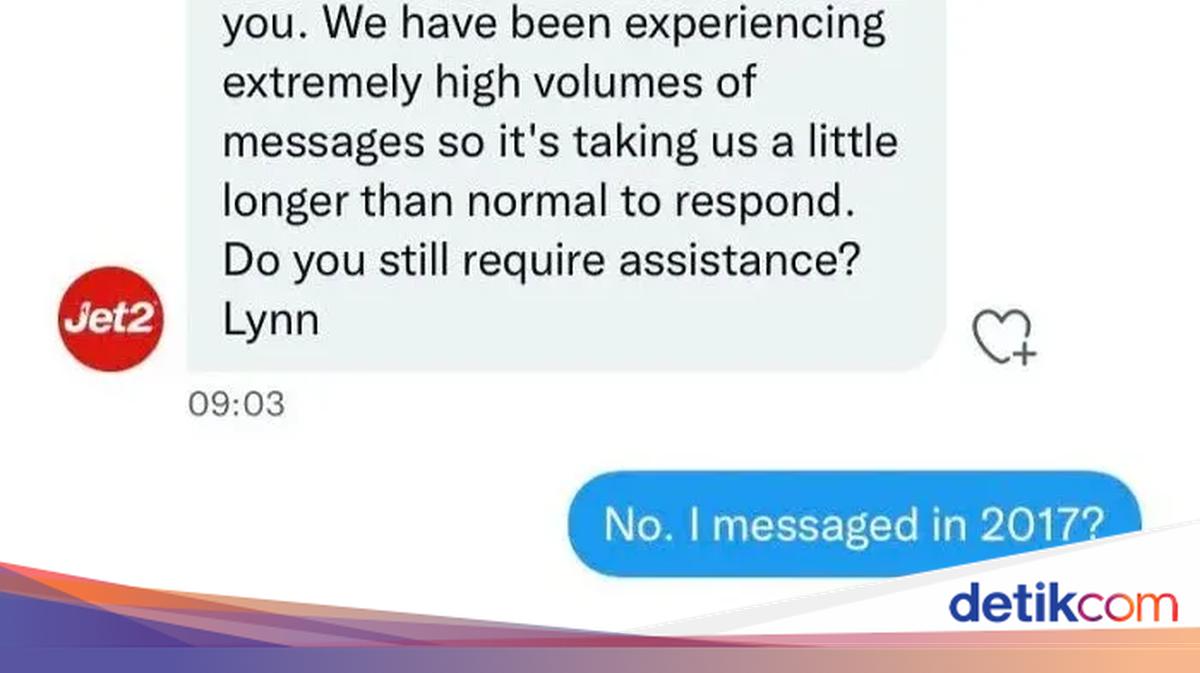
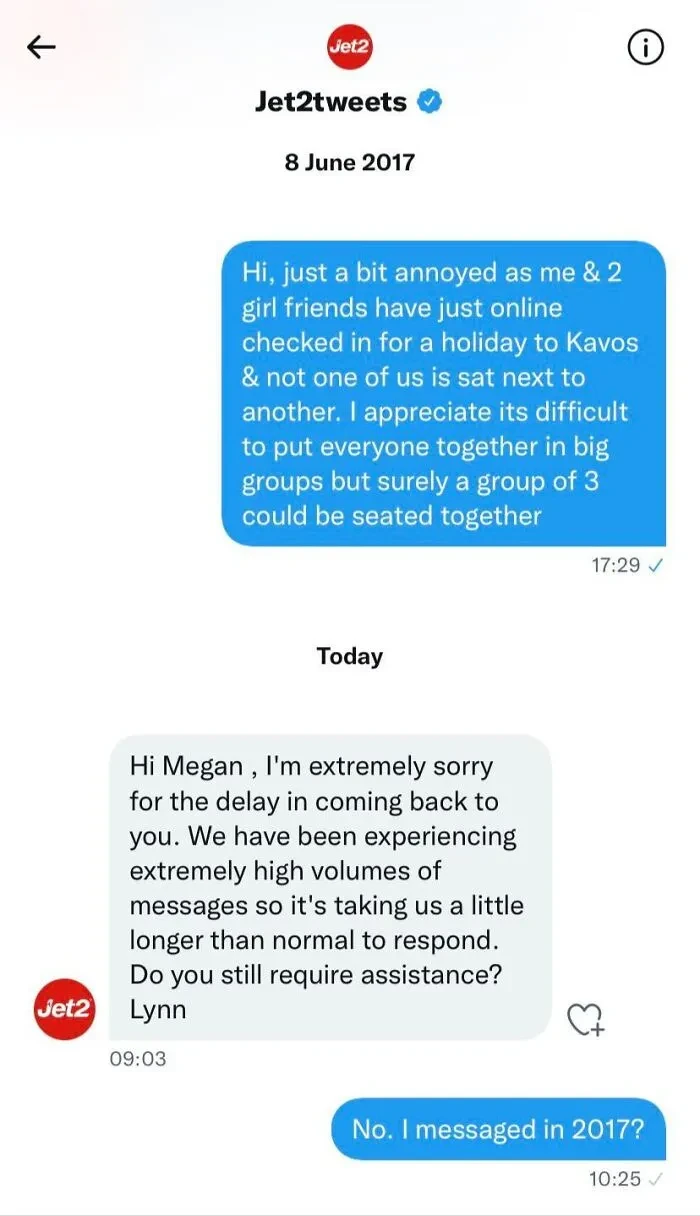
One of the most frequently cited frustrations involves the disparity in response times. Customers often report situations where a support agent—or an automated script—demands a near-instantaneous response from the user, threatening to close the chat session if a reply is not received within 60 seconds. Ironically, that same agent or system may take upwards of five to ten minutes to provide a singular, often unhelpful, line of text. This "asymmetric urgency" creates a power imbalance that exacerbates user stress.
The Failure of Empathy
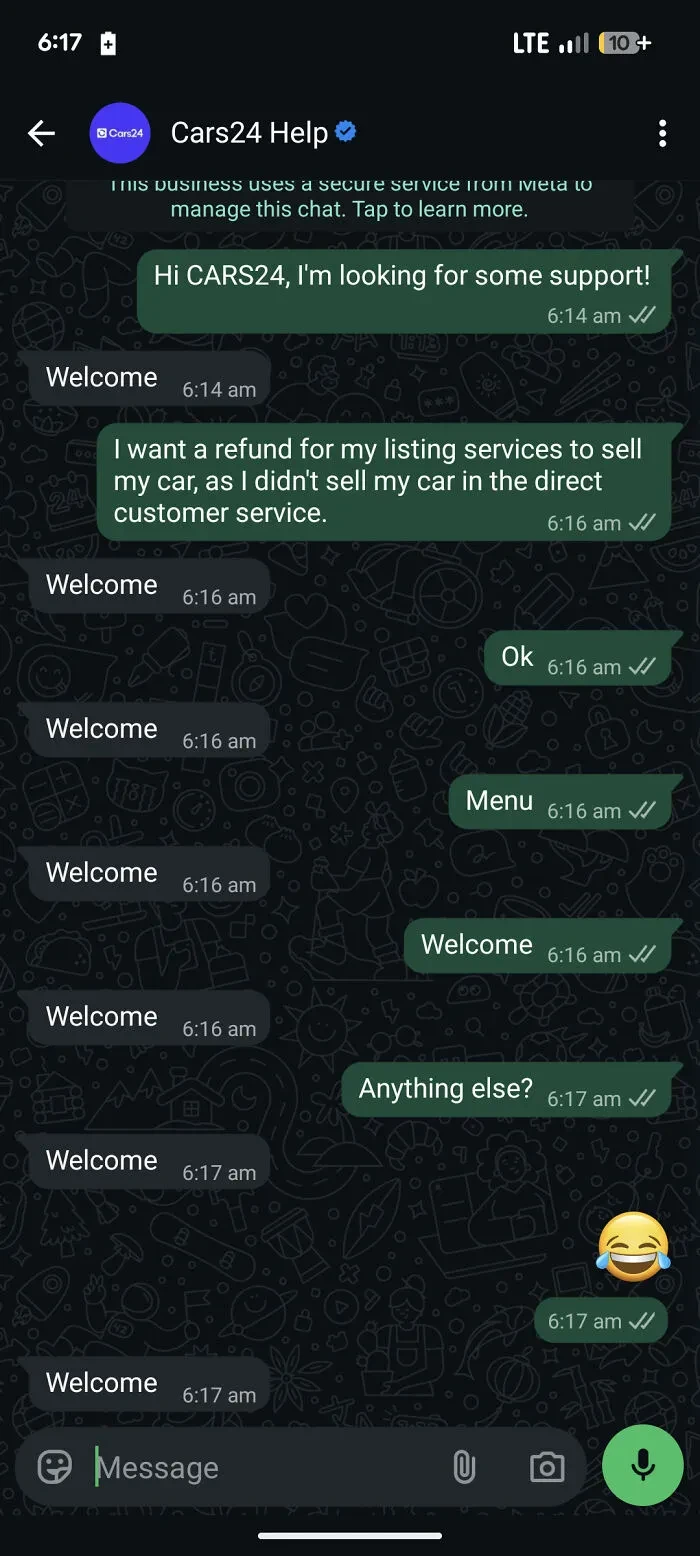
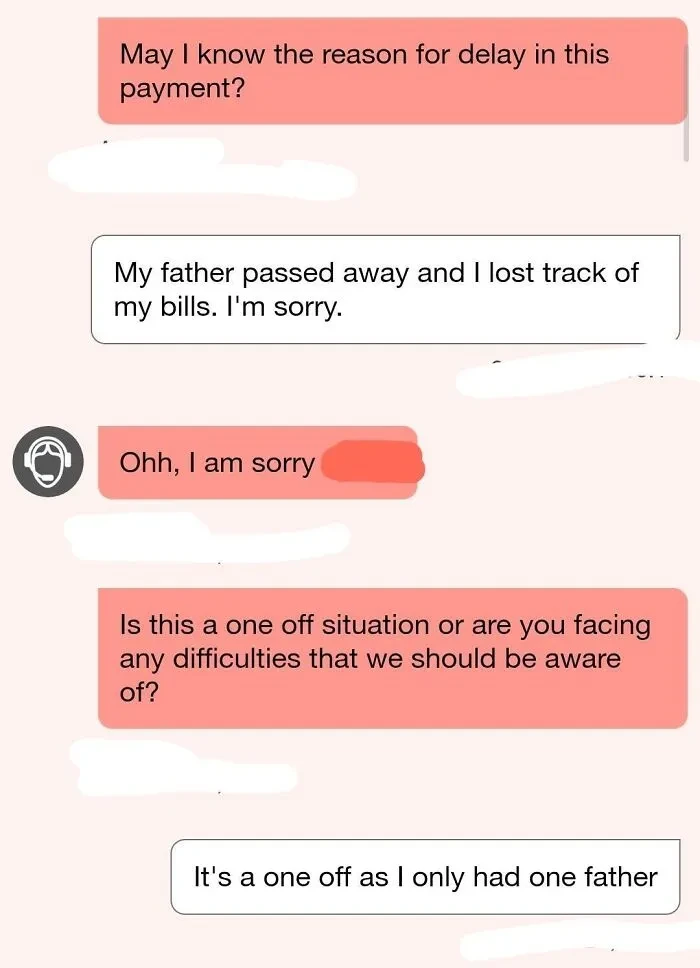
Perhaps the most egregious errors occur during sensitive interactions. In instances where customers are reporting tragic life events—such as the passing of a family member—the lack of human-centric programming becomes painfully apparent. When a chatbot or a distracted agent responds with a generic "Welcome" or a standard, scripted greeting, it serves as a stark reminder of the cold, mechanical nature of modern CRM (Customer Relationship Management) platforms. These interactions do not just fail to solve a problem; they actively degrade the relationship between the brand and the consumer.
The Logical Loop
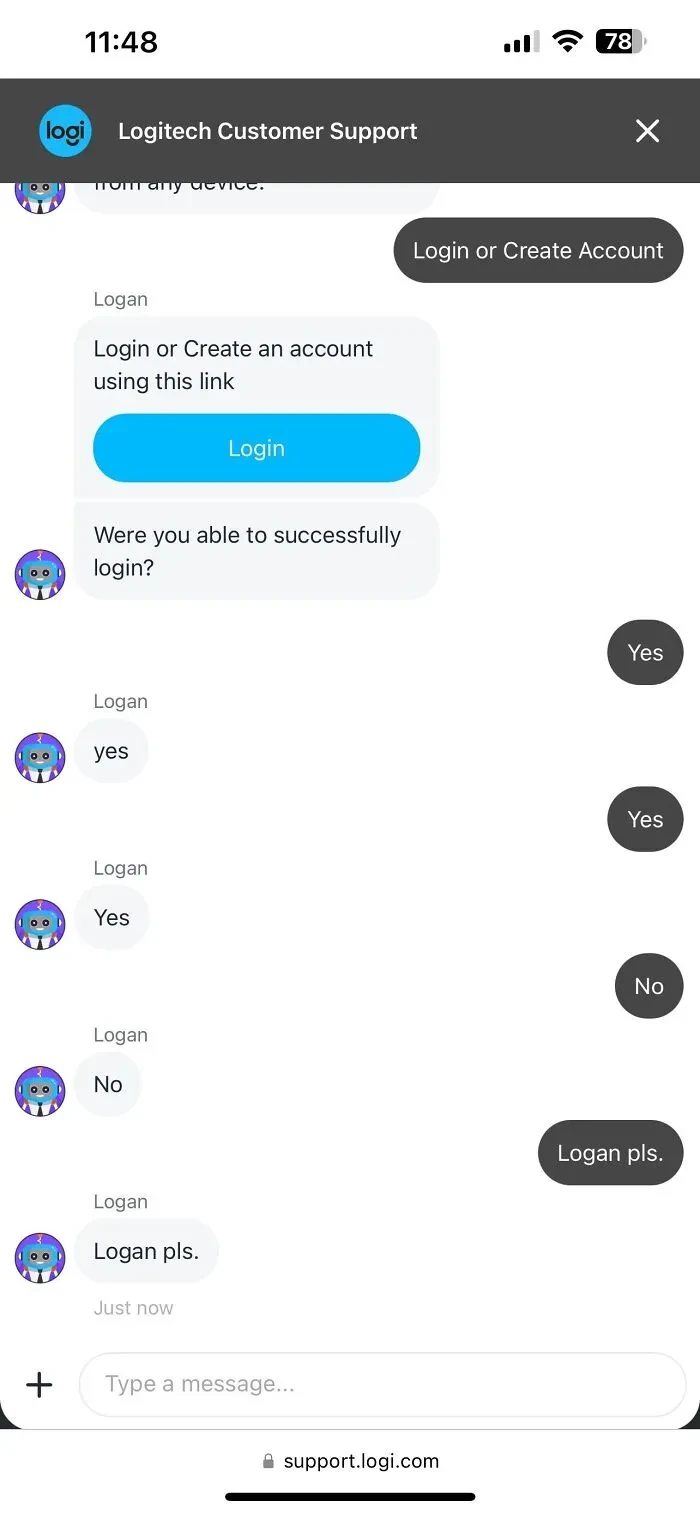
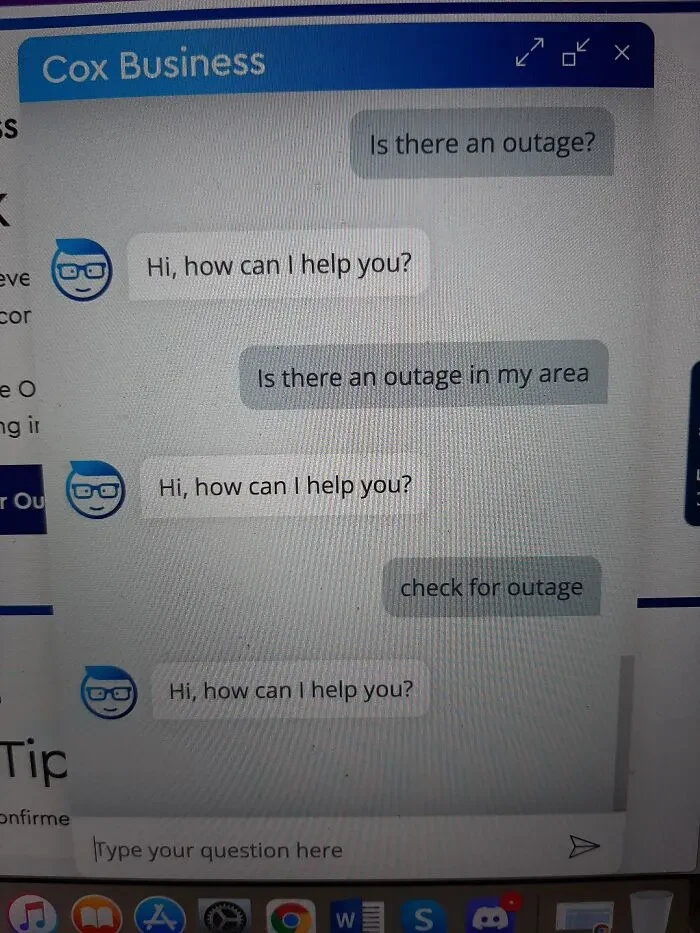
Another persistent issue is the "infinite loop" of unhelpful guidance. Many systems are programmed to offer "solutions" that are either outdated or irrelevant. For example, a customer seeking a refund for a long-standing issue might be directed to a troubleshooting guide for a "machine time" error or an irrelevant technical fix. These interactions suggest that while the technology is advanced, the data sets feeding these systems are often disorganized or poorly maintained.

Data and Industry Trends
Market research suggests that customer frustration is not merely anecdotal. According to the 2024 Global Customer Experience Report, satisfaction levels with automated chat systems have declined by approximately 14% over the past three years. The primary driver for this decline is not the speed of the service, but the "resolution rate." Consumers are increasingly finding that while they get an answer quickly, they do not get the correct answer.
The financial implications for companies are significant. Research from the Harvard Business Review indicates that high-friction support experiences lead to a 20% increase in customer churn. When a user feels unheard or mocked by a faulty system, their brand loyalty evaporates. Despite this, companies continue to prioritize automation to cut overhead costs. The trade-off between human resource expenditure and automated efficiency remains a central conflict in modern corporate strategy.
The Human Element: When Bots Fall Short
Why do these interactions go so wrong? The answer lies in the intersection of low-level AI and high-pressure work environments. Many outsourced support centers operate on strict Key Performance Indicators (KPIs). Agents are often measured by "Average Handle Time" (AHT). Under the pressure to resolve as many tickets as possible, the quality of the interaction is often sacrificed.
When a customer encounters a response that seems like a "glitch" or a sarcastic remark, it is frequently the result of an agent attempting to juggle multiple chat windows simultaneously. The result is a fragmented conversation where the agent loses track of the context, leading to responses that seem completely detached from the user’s inquiry.

The Psychological Impact of Robotic Interactions
From a psychological perspective, these interactions can lead to "learned helplessness." When a user expects to be met with a wall of bureaucracy or an unthinking bot, their approach to customer service becomes increasingly aggressive. This creates a negative feedback loop: the customer arrives angry, the agent responds defensively or robotically, and the escalation continues.
Furthermore, the "uncanny valley" effect—where a chatbot tries to act human but fails—can induce irritation. A system that uses emojis or overly cheerful, forced language in the middle of a serious complaint can feel condescending to the user.
Looking Forward: The Need for Human-Centric AI
The solution, according to digital transformation experts, is not to eliminate automation, but to implement "Human-in-the-Loop" (HITL) systems. This model uses AI to handle simple, repetitive tasks while ensuring that complex, emotionally charged, or high-value inquiries are seamlessly routed to trained human professionals.
Companies that prioritize "Empathetic AI"—systems trained to recognize sentiment and adjust their tone accordingly—are already seeing higher satisfaction scores. However, the industry has a long way to go. Until organizations bridge the gap between efficiency and human dignity, the internet will continue to serve as a repository for these bizarre, frustrating, and unintentionally hilarious transcripts.
Conclusion
The evolution of customer service is a microcosm of the broader digital transformation. While we have gained unprecedented speed and 24/7 availability, we have lost the nuanced touch of human connection. The viral stories of mismatched, nonsensical, and tone-deaf chat sessions serve as a necessary critique of current corporate practices. For businesses, these errors are not just funny anecdotes to be ignored; they are warnings that the drive for efficiency must not come at the expense of the customer’s experience. As technology continues to advance, the brands that succeed will be those that learn to balance the power of the machine with the irreplaceable quality of human empathy.
Moving forward, the focus must shift from merely "closing tickets" to "solving problems." Until that shift is realized, customers will likely continue to face the paradoxical experience of feeling both annoyed by the lack of support and amused by the absurdity of the digital response. The future of customer service is not about choosing between humans or machines, but about integrating both in a way that respects the time, intelligence, and emotions of the consumer.