The
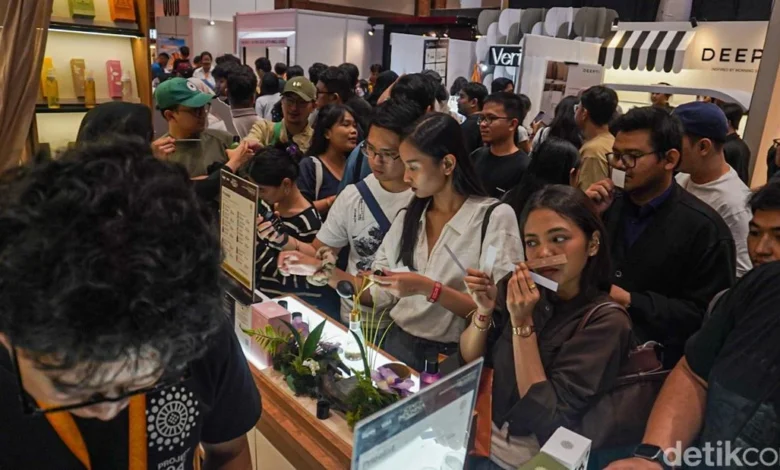
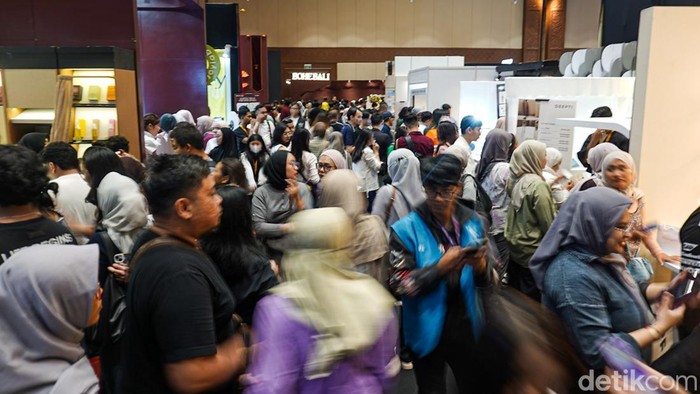
Indonesian domestic fragrance industry reached a significant milestone over the weekend as the Jakarta International Convention Center (JICC) in Senayan played host to "Scent of Indonesia," a premier exhibition dedicated exclusively to homegrown perfumery. Held on Saturday, November 7, 2026, and led by a massive convergence of industry players, the event shattered previous records for local beauty exhibitions by bringing together over 90 distinct local perfume brands. The exhibition hall buzzed with energy as thousands of fragrance enthusiasts, beauty industry experts, and curious consumers flocked to explore, test, and purchase innovative scent creations crafted entirely by Indonesian noses and laboratories.
The successful turnout underscores a profound paradigm shift in consumer behavior within Southeast Asia’s largest economy. For decades, the nation’s prestige fragrance market was dominated by legacy houses from Europe, the Middle East, and the United States. However, the rise of independent local creators, armed with sophisticated formulation techniques, localized storytelling, and competitive pricing, has fundamentally altered the landscape. "Scent of Indonesia" served not merely as a marketplace, but as a cultural and economic showcase demonstrating how far domestic perfumery has evolved in quality, presentation, and brand identity.
A Sensory Journey on the Exhibition Floor
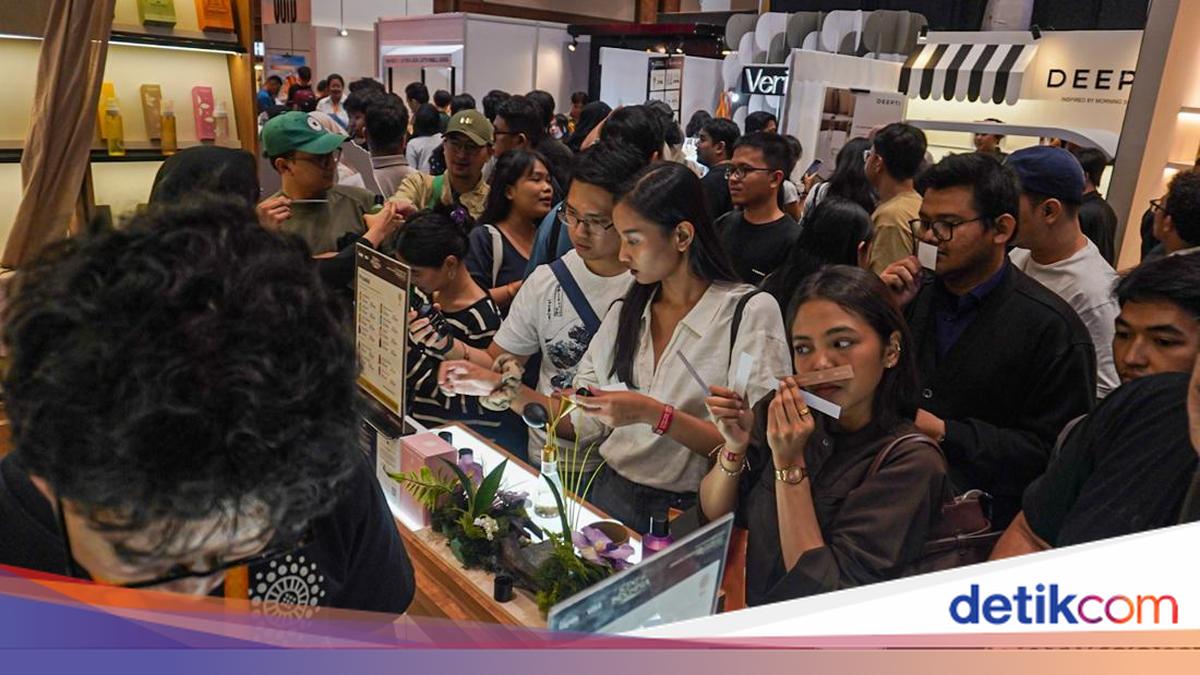
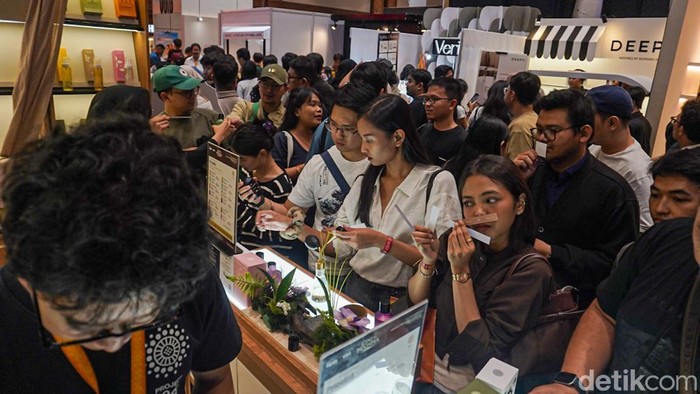
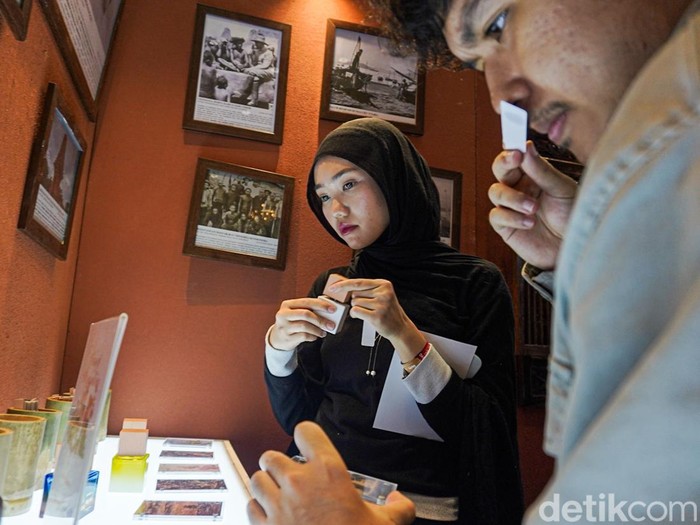
From the moment doors opened on Saturday morning, the atmosphere inside the JICC exhibition halls was charged with olfactory excitement. Visitors moved methodically from booth to booth, engaging in the quintessential fragrance-testing ritual. Armed with paper blotters, attendees eagerly inhaled various notes—ranging from rich Indonesian oud, patchouli, and tropical florals to crisp aquatic accords and complex gourmand blends—to decipher the unique character of each creation. The constant rustle of testing strips and animated discussions between brand founders and consumers created an immersive sensory environment that spanned the entire venue.
Exhibitors spared no effort in transforming their allocated spaces into compelling visual narratives. Recognizing that a perfume is as much about aesthetics and emotion as it is about scent, every brand poured meticulous detail into its booth design and packaging architecture. Rows of vibrant, multi-colored perfume bottles lined display tables, immediately capturing the attention of passersby and serving as prime backdrops for social media content.
Diversity in Presentation and Design
The architectural and interior design choices employed by the participating brands reflected a fascinating dichotomy between modern luxury and traditional heritage. Several prominent local labels opted for minimalist, high-end aesthetics, displaying heavy glass bottles with geometric silhouettes inside sleek acrylic illuminated showcases. These displays exuded a sophisticated urban elegance that rivaled international department store standards, signaling the maturation of Indonesia’s indie beauty sector.
Conversely, other brands embraced their cultural roots by incorporating indigenous elements into their presentation. One notable booth utilized natural, curved segments of traditional bamboo as rustic yet elegant holders for testing strips, infusing a strong sense of Indonesian identity into the modern retail experience. This fusion of contemporary perfumery techniques with localized storytelling proved to be a major crowd-puller, offering consumers a deeper emotional connection to the products they were sampling.
Chronology and Background of the Movement
The genesis of the "Scent of Indonesia" exhibition can be traced back to the post-pandemic boom of the Indonesian independent beauty and personal care sector. Between 2021 and 2025, the country witnessed an explosion of direct-to-consumer (DTC) beauty brands, catalyzed by social media platforms such as TikTok, Instagram, and various e-commerce ecosystems. While skincare and cosmetics initially led this charge, the fragrance category quietly cultivated a fiercely loyal subculture of scent collectors.
Early pioneers in the local perfume space began formulating alcohol-based and oil-based scents that could withstand Indonesia’s tropical climate—a crucial technical advantage over many imported formulations that tended to evaporate or shift quickly in high humidity. By late 2025, industry stakeholders recognized the need for a unified platform to consolidate these fragmented indie successes into a cohesive movement. Preparations for the JICC exhibition began months in advance, culminating in the historic November 2026 showcase that brought over 90 brands under one roof for the first time on such a grand scale.
Economic Implications and Industry Analysis
Market analysts observing the event note that the overwhelming public response at Scent of Indonesia is indicative of a broader macroeconomic trend: the strengthening of national pride and economic nationalism among Indonesia’s burgeoning middle class. Consumers are increasingly willing to invest their disposable income in domestic products, provided the quality matches or exceeds international alternatives.
Furthermore, the perfume industry operates on high profit margins and relies heavily on intellectual property, creative direction, and localized supply chains. The success of these 90-plus brands has a cascading positive effect on upstream sectors. Local farmers producing essential oils—such as patchouli (nilam), vetiver, and various citrus extracts—stand to benefit from the rising demand for homegrown raw materials. Additionally, domestic packaging manufacturers, glassblowers, and graphic designers are finding lucrative partnerships within the booming fragrance ecosystem.
Industry experts project that if current growth trajectories hold, the domestic perfume sector could capture a significantly larger share of Indonesia’s total fragrance market over the next five years. Events like Scent of Indonesia act as crucial accelerators, providing indie brands with the B2B networking opportunities and direct consumer feedback necessary to scale operations toward regional and eventually global export markets.
Future Outlook for Indonesian Perfumery
As the lights dimmed at the Jakarta International Convention Center on Saturday evening, founders and organizers alike reflected on a triumphant day that exceeded all expectations. The sheer volume of foot traffic and the palpable enthusiasm of the attendees proved that local perfumery is no longer a niche curiosity, but a formidable commercial force.
Plans are already underway to institutionalize "Scent of Indonesia" as an annual calendar fixture, with organizers hinting at potential expansions to include international buyers, workshops on raw material extraction, and masterclasses led by master perfumers. For the thousands who walked the exhibition floor clutching bags of newly purchased artisanal scents, the event was more than just a shopping trip—it was a sensory declaration that the future of fragrance in Indonesia is boldly, beautifully local.
Related posts: