Huawei Watch D3 Debuts as a Revolutionary Fitness and Health Companion with Advanced Blood Pressure Monitoring and Ultra-Slim Design

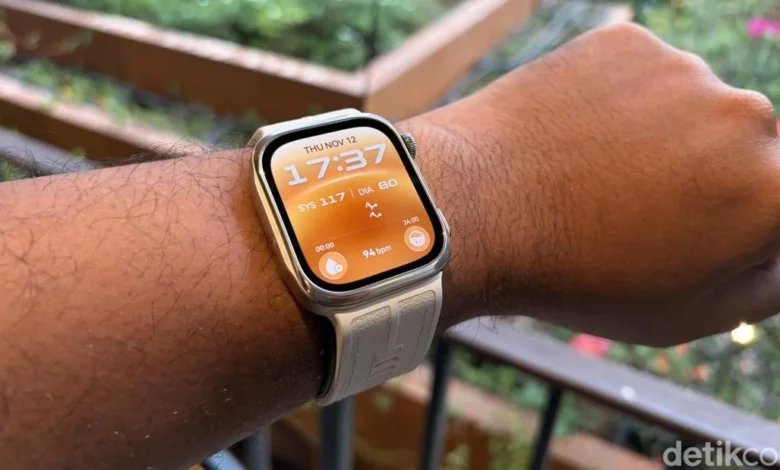
The evolution of wearable technology has reached a significant milestone with the launch of the Huawei Watch D3, a device that seamlessly integrates medical-grade health monitoring with a sophisticated, athletic-focused ecosystem. While the predecessor series established Huawei as a leader in wrist-based blood pressure measurement, the D3 iteration shifts the narrative toward a holistic lifestyle approach, offering a refined design that is 15 percent thinner than its predecessor. Priced at Rp 6,999,000 for the Indonesian market, this launch represents a strategic push by Huawei to dominate the premium health-tech sector by blending clinical accuracy with high-performance sports tracking.
The Technological Leap: From Clinical Tool to Lifestyle Companion
Historically, smartwatches capable of precise blood pressure monitoring were often criticized for their bulky form factors, which prioritized internal air pumps and sensors over ergonomics. The Huawei Watch D3 breaks this paradigm by reducing its chassis thickness to 11.3 mm, down from the 13.3 mm profile of the previous model. This reduction is not merely aesthetic; it is a critical engineering feat that allows users to wear the device comfortably during high-intensity activities, such as weightlifting or long-distance running, without the device feeling obtrusive.
At its core, the device remains a powerhouse for health metrics. The integration of "Pre- & Post-Exercise Blood Pressure Measurement" marks a world-first in the consumer wearable space. By allowing users to track how their blood pressure reacts to physical exertion, Huawei is providing actionable data that can help athletes avoid cardiovascular overexertion. This feature is supported by a robust suite of sensors that feed into the Huawei Health ecosystem, which processes the data to provide deep insights into heart rate variability (HRV), emotional well-being, and sleep architecture.
Comprehensive Fitness Tracking and the Rise of Niche Sports Integration
The modern user’s definition of fitness is increasingly broad, ranging from professional-level training to recreational activities. Recognizing this, Huawei has expanded the D3’s repertoire to include over 100 dedicated sports modes. This move aligns with the growing consumer trend toward "lifestyle fitness," where users demand devices that can transition seamlessly from the office to the gym and finally to weekend outdoor pursuits like trekking or cycling.
Perhaps the most significant addition for a specific user demographic is the inclusion of the Advanced Golf Mode and Golf Course Mode. In many Asian and global markets, golf has seen a resurgence in popularity among young professionals. By incorporating specialized data points—such as swing analysis metrics, distance-to-pin calculations, and course mapping—Huawei is effectively competing with dedicated golf GPS watches. This diversification allows the D3 to capture a market segment that values high-end technology not just for health, but for the optimization of their hobbies.
Visual Clarity and Outdoor Performance
In the world of outdoor sports, display performance is non-negotiable. The Huawei Watch D3 features a 1.92-inch display that boasts a peak brightness of 3,000 nits. To put this into perspective, most high-end smartphones peak between 1,500 and 2,500 nits. This level of luminosity ensures that when a user is on a mountain trail or a bright golf course, all critical metrics—be it heart rate zones or GPS mapping—are legible even under direct, harsh sunlight. This attention to detail demonstrates Huawei’s focus on the "prosumer" athlete who requires reliability in challenging environmental conditions.
Market Context and Economic Implications
The release of the Huawei Watch D3 in Indonesia follows a global trend of increasing expenditure on preventative health technology. As post-pandemic awareness of health monitoring grows, consumers are shifting from simple step-counting devices to medical-grade wearables. Market analysts suggest that the premium segment of the smartwatch industry is currently the most resilient, as consumers are willing to pay a higher price point for devices that offer tangible clinical value.
The pricing strategy for the D3 is calibrated to reflect its position as a "pro-grade" device. By including a comprehensive launch package worth approximately Rp 1.7 million—comprising an extended warranty, a "Worry Free" care package, and a subscription to Huawei Health+—the company is attempting to lower the barrier to entry for potential buyers who might be hesitant about the upfront cost. This bundle not only adds value but also encourages long-term engagement with the Huawei Health ecosystem, which is essential for user retention in the competitive wearable market.
Chronology of Development and Availability
The path to the D3’s release has been characterized by iterative refinement. Following the initial success of the original Watch D, which proved that an inflatable bladder could fit inside a wristwatch, Huawei spent years miniaturizing the components. The development phase focused heavily on battery life optimization and sensor accuracy, ensuring that the blood pressure readings remained compliant with international medical standards despite the 15 percent reduction in size.
The device officially hit the Indonesian market on November 19, 2026, with an availability window spanning until December 18, 2026. This one-month launch period is designed to capitalize on end-of-year shopping trends. The availability of three distinct finishes—Mocha Gold, Gold, and Black—indicates a dual-pronged marketing approach: appealing to the luxury watch enthusiast and the performance-oriented athlete simultaneously.
The Role of Huawei Health Ecosystem
The hardware is only as effective as the software that interprets the data. The Huawei Health app serves as the centralized hub for the D3. It is here that the "Enhanced Health Glance" and "Health Insights" features reside. These algorithms look for patterns in the data, such as a drop in HRV combined with poor sleep quality, to warn users of potential burnout or stress. By presenting this data in a user-friendly dashboard, Huawei aims to bridge the gap between complex medical telemetry and actionable lifestyle advice.
Furthermore, the cross-platform compatibility with both Android and iOS ensures that the D3 does not trap users within a walled garden. This inclusivity is a smart tactical move, as it expands the potential customer base to include iPhone users who may be dissatisfied with the battery life or the lack of specialized blood pressure monitoring on their current devices.
Industry Impact and Future Outlook
The entry of the Huawei Watch D3 into the market forces other manufacturers to reconsider their product roadmaps. With the benchmark for "medical-grade" set higher by this device, competitors will likely face pressure to integrate similar blood pressure or advanced biometric sensors into their upcoming lineups.
However, the primary challenge for Huawei will be maintaining user trust in the accuracy of these readings. As with all health-focused wearables, the device is marketed as a tool for wellness and monitoring rather than a replacement for professional medical diagnosis. The success of the D3 will depend heavily on the company’s ability to communicate these boundaries clearly to the public while providing consistent, reliable data that users can rely on for their daily fitness management.
In conclusion, the Huawei Watch D3 is more than a simple upgrade; it is a synthesis of medical technology and consumer electronics. By focusing on a slimmer design, better outdoor visibility, and specialized features for sports like golf, Huawei has created a device that is as capable on the golf course as it is in a medical setting. As the wearable industry continues to converge with the healthcare sector, the D3 serves as a clear indication of where the future of personal wellness technology is headed: toward more compact, more powerful, and more integrated solutions that empower individuals to take charge of their own health data. Whether it succeeds in becoming the definitive standard for health-conscious consumers will be determined in the coming quarters, but for now, it stands as a formidable player in the high-end wearable market.