Google Play Announces New Quality Requirements and Storefront Standards for Foldable Devices and Large Screens

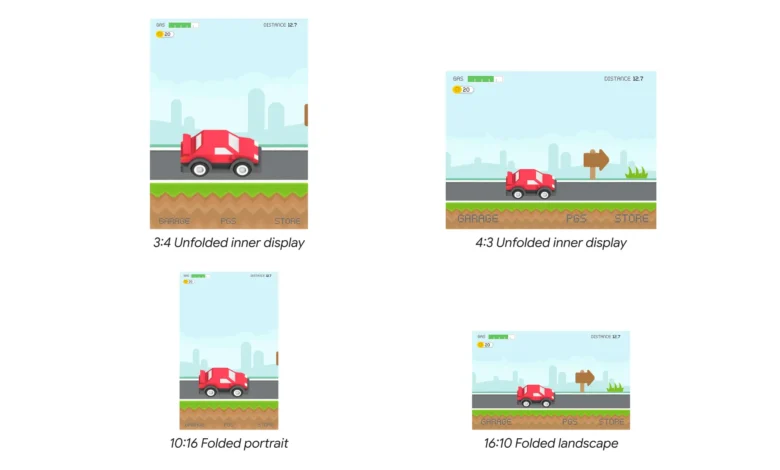
The rapid evolution of the mobile hardware landscape has fundamentally transformed how consumers interact with digital entertainment, pushing developers to rethink software design across an expanding array of form factors. As foldable smartphones transition from early-adopter novelties into mainstream consumer devices, mobile operating systems must adapt to provide consistent, high-performance environments. Recognizing this shift, Google Play has announced a comprehensive set of new quality guidelines and mandatory store listing requirements tailored specifically to foldables and large-screen Android devices. These updates are designed to ensure that mobile games deliver uninterrupted, visually cohesive experiences regardless of whether a user is playing on a compact outer screen or an expansive, tablet-sized inner display.
The modern mobile gaming audience increasingly expects hardware versatility. Foldable devices present a unique engineering proposition, offering users two distinct modes of interaction within a single piece of hardware: a pocket-sized form factor optimized for quick, one-handed, on-the-go sessions, and an unfolded, tablet-class canvas that provides immersive, expansive views. However, this flexibility introduces technical hurdles. Historically, transitioning an application between different screen geometries often triggered forced activity restarts, resulting in frustrating mid-session interruptions, lost level progression, or stretched and distorted user interfaces.
Google’s latest initiative aims to eliminate these friction points by establishing clear performance benchmarks. Modern game development engines, such as Unity and Unreal, have increasingly incorporated robust native resizing and configuration-change handling mechanisms. By partnering closely with these major engine providers, Google has worked to ensure that foundational support for dynamic layouts is readily accessible to developers, allowing game environments to scale gracefully across varied screen orientations and aspect ratios without requiring exhaustive custom code implementations from scratch.
Establishing Quality Tiers for Large Screens
To guide developers through the transition toward universally adaptable software, Google Play is introducing a structured tier system for large-screen and foldable game quality. These guidelines evaluate how effectively a game utilizes game engines, manages in-game viewports, and handles touch controls across unfolded foldables and tablets.

The framework is categorized into three progressive tiers, moving from basic operational readiness up to advanced performance optimization and visual differentiation. The baseline standard, designated as Tier 3 (Ready), establishes the minimum threshold for layout stability, continuity during posture changes, and core responsiveness on large displays.
Beginning in August 2027, meeting at least the Tier 3 baseline will become a mandatory prerequisite for games distributed through the Google Play Store. This policy shift marks a pivotal moment in Android ecosystem development, signaling that large-screen optimization is moving from a recommended best practice to a fundamental requirement for platform compliance. By enforcing these standards, Google seeks to protect consumer experience quality, ensuring that users investing in premium foldable hardware encounter software that fully leverages their device’s capabilities.
Evolving Storefront Presentation Standards
In tandem with technical quality requirements, Google Play is reshaping how games are marketed and discovered on the platform. Visual presentation plays a critical role in consumer purchasing decisions, yet traditional store listings have historically relied almost exclusively on standard smartphone screenshots. This limitation often left prospective buyers uncertain about how a game would perform or appear on larger displays.
To address this transparency gap, Google Play Console now supports dedicated foldable screenshots, allowing developers to highlight their software’s large-screen compatibility directly on their product detail pages. This capability enables studios to showcase both unfolded inner displays and folded outer screens, illustrating how layouts adapt to different postures.
The voluntary availability of these upload tools is being followed by a firm enforcement timeline. Starting in April 2027, developers will be required to provide a minimum of three foldable screenshots alongside the standard smartphone screenshot in their game’s primary orientation. This submission mandate will apply to all new game publications as well as major store listing updates.
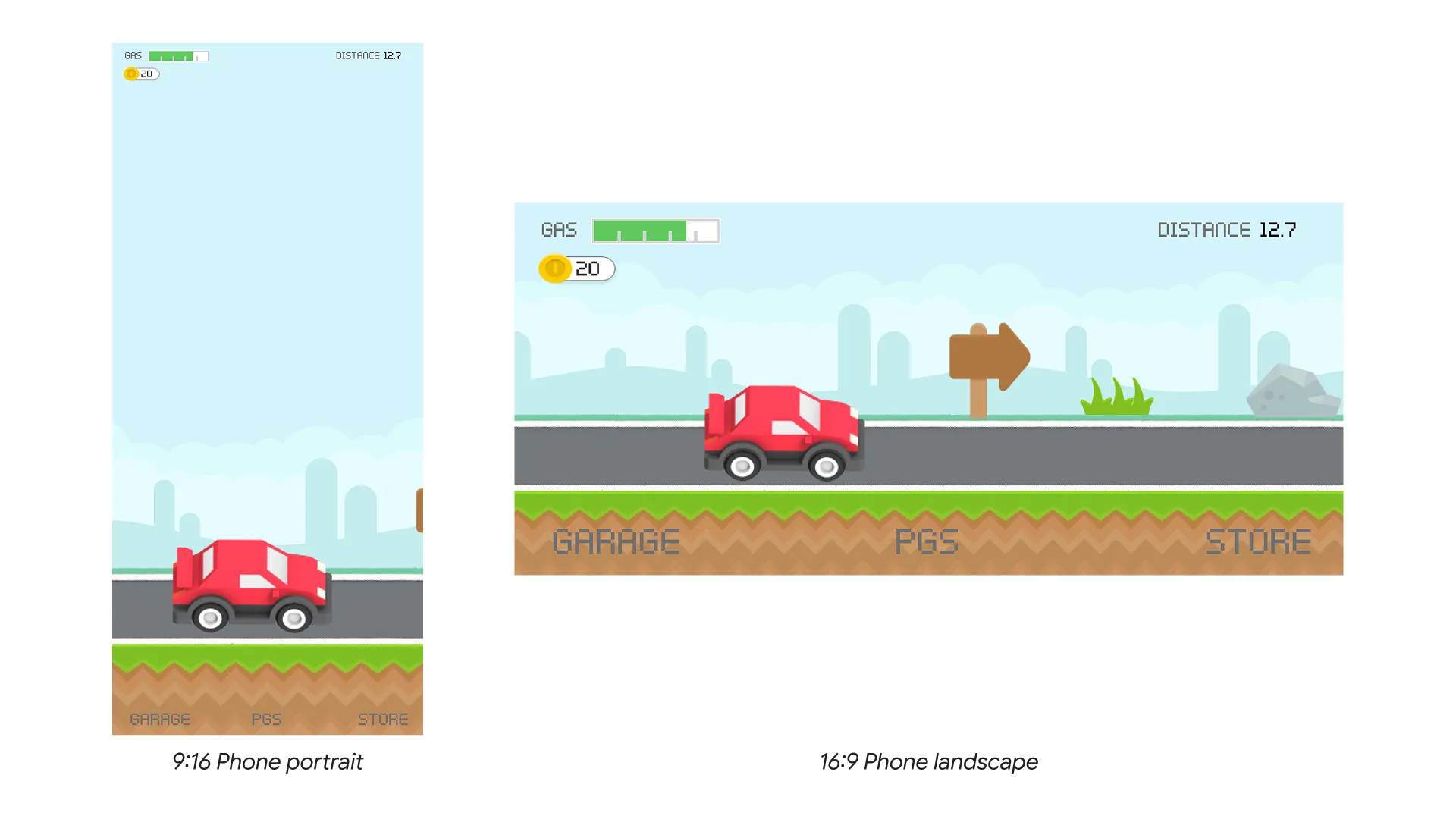
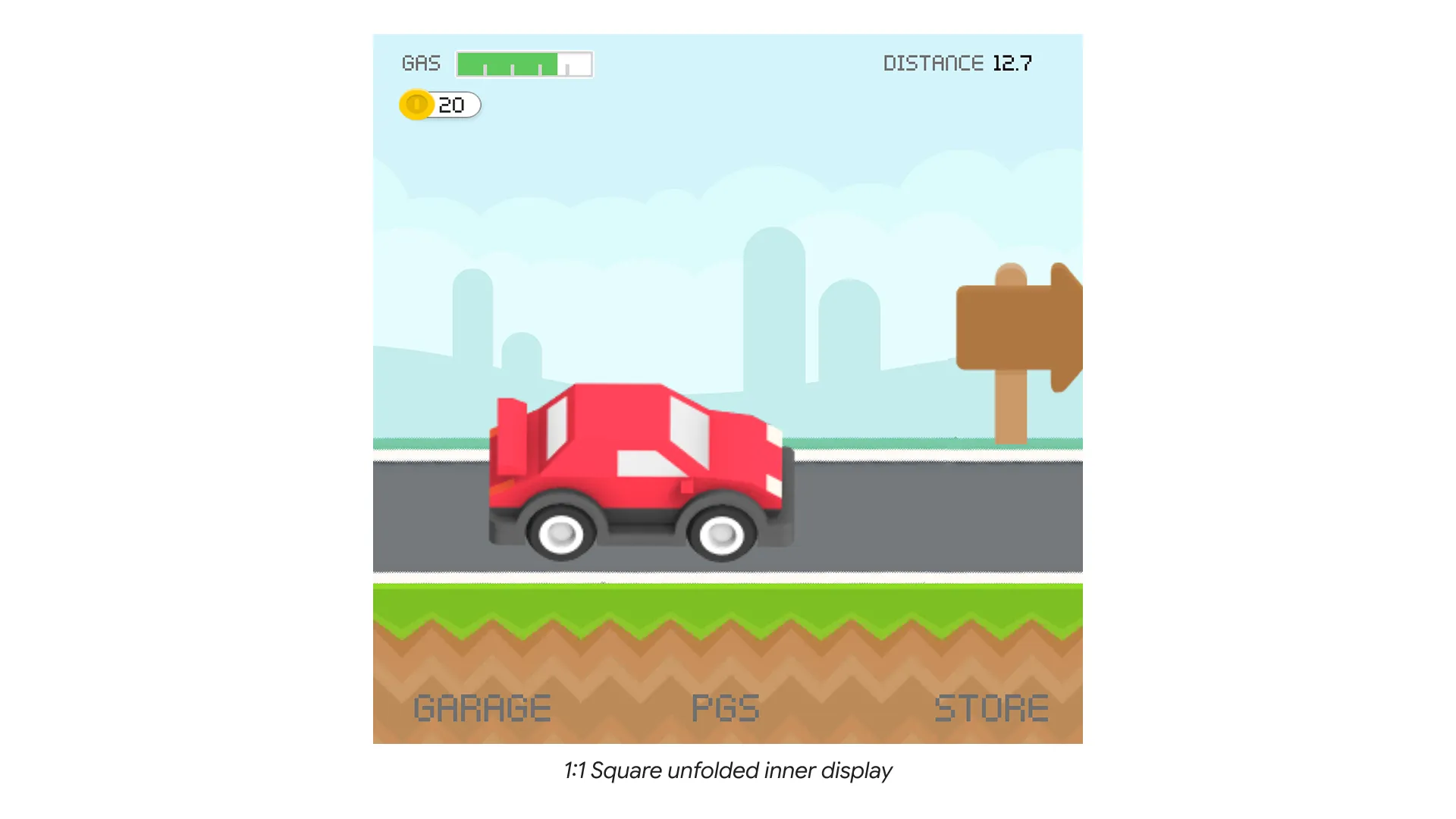
To accommodate the wide array of physical dimensions present in the current foldable ecosystem—ranging from standard phone aspect ratios to near-square inner panels and traditional tablet proportions—the updated console guidelines accommodate multiple display formats. This flexibility ensures that developers can accurately represent their software whether it runs on a vertical clamshell device, a dual-screen book-style foldable, or a traditional Android tablet.
Strategic Roadmap and Implementation Milestones
For game studios and independent developers alike, adjusting production pipelines to meet these impending mandates requires careful long-term planning. Studio engineering and product teams must factor the August 2027 compliance deadline into their multi-year roadmaps, prioritizing viewport management, UI refactoring, and state-preservation logic well in advance.
The strategic timeline leading up to these changes includes several critical checkpoints:
- Immediate Availability: Developers can begin uploading foldable screenshots to the Google Play Console to demonstrate large-screen optimizations.
- April 2027: Foldable screenshots transition from optional marketing assets to mandatory submission requirements for new game listings and updates.
- August 2027: Tier 3 (Ready) large-screen quality compliance becomes fully mandatory for all games on Google Play.
Industry analysts note that while these initial requirements place a primary operational focus on foldable smartphones, the foundational engineering work required for compliance yields significant secondary benefits. Studios that refactor their applications for dynamic resizing and fluid posture transitions are inherently positioning their software to scale efficiently across a broader continuum of large-screen environments. This includes traditional Android tablets, foldable laptops, ChromeOS devices, and desktop integration layers within the broader Android ecosystem.
Industry Implications and Technical Adaptation
The enforcement of standardized quality metrics reflects a broader maturation of the Android gaming market. As hardware manufacturers continue to refine hinge mechanisms, panel durability, and processor efficiency in foldable devices, software ecosystems face increasing pressure to match hardware innovation with corresponding software polish.
From an economic perspective, ensuring seamless transitions across form factors directly benefits publishers by enhancing user engagement and retention. Players who experience uninterrupted gameplay are more likely to remain invested in a title over extended periods. Furthermore, prominent visual representation via dedicated store listings helps developers capture the attention of high-value consumers who utilize premium devices.
Developers looking to prepare for the upcoming milestones are encouraged to leverage existing documentation and diagnostic tools provided by Android. Comprehensive guides on handling configuration changes, optimizing touch inputs for larger touch targets, and utilizing engine-specific scaling tools are currently available through the official Android developer portal. By acting proactively, studios can mitigate technical debt, streamline their release pipelines, and deliver polished, immersive experiences that resonate with users across every screen size in the modern computing landscape.
Related posts: