React Native 0.87 release marks a pivotal shift toward TypeScript standardization and modernization of mobile build toolchains.

The release of React Native 0.87 represents a significant milestone in the evolution of one of the world’s most popular cross-platform development frameworks. By transitioning to a Strict TypeScript API as the default, integrating experimental support for the Swift Package Manager (SwiftPM), and aligning with the latest Android build standards, the framework’s maintainers are signaling a transition toward a more robust, type-safe, and streamlined developer experience. This update, which follows a period of rigorous testing and community feedback, aims to reduce technical debt while simultaneously simplifying the often-complex setup processes inherent in mobile development.
The Evolution of Type Safety and API Standards
The most consequential change in version 0.87 is the promotion of the Strict TypeScript API to the default standard for all new projects. Originally introduced as an opt-in preview in version 0.80—concurrent with the deprecation of deep imports—the Strict TypeScript API serves as the backbone for a more predictable development cycle.
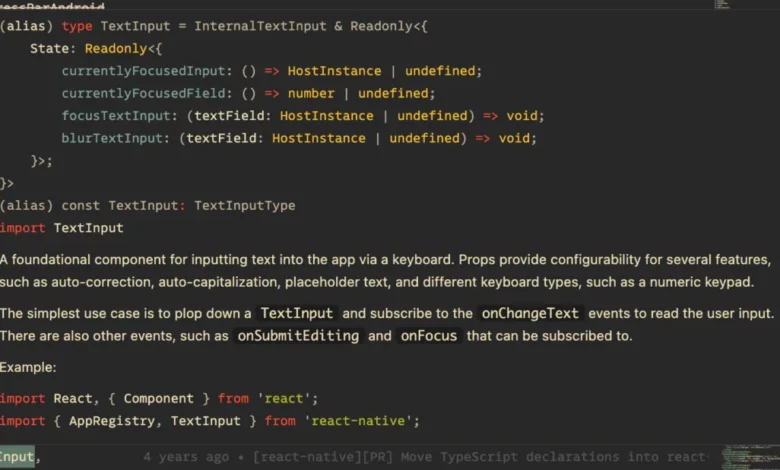
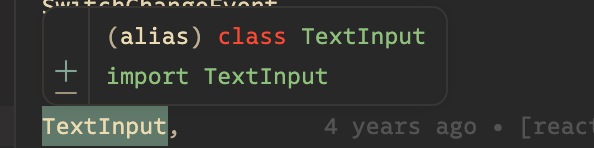
For developers, this transition is not merely cosmetic. The new API architecture ensures that type definitions are more granular and descriptive. When developers hover over components such as TextInput or View in their integrated development environment (IDE), they now receive comprehensive documentation and type metadata that was previously obscured or entirely missing under the legacy type system. This improvement is expected to significantly reduce the frequency of runtime errors, as type inconsistencies can now be caught during the compilation phase.
To facilitate this transition, the React Native team has introduced a structured migration path. While the move to the Strict API necessitates breaking changes for legacy codebases, the core team has collaborated with major library maintainers to ensure that the ecosystem is ready for the shift. Developers who are not yet prepared to migrate their entire codebase can utilize a temporary opt-out mechanism by adding specific conditions to their tsconfig.json file. However, this is intended as a bridge, not a permanent solution; the legacy types are scheduled for complete removal in version 0.89.
Modernizing the iOS Build Infrastructure
For the iOS ecosystem, version 0.87 introduces experimental support for the Swift Package Manager (SwiftPM). Historically, React Native developers have relied heavily on CocoaPods for dependency management. While functional, the reliance on CocoaPods introduces complexities, including the necessity of Ruby, Bundler, and a distinct dependency resolution step that often complicates continuous integration pipelines.

The introduction of SwiftPM as an alternative aims to modernize this workflow. By allowing developers to manage dependencies natively through Xcode, the framework removes the need for external Ruby-based environments. This change also reflects a deeper shift in how React Native handles precompiled binaries. To ensure compatibility with SwiftPM’s strict requirements regarding XCFramework structures, the core team has refactored the way React Native ships its headers. While this change is largely invisible to the end user, it necessitates a minor adjustment in import syntax—shifting from bare-form imports to namespace-prefixed imports—to ensure proper resolution.
Android Development and Gradle Advancement
On the Android side, the update to version 0.87 brings official support for the Android Gradle Plugin (AGP) 9.0. As mobile development evolves, keeping pace with Google’s aggressive update cycle for the Android build system is critical for maintaining security and performance.
AGP 9.0 introduces substantial changes to the build DSL (Domain Specific Language) and internal Kotlin handling. To ease the burden of this transition, the React Native release includes specific instructions for opting out of certain new AGP 9 behaviors, such as the built-in Kotlin support and the updated DSL, via the gradle.properties file. This strategic decision provides developers with a grace period to adapt their build scripts before these features become mandatory in future iterations of the Android build toolchain.
Chronology and Project Context
The trajectory leading to version 0.87 began in mid-2025 with the release of version 0.80. That release was the first to openly challenge the status quo by deprecating deep imports and introducing the Strict TypeScript API as an experimental feature. The intervening releases between 0.80 and 0.87 were characterized by a series of "stabilization sprints," where the core team focused on resolving incompatibilities with the top 100 most popular React Native libraries.
The following table summarizes the minimum toolchain requirements that now define the framework’s operational environment:
| Tool/Requirement | Minimum Version |
|---|---|
| Node.js | 22.x |
| Android Gradle Plugin | 9.0 |
| Kotlin | 2.0+ |
| Metro Bundler | 0.87 |
These requirements reflect a broader industry push toward modern JavaScript and JVM runtimes. By mandating Node.js 22, the framework leverages improved performance in the V8 engine, which in turn accelerates the build and hot-reloading processes.
Analytical Implications for the Ecosystem
The implications of these changes are twofold: efficiency and long-term maintainability. By streamlining the dependency management on iOS and standardizing type definitions, the framework is positioning itself to be more accessible to enterprise-level organizations that require strict governance over their codebase.
Furthermore, the "agent-driven" approach to migration—where developers can utilize automated tools to identify and resolve breaking changes—indicates a shift in how the React Native team approaches software upgrades. Rather than relying on manual documentation, the team is increasingly focusing on programmatic solutions that automate the upgrade path. This is a vital development for the ecosystem, as the sheer size of the React Native community often makes manual upgrades a daunting task for large-scale applications.
Community Contribution and Support
The 0.87 release was a collaborative effort involving 74 distinct contributors who submitted over 265 commits. This level of participation underscores the decentralized nature of the framework’s development. The reliance on RFCs (Requests for Comments), such as RFC #0994 for SwiftPM and RFC #1006 for AGP 9 adoption, demonstrates a transparent governance model where significant architectural decisions are vetted by the community before implementation.
Looking Ahead
As of this release, version 0.84 has officially moved to an unsupported status. Developers are urged to utilize the React Native Upgrade Helper, a web-based tool that provides a side-by-side comparison of code changes between versions. This tool is instrumental in identifying the specific modifications required to bridge the gap between older versions and the 0.87 release.
For those managing Expo-based projects, the integration is expected to follow shortly, with the update becoming available via the expo@canary release channel. As the framework continues to shed legacy dependencies and embrace modern build tools, the path forward appears focused on reducing the overhead of cross-platform development. The success of the 0.87 release will ultimately be measured by the adoption rate of the Strict TypeScript API and the successful integration of SwiftPM in professional production environments over the coming months.
The framework’s focus on strict type safety and native build tool modernization suggests that React Native is moving beyond its roots as a web-wrapper-style framework and into a more mature, native-aligned architecture. By aligning with the standards set by Apple and Google’s native build tools, React Native ensures its longevity, providing developers with the tools necessary to build high-performance mobile applications without being perpetually hampered by outdated build infrastructures. As the industry looks toward the next major release, the emphasis on developer experience—manifested through better IDE support, cleaner documentation, and automated migration paths—will likely remain the central pillar of the framework’s strategy.
Related posts: