The Social Media Frenzy: Memes Erupt Ahead of the Spain vs. Argentina 2026 World Cup Final, Fueling Rivalries and Legacies

As the football world braces for the highly anticipated 2026 World Cup final between European giants Spain and South American powerhouse Argentina, a distinct phenomenon has taken over social media platforms: an explosion of memes. These digital quips, ranging from lighthearted jests to pointed satirical jabs, have become a central part of the pre-match narrative, particularly targeting fans of Cristiano Ronaldo and Real Madrid, adding a unique layer of entertainment and rivalry to the global spectacle. The final, set to captivate billions, has inadvertently become a battleground for digital wit, reflecting deeper club and individual player allegiances that transcend national team loyalties.
The build-up to any World Cup final is inherently charged with emotion, expectation, and national pride. However, the 2026 edition has seen an unprecedented surge in fan-generated content, especially memes, which serve as a collective expression of anticipation, anxiety, and often, partisan banter. This particular final, pitting Spain’s youthful dynamism against Argentina’s experienced squad led by Lionel Messi, carries significant implications for individual legacies and footballing narratives. The online discourse, spearheaded by these viral images and videos, often intertwines the World Cup context with long-standing club rivalries, particularly the fervent El Clásico animosity between Barcelona and Real Madrid, and the perennial GOAT debate between Messi and Ronaldo.
The Road to the Grand Finale: A Brief Chronology
The 2026 FIFA World Cup, hosted across North America, commenced in mid-June, bringing together 48 nations in a historic expansion of the tournament. Both Spain and Argentina navigated challenging group stages, showcasing tactical prowess and individual brilliance. Spain, under their renewed leadership, demonstrated a fluid, possession-based style complemented by explosive young talents. Their journey included impressive victories in the knockout rounds, culminating in a hard-fought semifinal win against a formidable opponent, securing their place in the final for the first time since their 2010 triumph.
Argentina, on the other hand, embarked on a campaign driven by a blend of veteran leadership and emerging stars, with Lionel Messi at the heart of their ambitions. Their path to the final was marked by gritty performances, demonstrating resilience and flashes of genius that reminded many of their 2022 World Cup victory. They overcame several tough adversaries in the knockout stages, including a dramatic semifinal showdown that saw them emerge victorious, setting the stage for a tantalizing clash of footballing philosophies and generations. By July 19, 2026, the eve of the final, social media was abuzz, capturing the collective excitement and tension of fans worldwide.
Memes as a Modern Cultural Phenomenon in Sports
In the contemporary digital age, memes have evolved from niche internet humor into a powerful form of cultural communication, particularly potent in the realm of sports. During major events like the World Cup, they become a universal language for fans to express joy, despair, frustration, and rivalry. They offer instant, relatable commentary, often distilling complex narratives or emotions into a single, humorous image or short video. Platforms like X.com (formerly Twitter), Instagram, and TikTok serve as fertile ground for their rapid creation and dissemination, amplifying fan voices and shaping public perception in real-time. The anonymity and virality of memes allow fans to engage in banter that might otherwise be considered overly aggressive, fostering a unique form of camaraderie and rivalry.
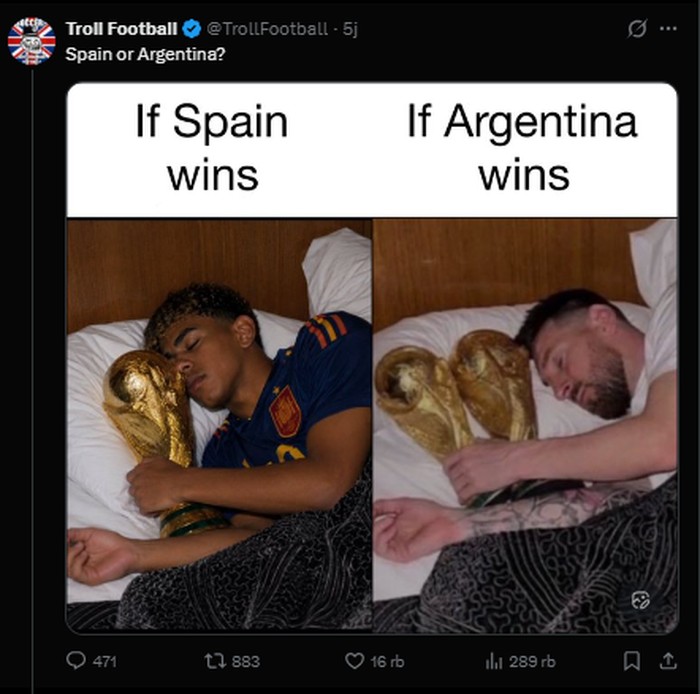
The memes circulating before the Spain vs. Argentina final are a prime example of this phenomenon. They are not merely jokes; they are reflections of deeply ingrained football rivalries and the personal stakes fans invest in their preferred players and clubs. The content of these memes often touches on themes of legacy, triumph, and the schadenfreude derived from a rival’s misfortune.
Targeted Banter: Ronaldo Fans and Real Madrid in the Crosshairs
A significant portion of the pre-final memes has been directed towards fans of Portuguese superstar Cristiano Ronaldo and supporters of Spanish club Real Madrid. This targeting stems from several interwoven narratives:
-
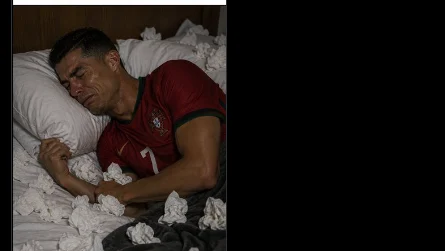
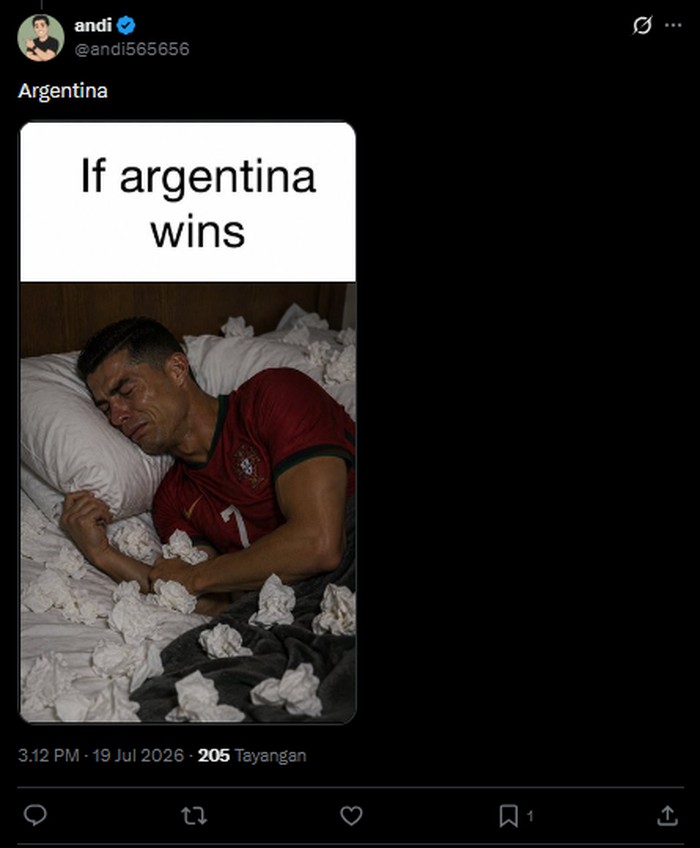
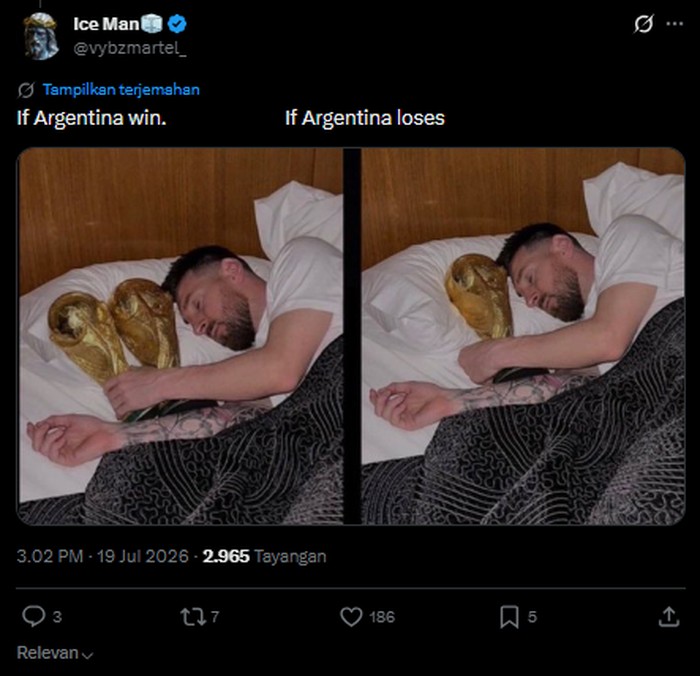
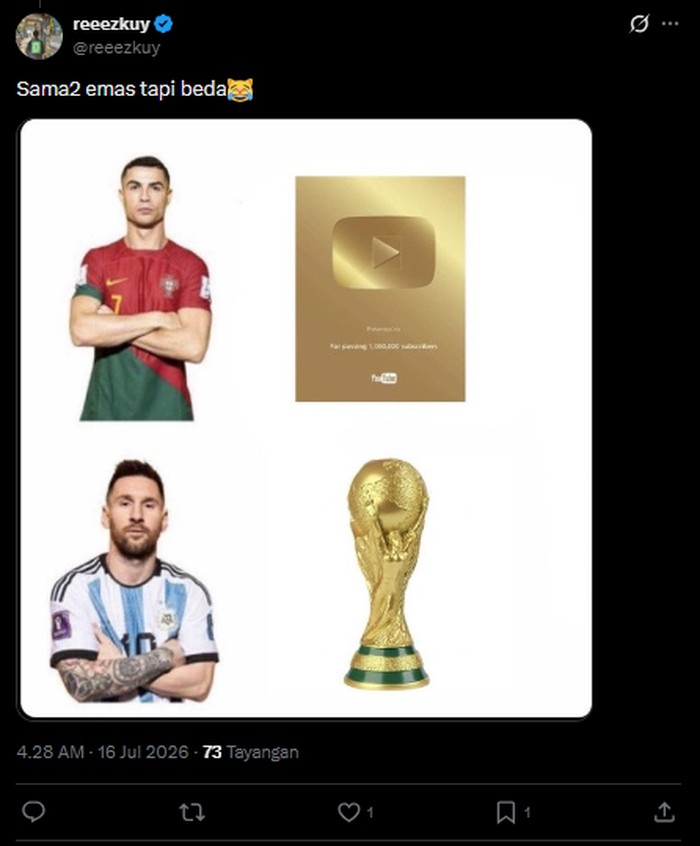
The Messi vs. Ronaldo GOAT Debate: With Lionel Messi leading Argentina into another World Cup final, the prospect of him potentially adding a second World Cup trophy to his illustrious cabinet is a powerful narrative. Memes depicting a crestfallen Cristiano Ronaldo, or showing Messi with "two World Cup trophies" (as alluded to in one caption), directly play into this long-standing rivalry. For many, a second World Cup for Messi would further solidify his claim as the greatest player of all time, a notion that is often met with resistance by Ronaldo’s ardent supporters. The visual of Ronaldo looking dejected or envious is a common trope designed to provoke reactions from his fanbase.
-
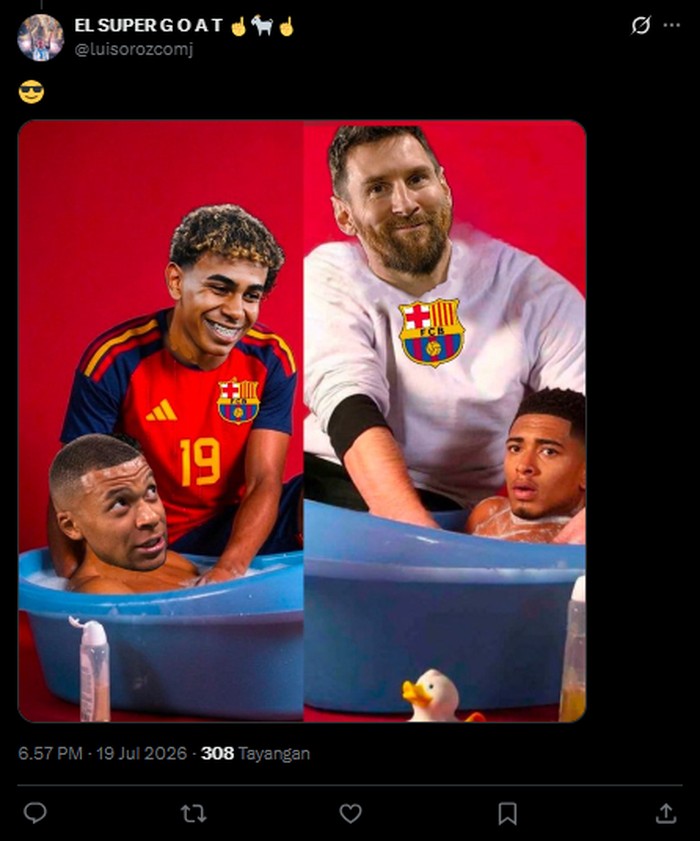
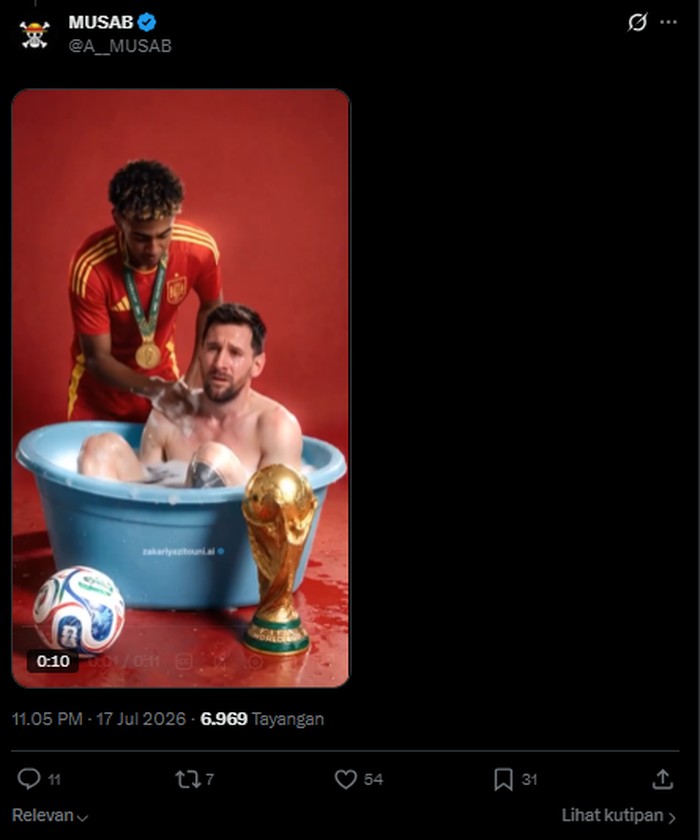
El Clásico Resurgence on the World Stage: The final featuring Spain (with prominent Barcelona players like Lamine Yamal) and Argentina (led by former Barcelona icon Lionel Messi) inevitably rekindles the intense rivalry between FC Barcelona and Real Madrid. One meme explicitly highlights this by stating, "Yamal (currently strengthening Barcelona) defeats Kylian Mbappe (who is a Real Madrid player). Likewise, Lionel Messi, a former Barcelona footballer, also defeats Real Madrid player Jude Bellingham." This meme cleverly reframes the international contest through the lens of club football, suggesting a victory for Barcelona-affiliated players over their Real Madrid counterparts. For Real Madrid fans, seeing players associated with their bitter rivals potentially lift the most coveted trophy in football, especially if it involves defeating players from their own club, adds salt to the wound.
-
The Shifting Loyalties of "Neutral" Fans: Another meme points out the perceived opportunism of some fans, stating, "Ronaldo fans currently. After supporting Bellingham, now moving to Yamal." This highlights a cynical view that some supporters, particularly those focused on individual rivalries, will align themselves with whichever player or team opposes Messi, regardless of their usual affiliations. Bellingham, a key Real Madrid player, and Yamal, a Barcelona prodigy, represent different club loyalties, yet both are seen as potential foils to Messi’s World Cup aspirations by this segment of the fanbase.
Other Prominent Meme Themes and Their Meanings:
Beyond the direct targeting of Ronaldo and Real Madrid fans, other memes circulating provide a broader commentary on the global football landscape:
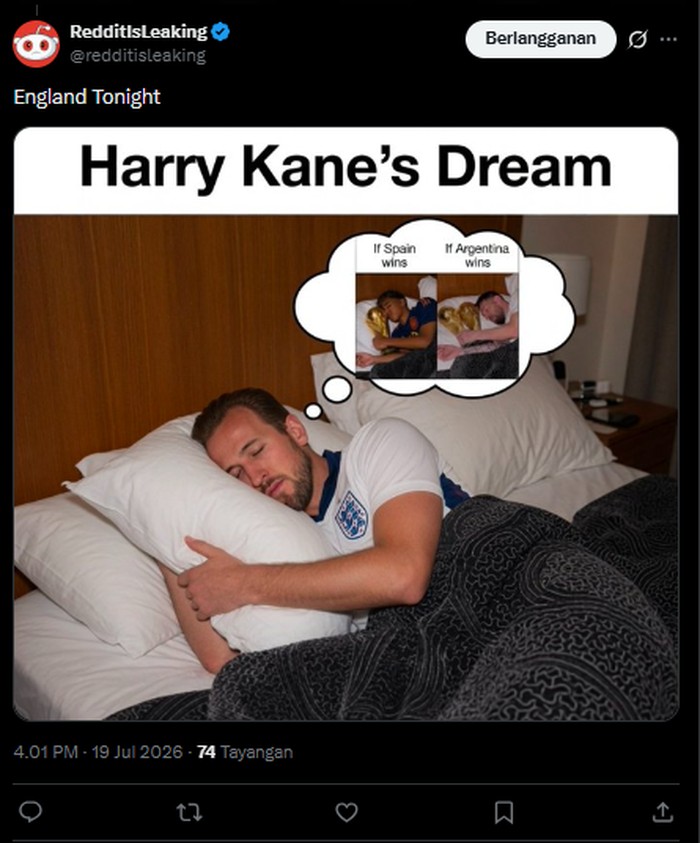
- Harry Kane’s Perpetual Near Miss: A meme depicting "Harry Kane dreaming if Spain or Argentina wins the 2026 World Cup" taps into the collective sympathy and humor surrounding the English captain’s consistent individual brilliance contrasted with his lack of major team trophies. It represents the dreams and heartbreaks of players and nations who came close but ultimately fell short.
- The World’s Divided Support: One meme suggests, "Currently, the world supports Spain to beat Argentina." This reflects the narrative often seen when a dominant team or player (like Messi’s Argentina) faces a new contender. There’s often a desire for a fresh champion or a challenge to established greatness, or perhaps even a subtle "anyone but them" sentiment from rival fanbases.
- Passing the Torch: Messi and Yamal as Legends: The meme portraying "Messi and Yamal as young Shanks and young Luffy" (characters from the popular anime One Piece) is a poignant reference. It symbolizes a potential generational shift, with Messi as the established legend (Shanks) inspiring and potentially passing the mantle to the rising prodigy Yamal (Luffy). This meme acknowledges Yamal’s meteoric rise and the possibility of him forging his own legendary path, even against a player of Messi’s stature.
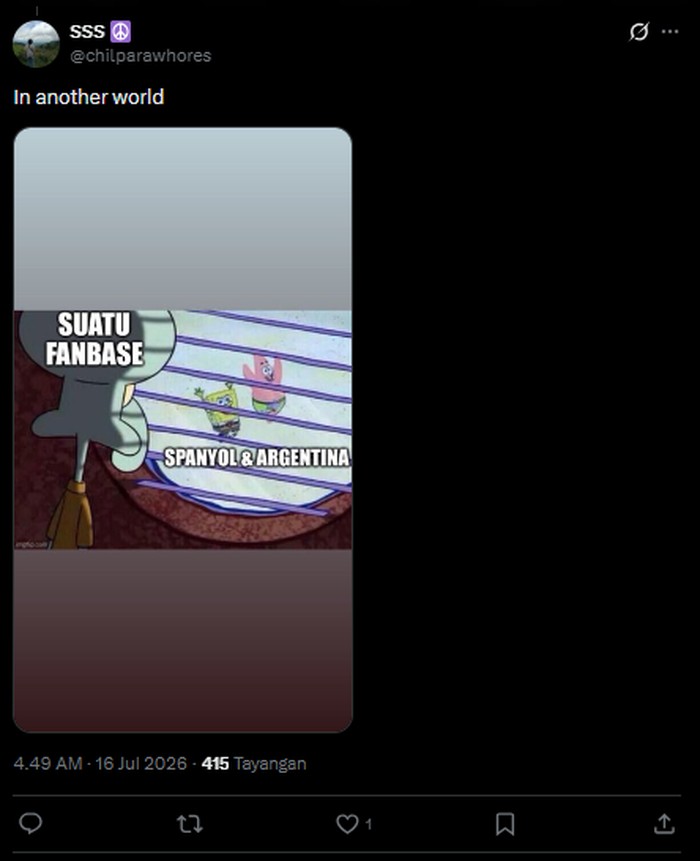
- The Barcelona Fan Dilemma: An interesting meme shows "Barcelona fans currently. Seems they are confused about who to support." This captures the unique predicament of fans who hold dual loyalties. On one hand, Lionel Messi, their greatest ever player, is leading Argentina. On the other hand, Spain features several key Barcelona players, most notably Lamine Yamal, a player seen as the future of their club. This creates an internal conflict: do they prioritize national pride and current club heroes, or the enduring legacy of their former icon?
Implications and Broader Impact
The proliferation of these memes underscores several important implications for modern football and its consumption:
- Amplified Fan Engagement: Memes significantly increase fan engagement, making the pre-final period more interactive and entertaining. They provide an outlet for fans to connect, share opinions, and participate in the collective excitement.
- Narrative Shaping: These digital artifacts contribute to shaping the overarching narrative of the final. By focusing on specific rivalries or individual player stories, they influence how the match is perceived and discussed globally.
- Enduring Rivalries: The memes demonstrate the enduring power of club and individual rivalries, proving that these allegiances are deeply ingrained and transcend the boundaries of international tournaments. The El Clásico dynamic, in particular, remains a potent force even when players wear different national jerseys.
- Legacy Debates: The final’s outcome, especially concerning Messi, will inevitably be framed by the ongoing GOAT debate. The memes are a precursor to the intense post-match analysis that will follow, regardless of the result. If Argentina wins, Messi’s legacy will be further cemented, leading to a new wave of celebratory and, conversely, lamenting memes. If Spain triumphs, particularly with a strong performance from Yamal, it could herald a new era and fuel narratives about generational shifts.
- Commercial Impact: While not explicitly mentioned in the original content, the heightened social media activity and viral content indirectly contribute to the commercial success of the World Cup by keeping the event at the forefront of public consciousness and driving viewership.
In conclusion, the 2026 World Cup final between Spain and Argentina is not just a battle on the pitch; it’s a cultural phenomenon playing out across digital screens worldwide. The memes, with their targeted humor and reflection of deep-seated rivalries, are a testament to football’s unique ability to merge sport with broader cultural narratives. They serve as a vibrant, often irreverent, prelude to what promises to be an unforgettable encounter, reminding everyone that in the world of football, allegiances run deep, and the quest for supremacy, both on and off the field, is a never-ending spectacle.