Stop Opening PowerPoint First: A Professional Guide to Narrative-Driven Presentations

In the modern corporate and academic landscape, the immediate reflex when tasked with delivering a presentation is to launch slideware such as Microsoft PowerPoint, Apple Keynote, or LibreOffice Impress. However, industry veterans and communication experts argue that this form-first approach introduces massive cognitive friction. When presenters leap straight into formatting slides, choosing fonts, and hunting for stock imagery before defining their core message, they frequently fall victim to second-guessing and structural confusion. To deliver an impactful live or recorded presentation, professionals are increasingly advised to reverse their workflow: establish a robust narrative first, and treat visual aids merely as a supporting mechanism.
The Cognitive Trap of Form-Preceding-Function
The conventional 16:9 widescreen slide format inherently forces creators to dissect their narrative into fragmented visual bites. Without a pre-established roadmap, presenters find themselves paralyzed by cosmetic decisions—such as color palettes, diagram layouts, and transition animations—long before the core message is clear. This operational bottleneck often drives speakers toward generic, pre-packaged slide templates simply to manufacture a sense of progress.
Communication strategists emphasize that a presentation should be reserved strictly for content that demands a human voice and merits the scheduling overhead of live attendance. Consequently, the preliminary phase of presentation design must entirely bypass presentation software. The goal is to formulate a narrative so clear and comprehensive that the speaker can deliver it entirely without visual aids. Only once this narrative platform is secured should the creation of audio-visual enhancements begin.
Establishing the Core Narrative: What Are You Saying and to Whom?
Before outlining individual slides, a presenter must address two fundamental pillars: the primary message and the intended audience.
Industry frameworks, such as the concept popularized by presentation expert Nancy Duarte, advocate for identifying the "Big Idea." This requires distilling the overarching "so-what" of a presentation into a single, concise sentence composed of two elements: the speaker’s unique point of view and the stakes involved for the audience. For instance, in discussions regarding corporate productivity, a speaker might contrast the traditional corporate superstition of brainstorming—which research often links to conformity pressure and production blocking—with the superior alternative of "brainwriting," wherein individuals generate ideas independently and anonymously. The Big Idea thus becomes a synthesized thesis that guides every subsequent step of the presentation.
Simultaneously, creators must conduct a persona-building exercise to analyze their audience. While presenting to familiar internal teammates may require only a brief intuitive assessment, addressing external stakeholders or new clients necessitates rigorous research. Understanding the prospective audience’s baseline knowledge, pain points, and professional motivations allows the speaker to tailor the storyline effectively, ensuring maximum resonance.
Selecting a Proven Story Structure
Once the Big Idea and audience persona are established, speakers must select a narrative architecture tailored to their content. Communication professionals routinely utilize six primary story formats, each serving a distinct communicative objective:
- The Sparkline: Swings dynamically between the current reality ("what is") and future possibilities ("what could be"), repeating these beats to make abstract futures feel tangible.
- The Explainer: A structured walkthrough of unfamiliar concepts, following a classic pedagogical roadmap of context, step-by-step elaboration, recap, and a concluding call to action.
- The Pitch: Identifies a specific audience problem, contrasts standard uninspired solutions with an innovative alternative, and closes with a compelling recommendation.
- Hook, Meat, Payoff: A concise, punchy framework featuring a provocative opening, a structured core (such as a timeline or list), and a conclusion that directly ties back to the initial hook.
- Situation, Complication, Resolution: The classic consulting framework that establishes objective context ("situation"), introduces a critical problem or opening ("complication"), and delivers the definitive solution ("resolution").
- The Hero’s Journey: A dramatic, narrative arc moving from everyday normalcy through a severe crisis and rock-bottom challenge, culminating in a triumphant comeback and valuable lessons learned.
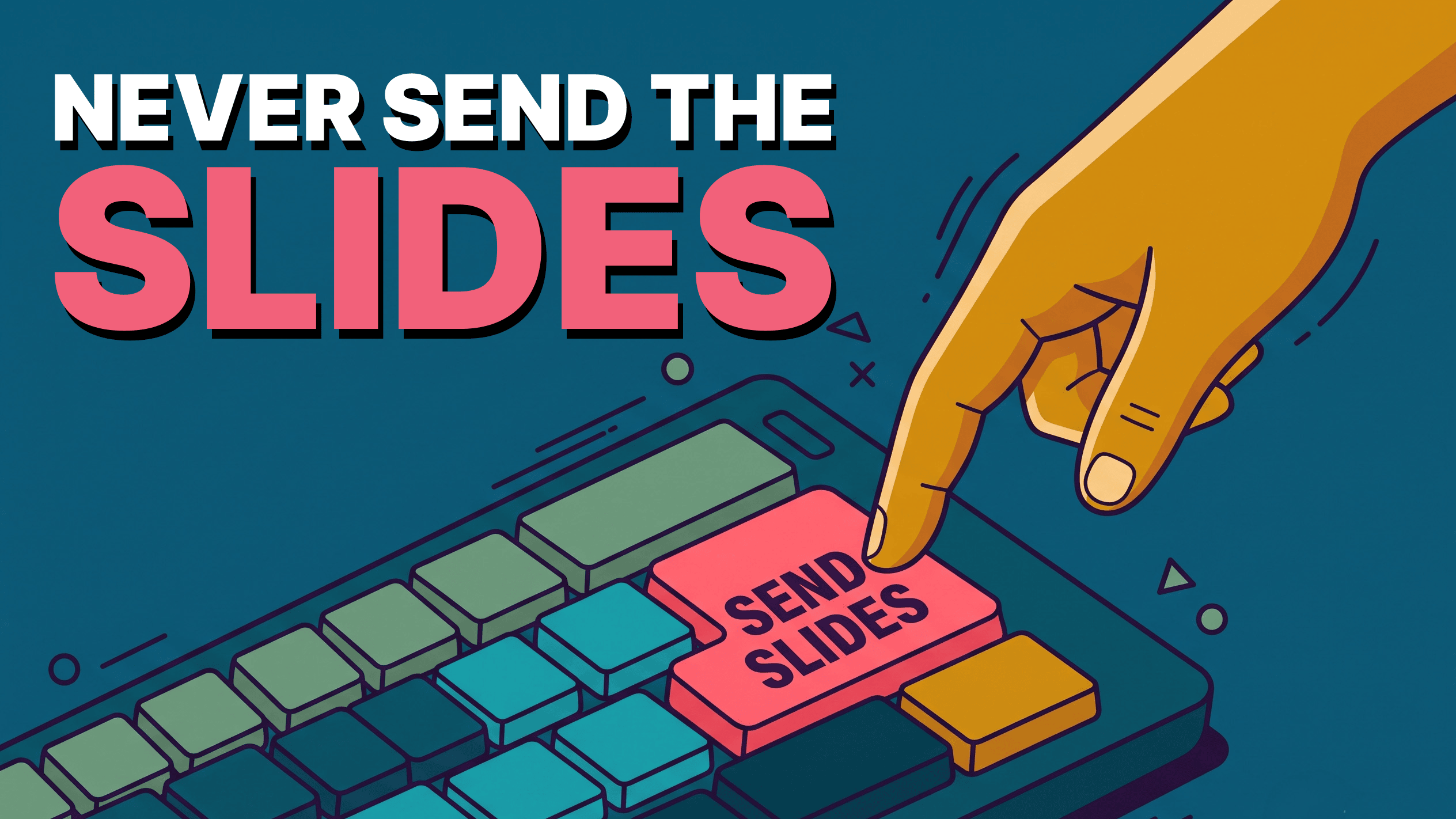
For complex sessions with unpredictable audiences, speakers occasionally employ an "à la carte content" model. Popularized by software expert Neal Ford, this flexible pattern presents the audience with a menu of independent topics, allowing them to dictate the direction of the presentation in real-time.
Methods for Developing the Storyline
For creators unaccustomed to upfront narrative planning, several practical methodologies can facilitate the drafting process:
- Collaborative Whiteboarding: Ideal for co-presenters utilizing physical whiteboards or digital platforms like Miro and Mural. Color-coded sticky notes allow teams to easily rearrange, edit, and visualize thematic adjacencies.
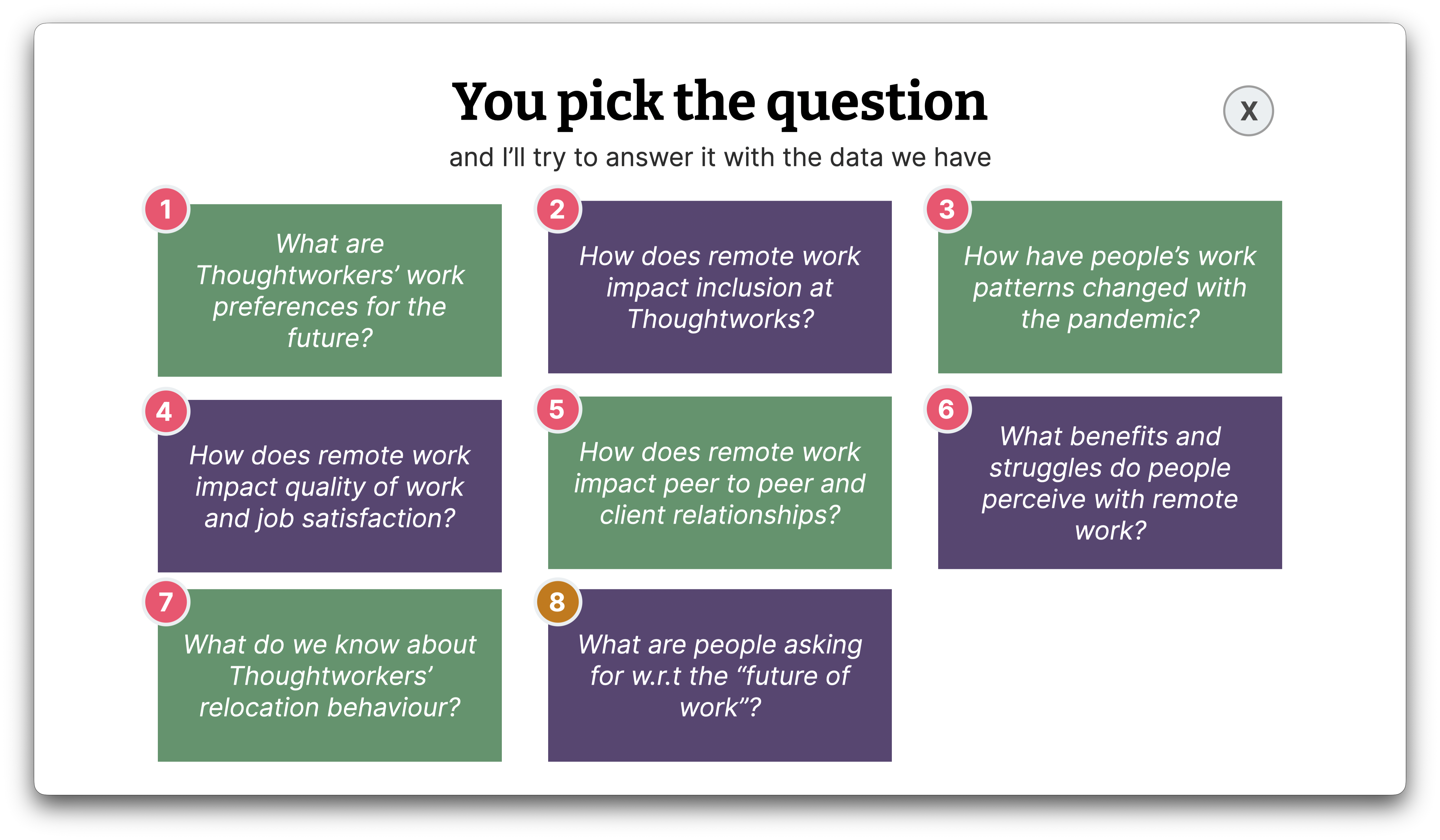
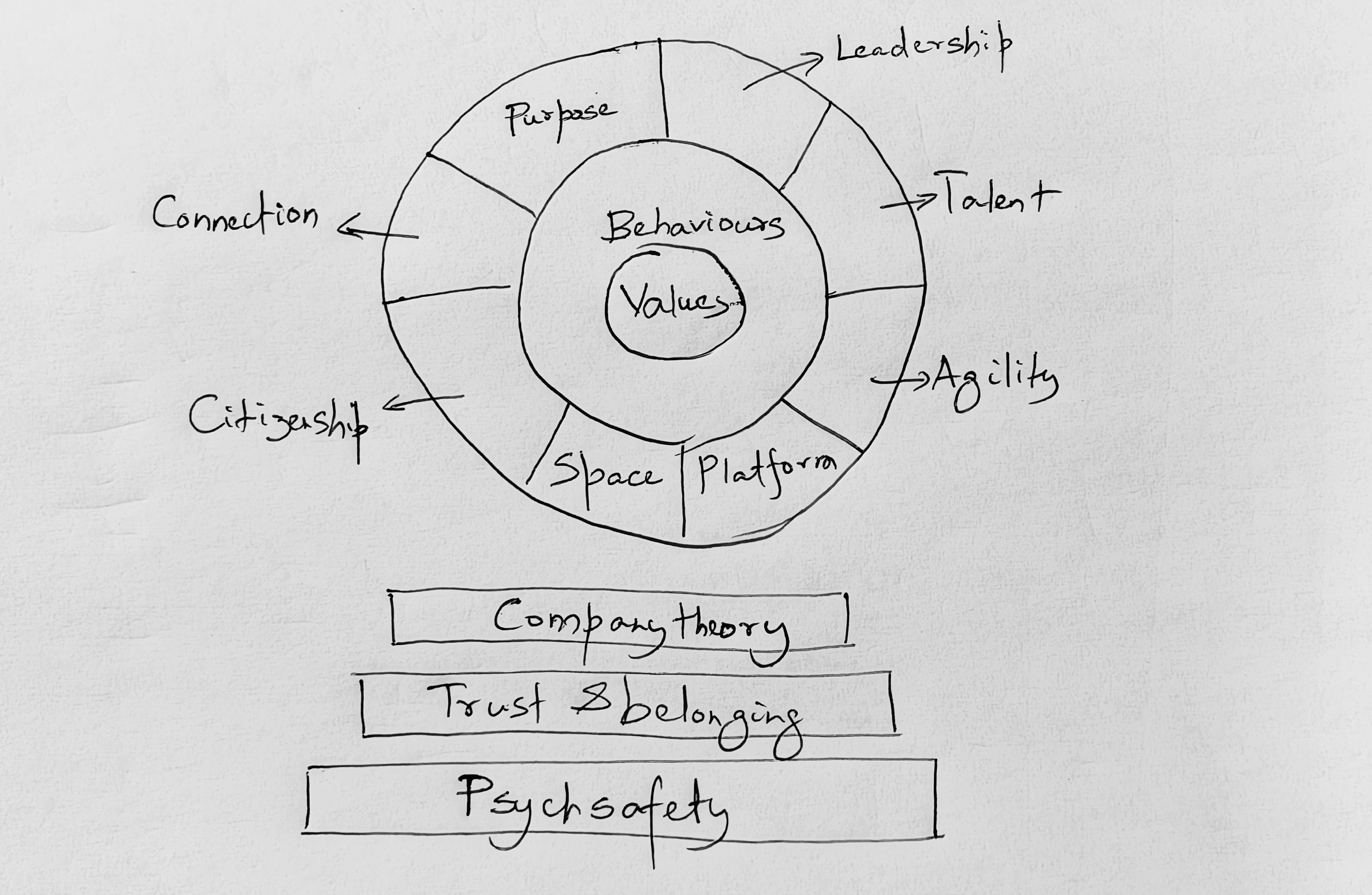
- Diagram-Centric Narratives: Constructing presentations around a core visual metaphor—such as an initial boxes-and-arrows sketch on a notepad—provides a structural spine around which the rest of the narrative can be built.
- Narrative-Based Writing: Solo presenters who prefer text-based thinking can draft their narrative using bulleted outlines within structured word-processing documents.
- Voice Memos and AI Transcription: Utilizing mobile voice recorders to verbally flesh out ideas allows speakers to capture natural explanations. The resulting transcripts can then be refined using AI tools to establish a clean, structured draft while retaining the speaker’s original voice.
Storyboarding and the Path to Slide Design
With a solidified narrative in place, the penultimate step involves translating the plan into a storyboard. Using physical index cards, digital sticky notes, or the light-table view within presentation software, creators outline what will appear on each panel without getting bogged down in aesthetic design. This approach ensures that slide creation transforms from an exercise in invention into a streamlined process of execution.
As legendary artist Pablo Picasso famously noted, creators must "learn the rules like a pro, so you can break them like an artist." While starting with a rigorous narrative framework may initially feel rigid to seasoned presenters, empirical coaching data across major enterprises indicates that upfront planning ultimately accelerates the entire production timeline. By treating the narrative, storyboard, and slide design as an iterative loop rather than a rigid sequence, presenters build decks that are robust yet flexible enough to adapt to real-time insights.