Indonesia’s B50 Biodiesel Program Delivers Substantial Economic Benefits and Fortifies Energy Sovereignty, Ministry States

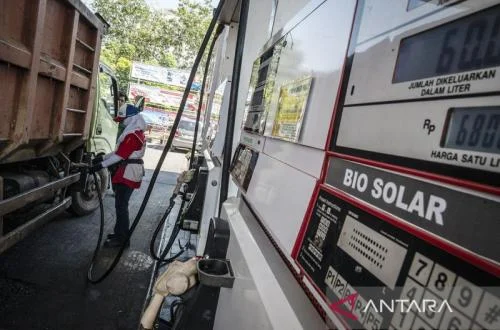
The Indonesian Ministry of Energy and Mineral Resources (ESDM) has affirmed that the implementation of the mandatory B50 biodiesel program will yield profound and tangible economic advantages for the nation. This policy, which mandates a 50 percent blend of palm oil-based biodiesel with conventional diesel, is lauded as a strategic imperative to bolster national energy independence and reduce reliance on imported fossil fuels. The initiative is set to unlock significant foreign exchange savings, stimulate job creation, and make a substantial contribution to the country’s climate targets, marking a pivotal moment in Indonesia’s energy transition roadmap.
Dwi Anggia, Spokesperson for the Ministry of ESDM, underscored the transformative nature of this policy, highlighting its role in ushering in a new era where national energy sovereignty is driven by domestic commodities. "The B50 program delivers real economic benefits for the country. It is projected to save Indonesia approximately Rp170 trillion (equivalent to about US$10.8 billion) in foreign exchange throughout 2026," Anggia stated in a press release on Friday. She emphasized that with the B50 blend, half of every liter of diesel consumed nationwide will originate from crops cultivated and harvested by Indonesian local farmers, fundamentally shifting the energy paradigm from import dependency to self-sufficiency.
A Strategic Leap Towards Energy Independence
Indonesia, as the world’s largest producer of palm oil, has long sought to leverage this abundant domestic resource to enhance its energy security. The journey towards higher biodiesel blends is a testament to this long-term vision. The B50 mandate is not merely an incremental step but a significant leap in the country’s effort to diversify its energy mix and reduce its vulnerability to volatile global oil prices and geopolitical supply disruptions. By replacing a substantial portion of fossil diesel with biofuel derived from palm oil, Indonesia aims to insulate its economy from external shocks while simultaneously creating robust domestic value chains.
This policy aligns perfectly with Indonesia’s broader National Energy Policy (KEN), which prioritizes the optimal utilization of indigenous energy sources. The transition to B50 is seen as a critical mechanism to ensure the availability, accessibility, and affordability of energy for its burgeoning population and rapidly growing economy. The strategic intent is clear: to establish a resilient energy system that is less susceptible to international market fluctuations and more responsive to national development goals.
The Journey to B50: A Policy Evolution
Indonesia’s commitment to biodiesel began over a decade ago, evolving through various stages of mandatory blending. The initial mandates, such as B10 (10% biodiesel) and B20 (20% biodiesel), laid the groundwork for integrating biofuels into the national energy system. These early phases primarily focused on technical feasibility, engine compatibility, and establishing a stable supply chain for Fatty Acid Methyl Ester (FAME), the key component of palm oil-based biodiesel.
A significant milestone was reached in January 2020 with the full implementation of the B30 program, which required a 30% biodiesel blend. This program proved highly successful, demonstrating the technical viability and economic benefits of higher blends on a national scale. Following the success of B30, the government further escalated its ambition, introducing B35 in February 2023. The B35 mandate, which increased the blend to 35%, further solidified Indonesia’s position as a global leader in biofuel utilization and helped mitigate the impact of rising global crude oil prices during that period. The transition from B35 to B50 represents the most aggressive increase yet, underscoring the government’s confidence in its palm oil sector and its resolve to accelerate energy independence. This phased approach has allowed for continuous learning, adaptation, and optimization of the entire biodiesel ecosystem, from upstream palm oil cultivation to downstream distribution and consumption. While B40 was previously discussed, the focus has now shifted to advancing directly to B50, with comprehensive trials and preparations underway to ensure a seamless and efficient rollout.
Tangible Economic Dividends
The projected foreign exchange savings of Rp170 trillion (approximately US$10.8 billion) by 2026 are a cornerstone of the B50 program’s economic appeal. This massive reduction in import expenditure is crucial for strengthening Indonesia’s current account balance, stabilizing the rupiah, and providing vital fiscal space for national development initiatives. The savings can be redirected towards critical infrastructure projects, social programs, and other productive sectors, thereby fostering sustainable economic growth. The significant reduction in fuel imports also lessens the burden on state subsidies for energy, allowing for a more efficient allocation of government resources.
Beyond currency savings, the macroeconomic benefits extend profoundly into the labor market. The program is estimated to generate an impressive 2.1 million new jobs across Indonesia. This substantial figure reflects the positive multiplier effect of the agricultural-based industrial downstreaming. These jobs will span various sectors, including:
- Upstream Palm Oil Sector: Increased demand for fresh fruit bunches will lead to more employment opportunities for farmers, plantation workers, and agricultural support services.
- Midstream Processing: Expansion of palm oil processing plants (refineries, FAME producers) will create jobs in manufacturing, engineering, and operations.
- Logistics and Distribution: Enhanced infrastructure for transporting palm oil, FAME, and biodiesel will require more truck drivers, warehouse operators, and logistics managers.
- Research and Development: Investments in biofuel technology, engine compatibility, and sustainable practices will foster innovation and create high-skilled jobs.
- Ancillary Industries: The growth of the biodiesel sector will indirectly support related industries, from equipment suppliers to maintenance services.
This extensive job creation will significantly contribute to poverty reduction and improve the livelihoods of millions of Indonesians, particularly in rural areas where palm oil cultivation is a primary economic activity. It reinforces the government’s commitment to inclusive growth and equitable distribution of economic opportunities.
A Greener Footprint: Contributing to Climate Goals
In addition to its economic prowess, the B50 mandate serves as a critical pillar in Indonesia’s commitment to addressing climate change. The Ministry of ESDM projects that this transition to higher biodiesel blends will reduce greenhouse gas (GHG) emissions by up to 44.46 million tons of CO2 equivalent by 2026. This substantial reduction is vital for Indonesia to achieve its Nationally Determined Contribution (NDC) targets under the Paris Agreement, which aims for a 31.89% unconditional reduction and a 43.2% conditional reduction in emissions by 2030.
Biodiesel, being a renewable fuel, offers a significantly lower carbon footprint compared to conventional fossil diesel. The lifecycle emissions of palm oil-based biodiesel, when produced sustainably, are considerably lower, contributing to cleaner air quality and mitigating the impacts of climate change. This environmental benefit extends across various sectors, particularly transportation and industrial processes that rely heavily on diesel fuel. The program thus demonstrates Indonesia’s multi-faceted approach to sustainable development, balancing economic growth with environmental stewardship.
The Backbone: Indonesia’s Palm Oil Sector
Indonesia’s position as the world’s leading palm oil producer is central to the viability and success of the B50 program. The country boasts vast plantations and a well-developed processing infrastructure capable of supplying the necessary raw material for large-scale biodiesel production. However, the expansion of palm oil cultivation has historically raised concerns regarding deforestation, biodiversity loss, and land use change.
Recognizing these challenges, the Indonesian government has made significant strides in promoting sustainable palm oil practices. Initiatives such as the Indonesian Sustainable Palm Oil (ISPO) certification system, the moratorium on new palm oil plantation permits, and efforts to revitalize existing smallholder plantations are crucial in ensuring that the increased demand for palm oil for biodiesel does not come at the expense of environmental integrity. The ISPO certification, for instance, mandates adherence to environmental standards, labor rights, and community engagement, providing a framework for responsible production. By ensuring sustainability, Indonesia aims to demonstrate that its biofuel program is not only economically beneficial but also environmentally responsible, addressing global concerns about palm oil’s impact.
Navigating Implementation and Future Horizons
Ensuring the optimal implementation of the B50 program requires rigorous oversight and extensive coordination. The Ministry of ESDM is continuously monitoring the technical and operational execution on the ground, working closely with various stakeholders. This includes:
- Automotive Industry: Collaboration with vehicle manufacturers is essential to ensure engine compatibility with higher biodiesel blends. This involves technical adjustments, testing, and potentially the development of new engine technologies to accommodate B50 seamlessly.
- Fuel Producers and Distributors: Coordination with state-owned enterprises like Pertamina and private fuel companies is critical for ensuring a consistent and high-quality supply of B50 across the national distribution network.
- Palm Oil Industry Players: Ensuring a stable and sustainable supply of Crude Palm Oil (CPO) and FAME to meet the increased demand for biodiesel.
- Research Institutions: Ongoing research into fuel quality, long-term engine performance, and alternative biofuel feedstocks will be crucial for future advancements.
Dwi Anggia reiterated that the transition to B50 transcends mere energy diversification. It represents a meticulously planned and rigorously tested strategic roadmap designed to maximize public welfare and economic prosperity. The government’s long-term vision extends beyond B50, with aspirations for even higher blends, including B100 (100% palm oil-based biodiesel), once technological advancements and sustainable supply chains are fully established. This ambitious trajectory positions Indonesia at the forefront of global biofuel innovation and utilization.
Stakeholder Perspectives and Broader Implications
The B50 program has garnered broad support from various stakeholders within Indonesia. Palm oil industry associations have welcomed the increased domestic demand for CPO, which provides price stability and reduces reliance on export markets. This strengthens the economic viability of palm oil farmers and processors. Similarly, the agricultural sector anticipates a boost in rural economies due to heightened demand for palm oil fresh fruit bunches.
From an international perspective, the B50 program reinforces Indonesia’s leadership in renewable energy and its commitment to climate action. By demonstrating a viable pathway for large-scale biofuel utilization, Indonesia can influence global discourse on sustainable energy transitions. It also serves as a strong counter-narrative to criticisms against palm oil, showcasing its strategic importance as a renewable resource for national energy security and climate goals, provided it adheres to stringent sustainability standards.
However, the program is not without its challenges. Maintaining a delicate balance between food and fuel priorities is paramount, ensuring that increased demand for palm oil for energy does not adversely impact food prices or availability. Ensuring the long-term sustainability of palm oil production, particularly concerning land use and deforestation, remains a critical area of focus and requires continuous monitoring and enforcement of regulations. Furthermore, the cost-effectiveness of biodiesel production relative to fluctuating global crude oil prices will always be a factor in its economic viability, necessitating a robust incentive framework.
In conclusion, Indonesia’s B50 biodiesel program represents a multi-faceted strategic initiative that promises substantial economic, social, and environmental benefits. By harnessing its vast domestic palm oil resources, Indonesia is not only fortifying its energy independence and saving billions in foreign exchange but also creating millions of jobs and making significant strides towards its climate change commitments. While challenges persist, the government’s systematic approach, coupled with continuous stakeholder engagement and a clear long-term vision, positions the B50 program as a transformative force in shaping Indonesia’s sustainable energy future.
Related posts: