Bali Legislators Push for Subak Regulation Revision Amid Alarming Rice Field Shrinkage and Inadequate Funding

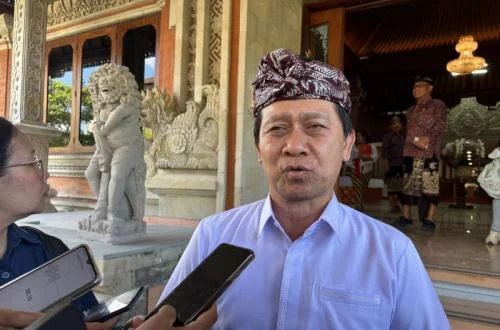
DENPASAR, Bali – Members of the Bali Regional People’s Representative Council (DPRD) are advocating for a crucial revision of the Regional Regulation (Perda) governing Subak, Bali’s revered traditional agricultural irrigation system. This proposed legislative overhaul aims to significantly boost financial assistance for the organizations responsible for preserving this ancient practice, a move deemed urgent amidst escalating concerns over the rapid depletion of rice paddy lands across the island. The initiative gained momentum following revelations of alarming rates of land conversion, threatening both Bali’s food security and its iconic cultural landscape.
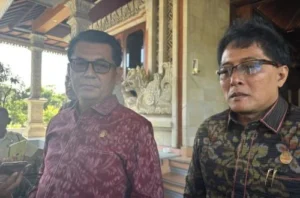
I Nyoman Suwirta, Chairman of Commission IV of the Bali DPRD, confirmed on Saturday in Denpasar that discussions on amending the Subak regulation are set to commence promptly. "We will begin deliberations on the revision of the Subak regional regulation first. Subsequently, for the 2027 Regional Budget (APBD), we will propose an increase in the assistance provided to Subak organizations," Suwirta stated, underscoring the urgency of the matter. The push for this revision is propelled by the increasingly widespread land conversion in Bali, which lawmakers argue has not been adequately addressed by existing policies or sufficient government attention, despite Subak’s pivotal role as a bedrock of food resilience and a cornerstone of Bali’s cultural tourism identity.
The Enduring Legacy of Subak: Bali’s Agricultural and Cultural Heart
To fully grasp the significance of the proposed Subak Perda revision, it is essential to understand the profound role of Subak in Balinese society. Subak is far more than just an irrigation system; it is a complex, democratic, and self-governing water management institution that has been meticulously maintained by farming communities for centuries. Rooted in the Balinese philosophical concept of Tri Hita Karana – the harmonious relationship between humans, God, and nature – Subak embodies a unique blend of spiritual, cultural, and ecological principles.
Its intricate network of canals, weirs, and temples reflects an ancient wisdom in water distribution, ensuring equitable access to water for all farmers within a particular watershed. Each Subak unit operates autonomously, guided by communal consensus and spiritual rituals performed at water temples (Pura Ulun Danu) dedicated to Dewi Sri, the goddess of rice and fertility. This system not only sustains rice cultivation but also fosters strong social cohesion among farmers, who collectively manage their resources and resolve disputes. In recognition of its outstanding universal value, Subak was inscribed as a UNESCO World Heritage site in 2012, specifically as part of the Cultural Landscape of Bali Province: the Subak System as a Manifestation of the Tri Hita Karana Philosophy. This international recognition underscores the global importance of preserving this living heritage, making the current threats to its existence even more pressing. The UNESCO designation highlights its unique contribution to sustainable agricultural practices and its embodiment of traditional ecological knowledge, which has allowed Balinese communities to thrive in harmony with their environment for over a thousand years.
Alarming Decline: Bali’s Shrinking Rice Paddies
The primary catalyst for the DPRD’s urgent action is the stark data revealing a significant and accelerating reduction in Bali’s rice paddy lands. According to figures from the National Land Agency (BPN) of Bali Province, the island witnessed a staggering loss of 6,521.81 hectares of rice fields between 2019 and 2024. This translates to a decrease from a total of 70,995.87 hectares in 2019 to just 64,474 hectares in 2024, representing a substantial 9.19 percent drop over a mere five-year period. On average, Bali is losing approximately 1.53 percent of its rice fields annually.
This rate of depletion is a grave concern for policymakers and environmentalists alike. If the current trend of land conversion remains unchecked, experts warn that the remaining rice fields in Bali could dwindle to critical levels within a few decades, jeopardizing the island’s long-term food security and fundamentally altering its landscape. The drivers behind this rapid conversion are multifaceted, primarily fueled by the burgeoning tourism sector and population growth. Uncontrolled development of hotels, villas, resorts, and related infrastructure, coupled with the expansion of residential areas for both local and migrant populations, exerts immense pressure on agricultural lands. The speculative buying of land, driven by the promise of high returns from development, often entices farmers to sell their ancestral lands, despite the cultural and economic implications. This economic pressure often outweighs the sentimental value or the long-term benefits of maintaining agricultural land.
The provincial government has attempted to counteract this trend by issuing Governor’s Instruction Bali Number 5 Year 2025 (the original article stated 2025, which might be a forward-looking instruction or a typo for 2024, but its intent is clear) strictly prohibiting the conversion of agricultural land. This instruction was intended as a proactive measure to safeguard the continuity of food-producing areas and preserve productive lands across Bali. However, the BPN data suggests that despite such policy instruments, the implementation and enforcement of these regulations have proven insufficient to halt the relentless pace of land conversion on the ground, indicating a significant disconnect between policy intent and practical outcomes. The challenge lies not just in issuing regulations but in creating a robust enforcement mechanism and providing compelling incentives for farmers to continue cultivating their lands.
Inadequate Financial Lifeline: Subak Funding Falls Short
Compounding the problem of land conversion is the perceived inadequacy of financial support for Subak organizations. The Special Financial Assistance (BKK) allocated to Subak, as stipulated in Bali Governor’s Regulation Number 61 Year 2025 concerning the Elaboration of the Universal Planned Regional Budget of Bali Province for the 2026 Fiscal Year, stands at a mere Rp15 million (approximately USD 950) per Subak unit. With 2,883 active Subak units remaining across Bali, this allocation is widely considered insufficient to meet the operational and maintenance needs of these vital organizations.
Furthermore, an analysis of historical funding reveals a troubling trend of decreasing support for Subak. In 2024, the BKK for Subak reached Rp50 million per unit, demonstrating a higher level of commitment. However, this amount subsequently declined to Rp25 million, then further to Rp10 million, before a modest increase to the current Rp15 million for 2026. This erratic and generally downward trend stands in stark contrast to the financial support provided to Desa Adat (Traditional Villages), which has seen a substantial increase from Rp250 million to Rp300 million per year. While Desa Adat plays a crucial role in preserving Balinese culture and social order, the disparity in funding raises questions about the government’s priorities and the perceived value of agricultural heritage compared to broader cultural governance.
The current funding level for Subak fails to address the multifaceted challenges faced by Balinese farmers and Subak administrators. These challenges include:
- Water Management: Increasing difficulties in managing water resources due to climate change impacts, upstream diversions for non-agricultural uses, and aging infrastructure requiring costly repairs.
- Fertilizer and Pest Control: Rising costs of agricultural inputs, including fertilizers and pesticides, coupled with the increasing prevalence of pest attacks that threaten crop yields. Farmers also face challenges in accessing sustainable and organic farming methods that might be less reliant on expensive external inputs.
- Market Prices: Unfavorable selling prices for agricultural produce, which often do not adequately compensate farmers for their labor, inputs, and the risks involved in farming. This makes agriculture a less attractive livelihood compared to other sectors.
- Youth Engagement: The dwindling interest among younger generations in pursuing farming as a profession, further exacerbated by low economic returns and the allure of other sectors like tourism.
DPRD Bali members emphasize that the guardians of Bali’s agriculture deserve significantly greater attention and support. They argue that Subak is not merely an agricultural system but an integral part of Bali’s tourism foundation, providing the iconic terraced rice fields that attract millions of visitors annually. The scenic beauty of these rice paddies is a core component of Bali’s global brand, yet their custodians struggle with basic operational needs.
According to Suwirta, a genuine commitment to Subak must manifest through robust budgetary support, comprehensive protection of agricultural lands from conversion, and the implementation of policies that genuinely motivate farmers. Such measures are crucial to encourage them to continue cultivating their lands despite the immense pressures from development and the relentless push for land conversion. This holistic approach would ensure that Subak can not only survive but also thrive, continuing its vital role in Bali’s ecological, cultural, and economic fabric.
Broader Implications and The Road Ahead
The potential decline of Subak and the continued shrinkage of rice fields carry far-reaching implications for Bali:
- Food Security Crisis: A reduced capacity for local food production would increase Bali’s reliance on external food sources, making the island vulnerable to supply chain disruptions, price fluctuations, and reduced food sovereignty. This could lead to higher food prices for residents and tourists alike.
- Erosion of Cultural Heritage: The loss of Subak would mean the loss of a living UNESCO World Heritage site, stripping Bali of a fundamental aspect of its identity and spiritual practices. The intricate rituals, communal governance, and traditional knowledge associated with Subak would gradually disappear, diminishing Bali’s unique cultural appeal.
- Environmental Degradation: Rice fields act as vital green spaces, regulating local microclimates, maintaining biodiversity, and recharging groundwater. Their conversion often leads to increased impermeable surfaces, exacerbating flood risks, reducing water absorption, and contributing to urban heat island effects. The loss of these ecosystems would severely impact Bali’s natural environment.
- Damage to Tourism Appeal: While tourism is a driver of land conversion, it also relies heavily on Bali’s natural beauty and cultural authenticity. The iconic terraced rice paddies are a significant draw for visitors seeking serene landscapes and cultural immersion. A Bali devoid of these scenic vistas would lose a substantial part of its allure, potentially impacting the very industry that fuels its development.
- Socio-Economic Disruption for Farmers: Farmers, who have for generations maintained these lands, face a bleak future if their livelihoods become unsustainable. This could lead to increased poverty in rural areas, forced migration to urban centers, and a breakdown of traditional community structures.
- Policy Challenges and Governance: The situation highlights a critical challenge in balancing economic development with environmental conservation and cultural preservation. It necessitates a more coherent and integrated approach to land use planning, with stronger enforcement mechanisms and incentives that genuinely support sustainable practices.
The DPRD’s push for a revised Subak Perda is therefore not merely a legislative adjustment; it is a critical intervention aimed at safeguarding the very essence of Bali. The legislative process will involve extensive discussions, public hearings, and potentially, robust debates between various stakeholders with competing interests – developers, farmers, environmental groups, and tourism operators. The success of this revision will depend on the political will to prioritize long-term sustainability over short-term economic gains, ensuring that the spirit of Tri Hita Karana continues to guide Bali’s development path. The future of Bali’s iconic landscapes, its food security, and its cultural identity hinges on the effectiveness of these efforts to protect and empower its Subak system.
This content was processed with the assistance of AI.
Source: Antara
Related posts: