Samsung Galaxy Unpacked 2026 Unveils Next-Generation Foldables and AI Integration for Android Developers

The landscape of mobile computing underwent a significant transformation on July 22, 2026, as Samsung electronics officially unveiled its latest lineup of foldable and wearable devices during the Galaxy Unpacked event. The announcement, centered on the flagship Galaxy Z Fold8 and the introduction of Wear OS 7, marks a pivotal shift in how hardware and software must interact to meet the demands of an increasingly diverse device ecosystem. For the global developer community, the release represents more than just new hardware; it signifies a move toward landscape-first natural orientations, ultra-wide aspect ratios, and the deep integration of on-device generative artificial intelligence through Gemini Nano 4.
The primary challenge highlighted during the event involves the move away from traditional smartphone dimensions. With the Galaxy Z Fold8, Samsung has introduced a display that favors a wider aspect ratio in its primary unfolded state, effectively challenging the long-held developer assumption that mobile apps should prioritize portrait-mode architecture. As these devices become more prevalent, the Android team at Google, represented by Senior Product Manager Fahd Imtiaz and Developer Relations Engineer Miguel Montemayor, has issued comprehensive guidance to ensure that the transition between cover screens, main displays, and wearable interfaces remains seamless for the end user.
The Evolution of Foldable Architecture and Landscape-First Design
The introduction of the Galaxy Z Fold8 introduces a hardware profile characterized by an ultra-wide display and a landscape-first natural orientation. Unlike previous iterations that functioned primarily as elongated portrait devices when unfolded, the 2026 flagship encourages a tablet-like utility from the moment it is opened. This shift necessitates a fundamental rethinking of layout architecture. Developers are being urged to move away from hardcoded layout rules and instead adopt responsive UI frameworks that can handle dynamic physical transitions.
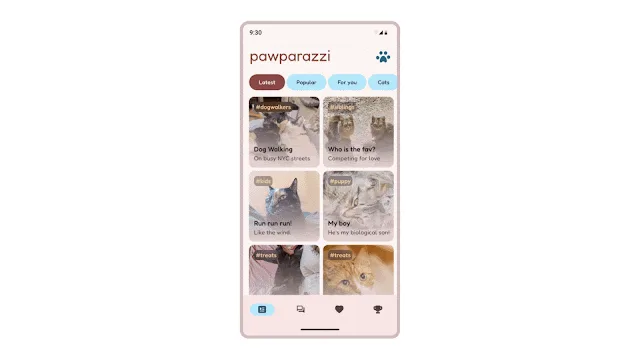
To assist in this transition, Google has released dedicated guidance for "landscape foldables" and "trifolds." This guidance focuses on core pillars of adaptive design, such as window size classes and sliding pane layouts. By utilizing these tools, apps can automatically reposition navigation elements and content density based on the available screen real estate. This is particularly critical for the Galaxy Z Fold8, where the expanded aspect ratio can cause "letterboxing" or awkward stretching if the software is not optimized for ultra-wide viewing.
Industry analysts suggest that this move toward wider foldables is a direct response to consumer demand for better multitasking and media consumption. By providing a wider canvas, Samsung is positioning the Fold8 as a legitimate replacement for small-form-factor tablets, provided the software ecosystem can keep pace with the hardware’s physical capabilities.
.png)
Resolving Technical Hurdles in Camera Implementation
One of the most complex technical hurdles identified by developers working on foldable platforms is the management of camera previews. The physical act of unfolding a device like the Galaxy Z Fold8 introduces unique hardware quirks, such as moving from a compact outer display to an expanded inner display. This transition often changes the layout aspect ratio while the device’s physical rotation remains static.
According to technical documentation released alongside the event, apps that assume a fixed portrait relationship between the camera sensor and the UI layout are prone to experiencing "sideways" or "stretched" previews during folding transitions. To mitigate this, Google is advocating for a wholesale migration to the CameraX library. CameraX includes a "PreviewView" component designed to automatically handle sensor orientation, device rotation, and scaling behind the scenes.
For legacy applications maintaining older Camera2 codebases, the introduction of the CameraViewfinder library offers a middle ground. This library allows developers to apply complex aspect ratio and rotation transformations without requiring a total overhaul of the app’s media pipeline. These updates are essential for ensuring that the high-resolution optics of the Galaxy Z Fold8 are fully utilized without software-induced distortion.
Wear OS 7 and the Expansion of Glanceable Interactions
The Galaxy Unpacked event also served as the launchpad for Wear OS 7, the latest iteration of Google’s wearable operating system. A key feature of this release is the introduction of "Wear Widgets," a new surface designed to provide users with instant, glanceable access to information. These widgets are built using Jetpack Glance and RemoteCompose, frameworks that allow for highly expressive and data-rich interfaces on a small screen.
Crucially, Wear OS 7 breaks down previous barriers by allowing third-party widgets to populate multi-widget tiles. In earlier versions of the OS, these premium "slots" were often reserved for first-party system applications. By opening this space to the broader developer community, Samsung and Google are encouraging a more vibrant ecosystem where users can customize their watches with specific tools for productivity, fitness, and communication.
The shift toward glanceable interactions reflects a broader trend in wearable technology where the goal is to minimize "screen time" while maximizing "information density." Developers are encouraged to design experiences that require minimal touch interaction, relying instead on high-contrast visuals and automated updates.

On-Device Intelligence with Gemini Nano 4
Perhaps the most forward-looking aspect of the Galaxy Z Fold8 release is the inclusion of Gemini Nano 4, Google’s latest on-device generative AI model. Unlike cloud-based AI, Gemini Nano 4 processes data locally on the device, which offers significant advantages in terms of latency, privacy, and offline functionality.
The Nano 4 model boasts support for over 140 languages and enhanced multimodal understanding, meaning it can process text, images, and audio simultaneously. For developers, this opens up new possibilities through ML Kit’s Prompt API. Specifically, the introduction of "structured output" and "thinking mode" allows apps to generate more logical, step-by-step responses and format data in ways that are easily readable by other software components.
The integration of Gemini Nano 4 into the Samsung ecosystem is seen as a strategic move to differentiate the Galaxy lineup from competitors. By leveraging on-device AI, Samsung can offer features like real-time translation, advanced photo editing, and proactive scheduling without the need for a constant internet connection. This also addresses growing consumer concerns regarding data privacy, as sensitive information does not need to leave the device for processing.
Chronology of the Foldable Revolution (2019–2026)
The path to the Galaxy Z Fold8 has been marked by rapid iteration and significant engineering breakthroughs. To understand the importance of the 2026 launch, it is necessary to look at the timeline of foldable development:
- 2019: Samsung releases the original Galaxy Fold, introducing the concept of a foldable display to the mass market. Early challenges with screen durability and software optimization highlight the need for a dedicated foldable UI.
- 2021: The release of the Galaxy Z Fold3 introduces water resistance and S Pen support, signaling that foldables are moving toward mainstream durability standards.
- 2022: Google releases Android 12L, the first version of the operating system specifically optimized for large screens and foldables, introducing the taskbar and improved split-screen multitasking.
- 2024: The Galaxy Z Fold6 focuses on reducing weight and thickness, making the device comparable to standard flagship phones in terms of portability.
- 2025: On-device AI begins to take center stage with the integration of early Gemini models, setting the stage for the multimodal capabilities of 2026.
- 2026: The Galaxy Z Fold8 arrives with a landscape-first orientation and Wear OS 7, marking the maturity of the foldable ecosystem as a distinct category of computing.
Market Implications and Official Responses
The reaction from the tech industry has been largely positive, with developers praising the clarity of the new guidelines. Industry analysts at major firms have noted that Samsung’s dominance in the foldable market—which currently holds approximately 65% of the global market share—gives it the leverage to dictate new design standards like the landscape-first orientation.
"The Galaxy Z Fold8 isn’t just another phone; it’s a signal to the industry that the ‘standard’ smartphone form factor is no longer the sole priority," said one lead developer at a major social media firm. "With the tools Google has provided, we can finally stop treating foldables as an afterthought and start building for them as a primary platform."

Official statements from Samsung executives emphasized the collaborative nature of this release. "Our partnership with Google has allowed us to bridge the gap between hardware innovation and software utility," a Samsung spokesperson stated. "By providing developers with the tools to build adaptively, we ensure that our users have access to a premium experience the moment they unfold their device."
Broader Impact and the Future of Adaptive Apps
The long-term implications of the Galaxy Unpacked 2026 event extend beyond Samsung’s product line. The push for "adaptive-first" development is expected to influence the entire Android ecosystem. As other manufacturers like Google, Motorola, and various international brands release their own foldables and trifolds, the standardized guidance provided for the Fold8 will serve as the blueprint for the industry.
Furthermore, the emphasis on on-device AI through Gemini Nano 4 suggests a future where mobile apps are not just passive tools, but proactive assistants. By sharing app capabilities with the intelligence system, developers can allow the OS to perform tasks on the user’s behalf, such as summarizing long documents, drafting emails based on context, or automating complex workflows across multiple apps.
As the mobile industry moves toward this more integrated and intelligent future, the message to developers is clear: the era of static, one-size-fits-all application design has ended. The future belongs to adaptive, AI-driven experiences that can fluidly transition between the wrist, the pocket, and the palm of the hand. With the launch of the Galaxy Z Fold8 and Wear OS 7, that future has officially arrived.