React Native 0.79 Officially Released Bringing Significant Performance Enhancements and Architectural Modernization

The React Native team has officially announced the release of version 0.79, marking a substantial milestone in the framework’s ongoing evolution toward improved performance, tighter architectural standards, and modernized development workflows. This update represents the culmination of months of development, incorporating over 944 commits from a global community of 100 contributors. As the mobile development landscape shifts toward higher performance expectations and more rigorous code standards, version 0.79 introduces critical changes to build times, native module registration, and the underlying JavaScript engine infrastructure.
The Performance Imperative: Metro and Android Startup Times
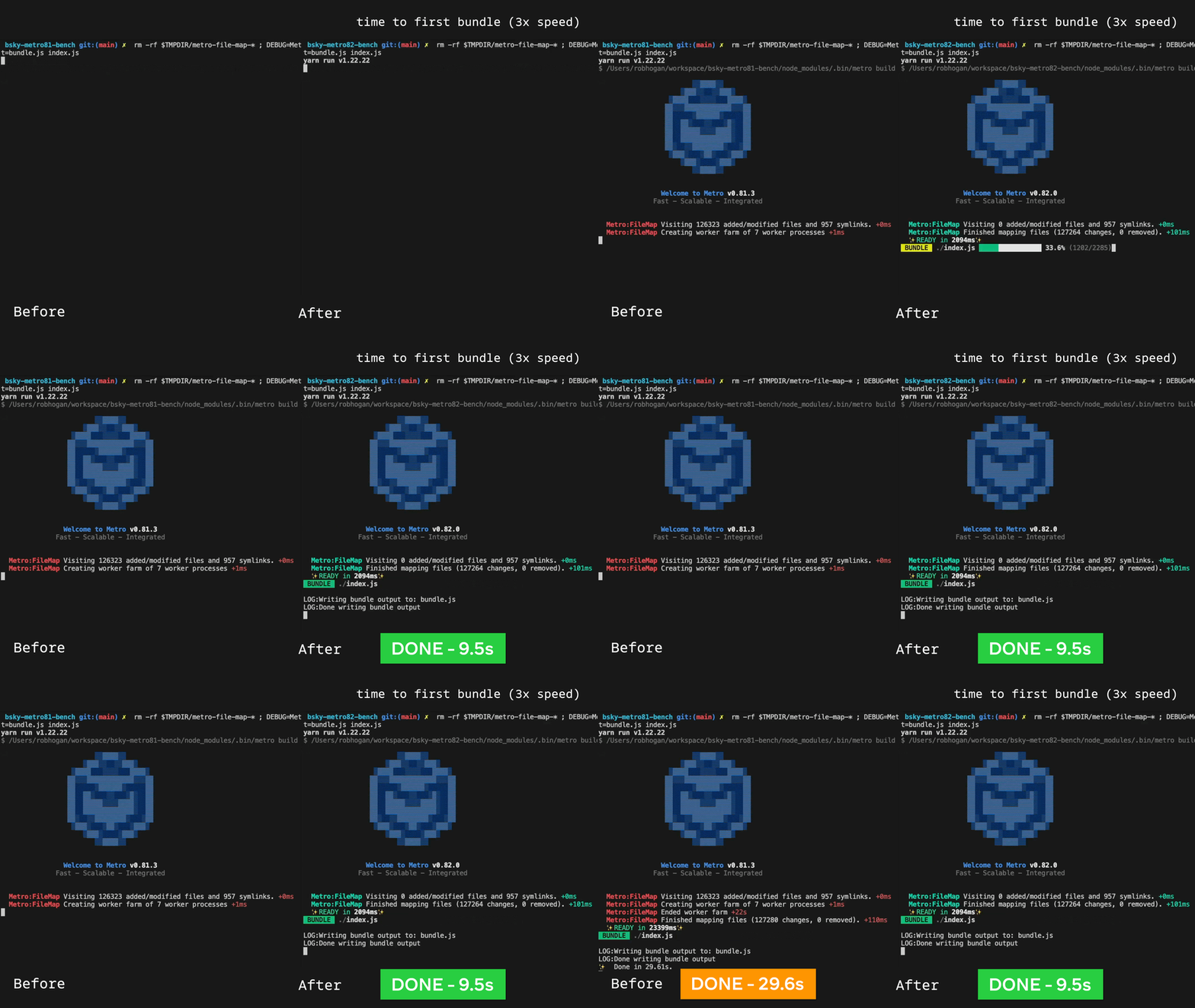
Central to the 0.79 release is a concerted effort to address two of the most common pain points for mobile developers: the time required to initiate a development environment and the time-to-interactive (TTI) metrics on Android devices. By upgrading to Metro 0.82, the build tool responsible for bundling React Native projects, developers can now leverage deferred hashing. This technical optimization reduces the overhead of the initial yarn start command by over 300 percent, particularly in large-scale monorepo architectures. By deferring the hashing process until strictly necessary, the development feedback loop is significantly tightened.
On the Android front, the team has implemented a departure from traditional JavaScript bundle compression within the APK. Previously, the Android operating system was required to decompress the bundle at runtime, an operation that imposed a measurable latency penalty. By shipping the bundle uncompressed, the framework achieves a lower TTI. Internal benchmarks conducted by the development team at Margelo on the Discord mobile application demonstrated a 400-millisecond reduction in TTI, translating to a 12 percent speed improvement on entry-level hardware like the Samsung A14. While this change necessitates a larger APK footprint, it effectively optimizes for user experience at the cost of storage, with developers retaining the ability to revert to compressed bundles via the enableBundleCompression flag in the build.gradle configuration.
Architectural Shifts and the Lean Core Initiative
Version 0.79 continues the “Lean Core” initiative, a long-term project aimed at reducing the size of the framework’s primary distribution by moving legacy components and engines into separate, community-maintained packages. Most notably, the JavaScriptCore (JSC) engine is being transitioned to the @react-native-community/javascriptcore repository. This migration is designed to allow for more frequent updates to the engine, independent of the main React Native release cycle. While users already utilizing Hermes—the default engine for React Native—will remain unaffected, the shift provides a clearer path for those relying on JSC to receive security patches and performance upgrades.
Furthermore, the release introduces a standardized approach to Native Module registration on iOS. By modifying the package.json file to include a modulesProvider field, developers can now streamline how native modules are registered, effectively removing the requirement to manually edit the AppDelegate. This change specifically resolves a previously problematic limitation introduced in version 0.77, where pure C++ Native Modules faced compatibility hurdles when integrated with Swift-based AppDelegate files. This unification ensures that both library maintainers and application developers can rely on a consistent, Codegen-driven registration process.
Modernizing the JavaScript Ecosystem
In alignment with current industry standards, React Native 0.79 marks the transition of internal modules from the older module.exports syntax to the more modern export statement. This modernization impacts approximately 46 APIs and is part of a broader strategy to phase out deep imports. The project leads have issued a strong recommendation that developers transition to root-level imports from the 'react-native' package. This change is intended to stabilize the framework’s public API surface, making future updates less disruptive and more predictable.

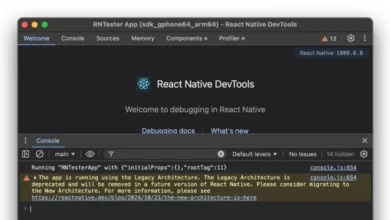
The removal of the Remote JS Debugging tool via Chrome signals the end of a legacy debugging era. The team has officially pivoted support toward React Native DevTools, a move that renders the third-party react-native-debugger tool incompatible with the latest version. This shift is part of a strategic effort to consolidate the debugging experience and ensure that developers utilize modern, supported interfaces. For those requiring advanced debugging capabilities, such as Redux DevTools, the framework now points toward Expo DevTools Plugins as the preferred ecosystem-compliant solution.
Historical Context and Chronological Development
The path to 0.79 has been defined by a focus on "New Architecture" readiness. Since the introduction of the TurboModules and Fabric systems in previous iterations, the team has systematically addressed the friction points inherent in migrating legacy codebases. The support for package.json "exports" and "imports," which had been in a testing phase since version 0.72, is now officially stable. This enables developers to utilize standards-compliant project structures that improve compatibility with modern npm dependencies.
However, this transition is not without its challenges. The shift to strict package exports has created temporary incompatibilities with several popular third-party libraries, including Firebase and AWS Amplify. The React Native team has acknowledged these issues and is currently collaborating with these maintainers to implement upstream fixes. This situation highlights the inherent tension between modernizing a large-scale framework and maintaining backward compatibility with a vast, heterogeneous ecosystem of community-developed plugins.
Strategic Implications for the Industry
The release of 0.79 carries significant implications for the professional React Native developer. First, the reduction in startup time and build overhead is a direct response to the demands of modern enterprise development, where build times in CI/CD pipelines directly impact developer productivity and operational costs. Second, the push toward a unified, Codegen-based native module registration reflects a mature framework that is prioritizing stability and predictability over "magic" configuration scripts.
From an organizational perspective, the transition of JSC to a community-managed entity and the formal deprecation of deep imports suggest that React Native is reaching a level of maturity where its maintainers are aggressively trimming "technical debt." By forcing these changes now, the team is effectively future-proofing the framework against the inevitable shift toward newer JavaScript standards and tooling.
Looking Ahead: Support and Upgrading
With the arrival of 0.79, version 0.76.x has reached its end-of-life status. Organizations currently running on 0.76 are advised to begin the migration process, utilizing the React Native Upgrade Helper to identify the specific code changes required for their unique configurations. Expo developers can anticipate that version 0.79 will serve as the foundation for the forthcoming Expo SDK 53, further signaling the industry’s alignment behind these latest architectural improvements.
The release of React Native 0.79 is more than a collection of bug fixes; it is a declaration of the project’s long-term trajectory. By prioritizing build efficiency, standardizing native module registration, and cleaning up the internal API surface, the contributors have laid the groundwork for a more robust and scalable framework. While the transition will require effort from the community to resolve breaking changes, the resulting improvements in performance and developer experience position React Native to remain the dominant choice for cross-platform mobile development in the years to come.
Related posts: