Strategies for Maintaining Indoor Air Quality Amidst Rising Urban Pollution Levels

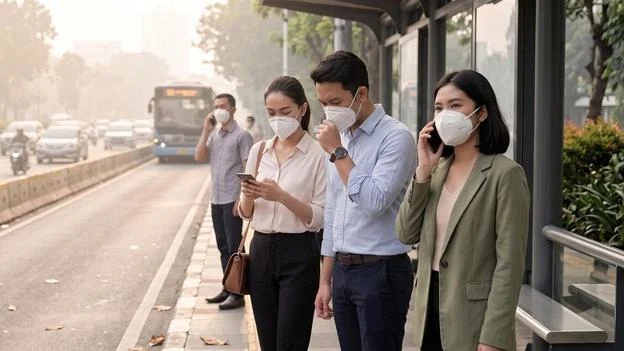
The escalating crisis of air pollution has transformed from a localized environmental nuisance into a significant public health challenge in major urban centers globally. As metropolitan areas grapple with a dense cocktail of pollutants—ranging from vehicular emissions and industrial discharge to biomass burning and seasonal agricultural fires—the quality of air has become a primary concern for residents. While the instinctive reaction during episodes of poor air quality is to seek refuge indoors, empirical evidence suggests that the domestic environment is not an impenetrable sanctuary. The transition from outdoor to indoor air quality management requires a multi-faceted approach, combining behavioral adjustments with advanced technological interventions.
The Anatomy of Indoor Air Contamination
Historically, the focus of air quality discourse has been on outdoor atmospheric conditions. However, the World Health Organization (WHO) has increasingly highlighted that indoor air pollution can be as detrimental, if not more so, than outdoor levels, given the amount of time individuals spend within enclosed spaces. The infiltration of particulate matter (PM2.5 and PM10), nitrogen dioxide, and volatile organic compounds (VOCs) occurs through multiple pathways.
The "tight building syndrome," a byproduct of modern architectural designs intended for energy efficiency, often prevents adequate air exchange, trapping pollutants within living spaces. Even in traditional households, microscopic particles enter through door gaps, window seals, and ventilation ducts. Furthermore, indoor activities—such as cooking with gas, the use of cleaning chemicals, the presence of pets, and the shedding of fibers from furniture—contribute significantly to the degradation of indoor air. When external pollution levels are high, the concentration of these particles becomes magnified, leading to a cumulative health risk for occupants.
Chronology of the Current Pollution Crisis
The urgency of this issue is underscored by recent data trends. Over the past decade, urban centers have witnessed a consistent uptick in pollutants during transition seasons. For instance, the onset of dry seasons often brings with it transboundary haze from land clearing and forest fires, which exacerbate existing vehicular pollution.
In early 2024, meteorological agencies reported that stagnant wind conditions in several major cities trapped particulate matter near ground level for prolonged periods. This atmospheric entrapment forced authorities to issue public health advisories, urging residents to limit outdoor exposure. However, as the news reports highlighted, the closure of windows and doors—while reducing the intake of outdoor smog—resulted in a rise in indoor CO2 levels and the accumulation of household allergens. This shift has necessitated a move from passive avoidance to active air management.
Establishing Protective Behavioral Protocols
To mitigate the health risks posed by poor indoor air, experts recommend a systematic approach to environmental control. The first line of defense is the adoption of personal protective measures, even within the home.
1. Personal Respiratory Protection
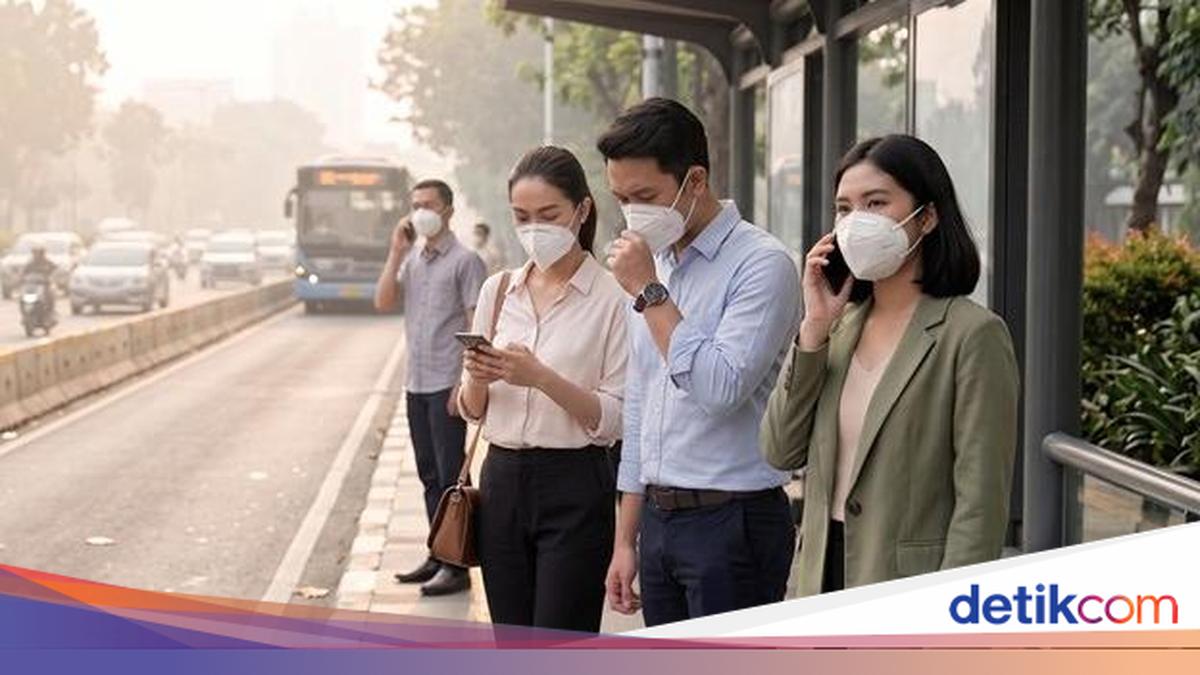
While masks are typically associated with outdoor transit, their utility in indoor environments is gaining recognition, particularly for vulnerable populations such as the elderly, children, and those with pre-existing respiratory conditions. When an individual is unwell, wearing a mask within the home can prevent the spread of pathogens, effectively managing the "indoor biological load" alongside chemical pollutants.
2. Sanitation and Surface Hygiene
Particulate matter is rarely contained within the air column; it eventually settles on surfaces. High-traffic areas, furniture, and flooring act as reservoirs for dust, soot, and chemical residues. Implementing a "wet cleaning" protocol—using damp cloths instead of dry dusting—prevents particles from becoming re-aerosolized during the cleaning process. Furthermore, the practice of removing footwear and changing outerwear immediately upon entering the home serves as a critical barrier to bringing outdoor contaminants into the domestic sphere.
3. Strategic Ventilation Management
The conventional wisdom of "opening windows for fresh air" must be reconsidered based on real-time Air Quality Index (AQI) data. Modern air quality monitoring apps provide granular data that should guide ventilation habits. If local AQI levels are categorized as unhealthy, the primary strategy should be to minimize air exchange with the outside, while relying on mechanical filtration systems to maintain air turnover.
Technological Solutions: The Role of Air Purification
When passive measures are insufficient to maintain a healthy environment, mechanical intervention becomes necessary. High-efficiency air purifiers have evolved from luxury appliances into essential domestic infrastructure.
The mechanism of modern air purifiers, such as those utilizing multi-stage filtration, is designed to address the limitations of natural ventilation. Systems that incorporate HEPA (High-Efficiency Particulate Air) filtration are capable of capturing 99.97% of particles as small as 0.3 microns, effectively scrubbing the air of dust, pollen, mold spores, and bacteria.
Industry leaders, such as Daikin, have integrated advanced technologies like "Streamer" discharge into their units. This technology utilizes plasma discharge to decompose harmful substances—including viruses, bacteria, and allergens—trapped on the filter. This dual-action approach—physical capture through electrostatic HEPA filters and molecular decomposition through streamer technology—ensures that the air recirculated into the room is not just filtered, but actively sanitized.
Data-Driven Performance: A Case Study in Efficiency
The efficacy of these devices depends heavily on their capacity to handle specific room volumes. For instance, models engineered for medium-sized spaces (up to 41 square meters) utilize powerful intake systems that prioritize low-level air circulation. This is particularly relevant for families with infants or pets, as the highest concentration of heavy, non-gaseous particles often accumulates within 30 centimeters of the floor.
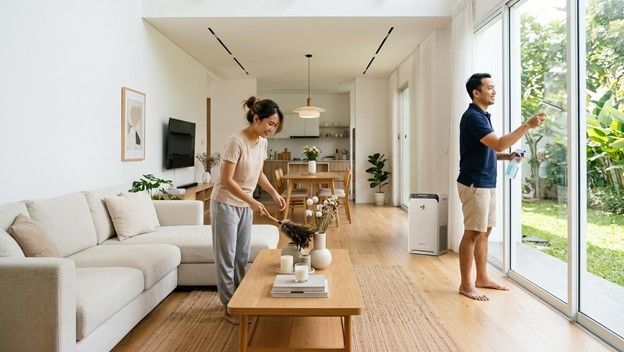
Advanced units also incorporate smart sensors that monitor the real-time presence of PM2.5 and odors. The "Auto Mode" feature allows the device to calibrate its fan speed based on current pollution levels, balancing energy consumption with the need for immediate air cleaning. Conversely, "Econo" modes facilitate ultra-quiet operation during sleeping hours, maintaining air quality without disrupting the domestic environment.
Implications for Public Health and Urban Living
The broader implication of this shift is the realization that health equity is increasingly tied to the ability to control one’s indoor environment. As urban pollution persists as a structural problem, the reliance on household air management systems is likely to grow.
From a policy perspective, architects and urban planners are now considering "ventilation-on-demand" systems in new building codes to ensure that mechanical filtration is integrated into residential design from the outset. Until such infrastructure becomes standard, individual households must remain vigilant, utilizing available technology and consistent cleaning habits to bridge the gap between unhealthy external environments and the necessity of a safe indoor sanctuary.
Conclusion: A Proactive Stance
Maintaining indoor air quality is no longer a passive state but a continuous process of management. By integrating simple habits—such as monitoring local AQI, practicing rigorous surface hygiene, and employing advanced air purification technology—households can significantly reduce their exposure to the growing threat of urban pollution.
While the cost of high-end purification units, often ranging between $200 and $300 USD (or equivalent in local currencies), represents an investment, it must be viewed as a necessary expenditure for long-term health. As urban centers continue to expand and environmental challenges persist, the home must be equipped to serve its primary purpose: providing a secure, breathable, and healthy environment for its occupants. The future of domestic well-being lies in the synthesis of human behavior and smart technology, ensuring that even when the air outside is compromised, the air within remains a pillar of health.