AWS Continuum for code vulnerabilities launches to automate security remediation and bridge the gap between detection and deployment.

The modern software development lifecycle is currently facing a dual-pronged crisis: an unprecedented surge in application complexity and a corresponding explosion in the volume of security vulnerabilities. As organizations accelerate their deployment cadences, the traditional approach to vulnerability management—characterized by manual triage, spreadsheet-based tracking, and siloed communication—has become increasingly untenable. Today, Amazon Web Services (AWS) addressed this industry-wide bottleneck with the general availability of AWS Continuum, a sophisticated security service designed to move beyond simple detection by automating the validation and remediation of code vulnerabilities.
The Evolution of Vulnerability Management
For years, cybersecurity teams have relied on static and dynamic analysis tools that generate thousands of alerts, the vast majority of which are "noise." Industry benchmarks suggest that security engineers spend upwards of 70% of their time filtering false positives, unreachable code paths, or vulnerabilities already mitigated by existing runtime defenses. This "alert fatigue" creates a dangerous blind spot where critical threats are buried under a mountain of non-exploitable findings.

The introduction of AWS Continuum represents a strategic shift in the AWS security portfolio. Rather than merely acting as another scanner, the service functions as an orchestration layer that synthesizes code repository data with real-time AWS infrastructure telemetry. By building a comprehensive context graph, Continuum distinguishes between a theoretical vulnerability—one that might be found in a dormant code block—and an actively exploitable path that poses a genuine risk to a production environment.
Chronology and Operational Framework
The development of AWS Continuum follows a broader industry trend toward "security as code." As threat actors leverage frontier artificial intelligence models to convert vulnerability disclosures into functional exploit code in a matter of minutes, the window for manual intervention has shrunk significantly.
The service operates on a multi-stage validation pipeline:

- Context Collection: Users deploy a collector within their specific AWS Region and account. This collector ingests data from AWS Config, network topology maps, and IAM configurations to understand how code resides within the broader infrastructure.
- Graph Construction: The service maps dependencies between services, identifies business-critical assets—such as payment gateways or PII-sensitive databases—and evaluates the attack surface.
- Exploitability Analysis: Using proprietary modeling, the service determines if a code vulnerability is actually reachable over the network.
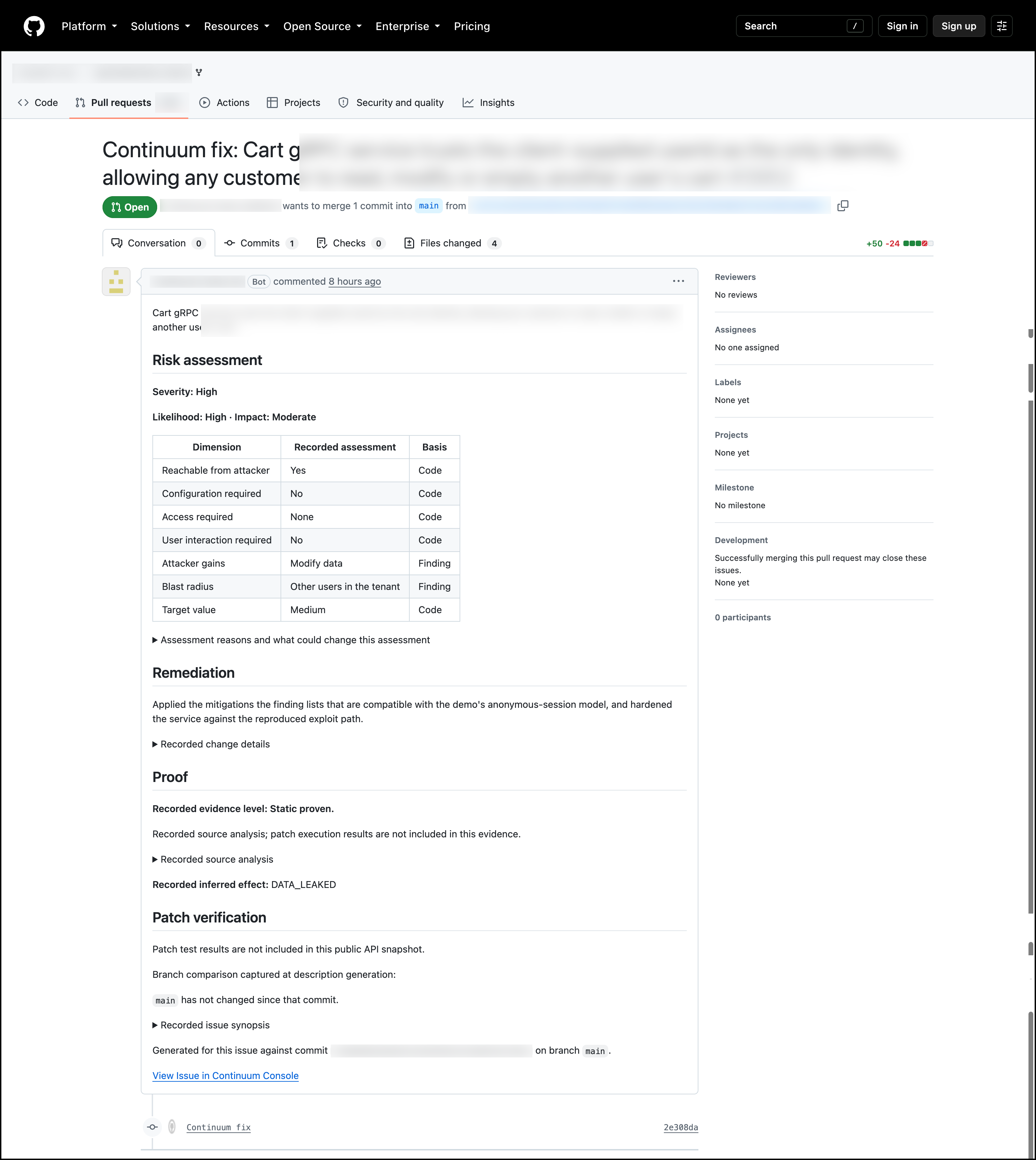
- Automated Remediation: For validated threats, the system generates a pull request containing a specific fix, whether it be a dependency patch, a configuration tweak, or a code change.
This workflow is designed to respect the traditional developer-led deployment model. By presenting the fix as a pull request, the system ensures that security teams and developers maintain final oversight, preserving the "human-in-the-loop" requirement that remains a gold standard in enterprise risk management.
Data-Driven Risk Assessment
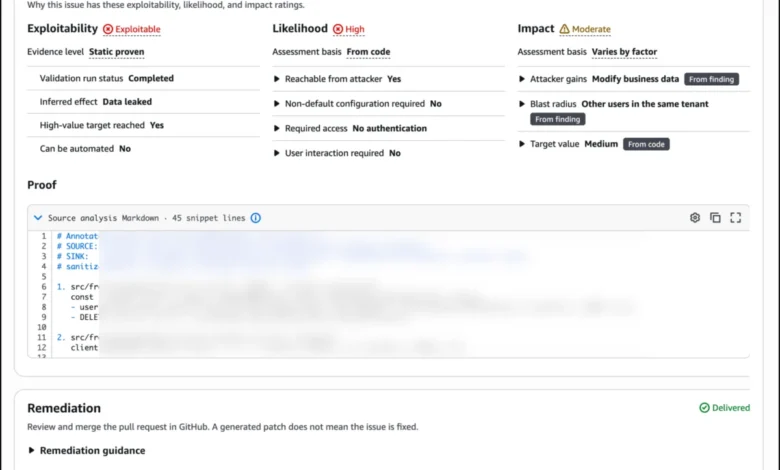
What distinguishes AWS Continuum from legacy tools is its move toward evidence-based reporting. Instead of relying on generic Common Vulnerability Scoring System (CVSS) scores—which often lack environmental context—Continuum provides a "blast radius" assessment.
For instance, a vulnerability that would traditionally be marked as "Critical" due to its nature might be downgraded by Continuum if the service determines the system is isolated from the internet and holds no sensitive data. Conversely, a "Medium" severity issue could be elevated to "High" if the service identifies an unauthenticated attack path that leads directly to a customer-facing authentication microservice. This prioritization methodology allows security operations centers (SOCs) to focus their limited resources on the threats that actually impact the bottom line.
Implications for the DevSecOps Pipeline
The release of AWS Continuum arrives at a critical juncture for cloud-native enterprises. As organizations scale their infrastructure across hundreds of accounts and thousands of microservices, the cost of coordination between security, infrastructure, and application development teams has become a significant overhead.
By providing a unified console where developers can see both the vulnerability and the proposed fix—including proof-of-concept code and reproduction steps—AWS is attempting to eliminate the friction that causes security patches to languish in backlogs for weeks or months. Industry analysts suggest that this shift could reduce the "mean time to remediate" (MTTR) by as much as 60-80% in large-scale environments.
Furthermore, the long-term roadmap for the service points toward autonomous remediation. While the service currently requires human approval for all pull requests, AWS has signaled that future iterations will allow for "confidence gates." Under this model, if a specific class of remediation has a high historical success rate and sufficient test coverage, the system could eventually be authorized to apply patches automatically, effectively creating a self-healing infrastructure.
Industry Context and Strategic Positioning
The launch of AWS Continuum aligns with the ongoing maturation of the "Cloud Security Posture Management" (CSPM) and "Application Security Testing" (AST) markets. AWS is clearly positioning this service to compete with third-party security platforms by offering deep integration with the underlying AWS fabric. Because Continuum understands the AWS environment better than a third-party tool—which often has to rely on API calls that can be throttled or blocked—it can provide a more granular and reliable assessment of network reachability.
For the enterprise, the implications are profound. The ability to verify whether a vulnerability is "static proven" provides legal and compliance teams with the audit trail necessary to justify why certain risks were accepted or why others were prioritized. This evidentiary approach reduces the ambiguity that often plagues security compliance audits.
Implementation and Regional Availability
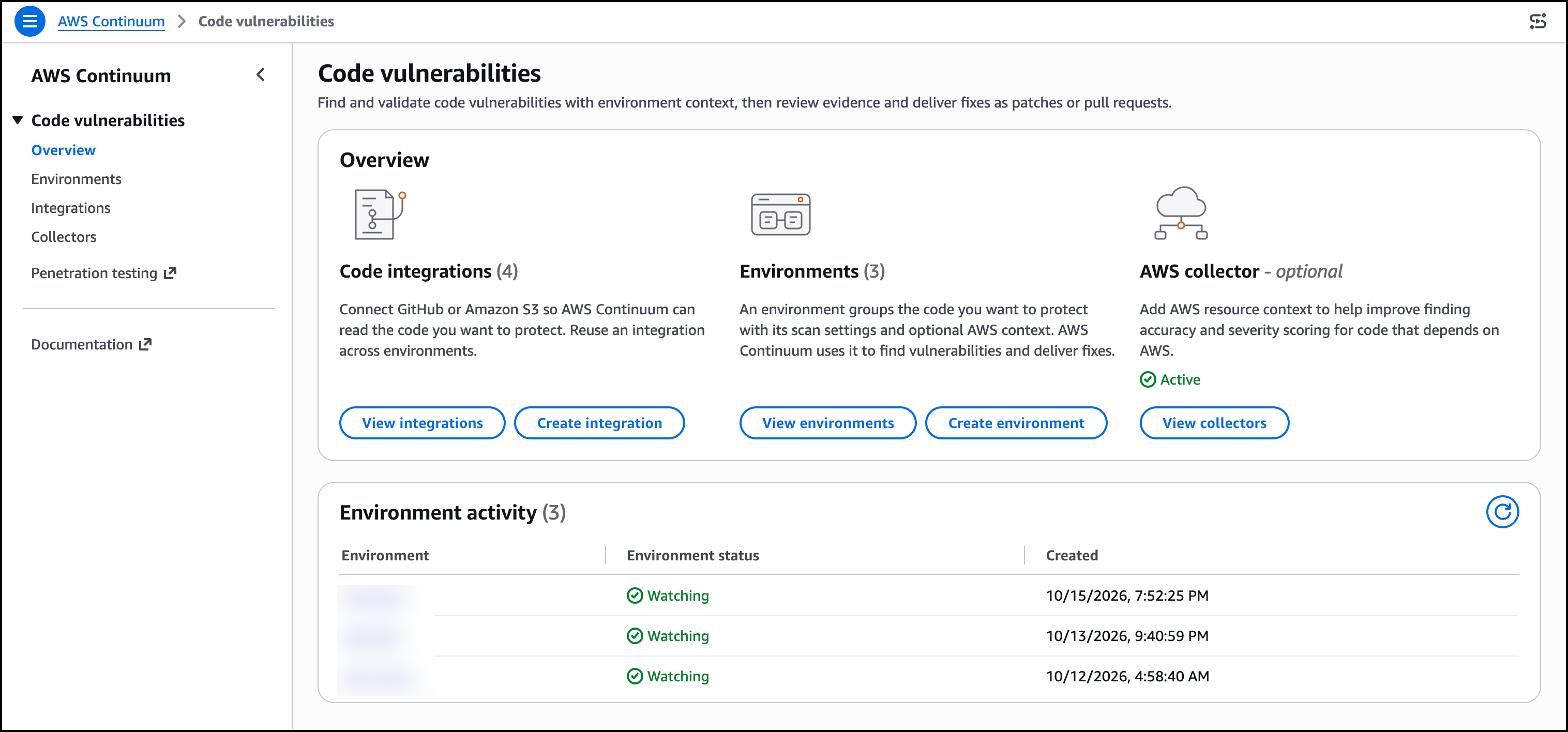
AWS Continuum is currently available in the US East (N. Virginia) and US West (Oregon) Regions. Implementation requires connecting the service to a GitHub repository or an Amazon S3 bucket. The setup process is designed to be low-friction, requiring an IAM role that allows the service to read the code and, optionally, an AWS collector to monitor infrastructure context.
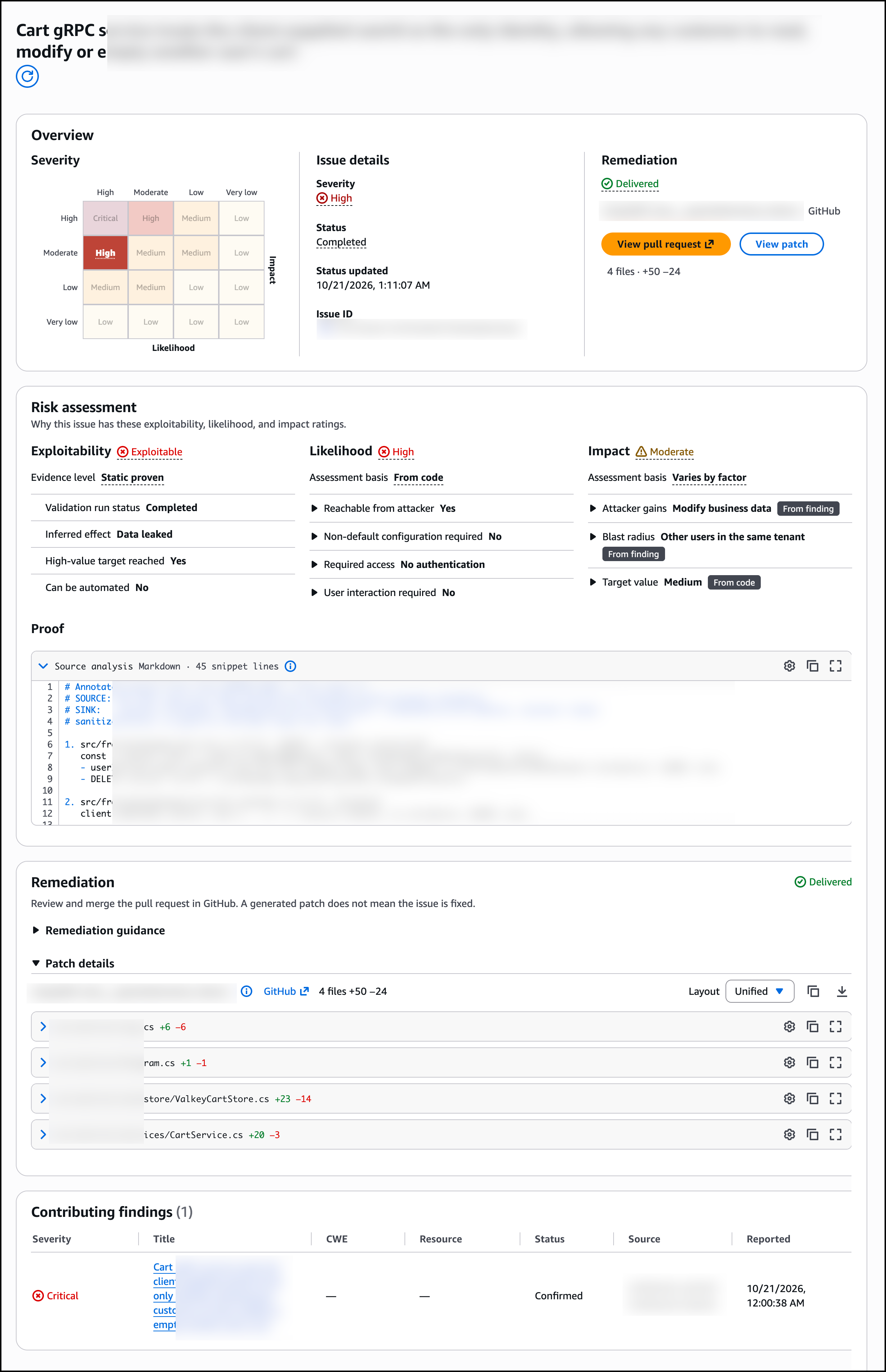
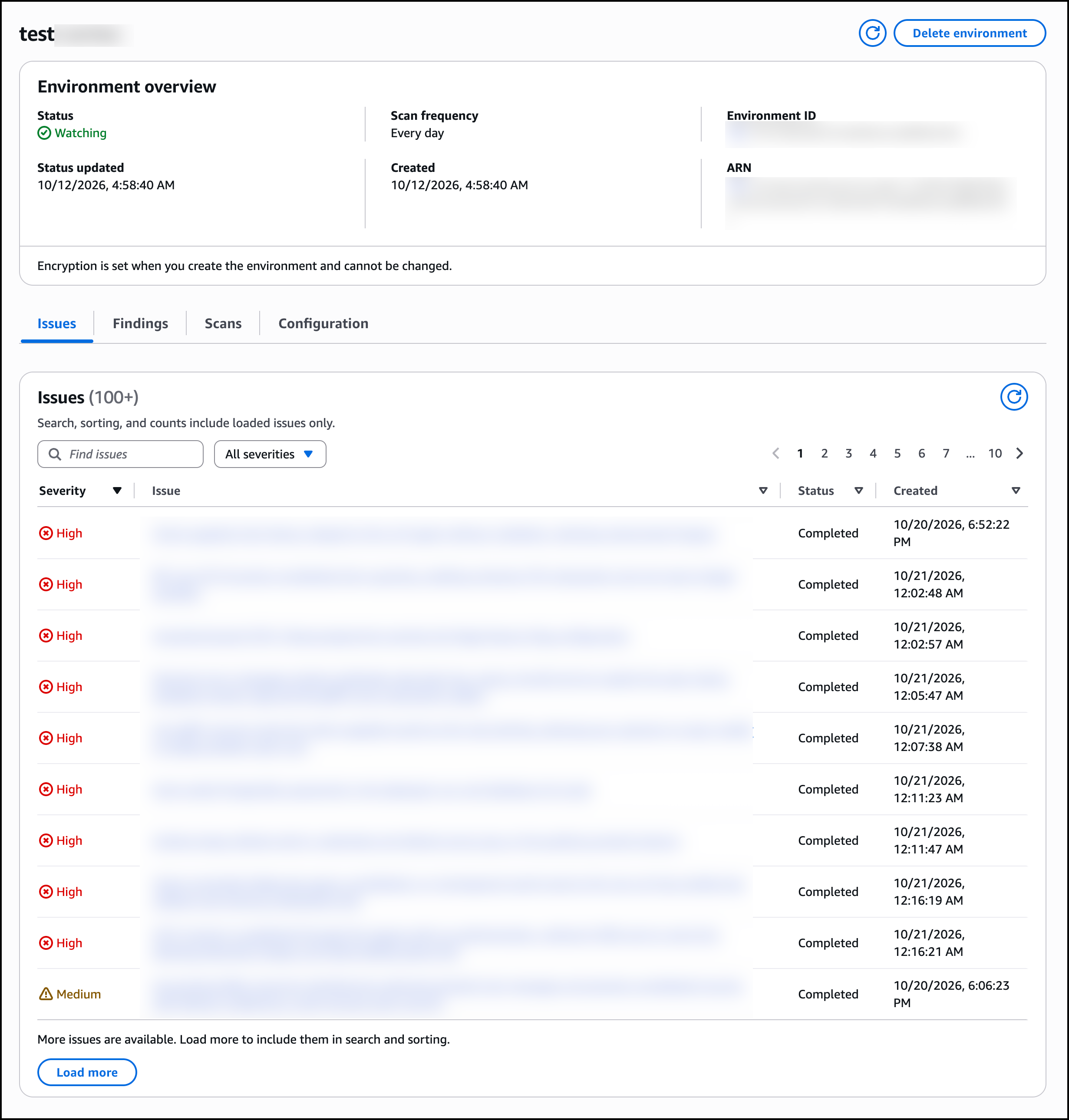
Once active, the dashboard provides a high-level overview of the entire application estate. The "Issues" tab functions as the primary workspace, where users can drill down into specific vulnerabilities, review the risk assessment (which includes exploitability, likelihood, and impact), and inspect the generated pull request before merging.
Future Outlook and Ethical Considerations
While the automation of vulnerability remediation is a significant boon for operational efficiency, it also introduces new considerations. The reliance on AI to generate patches requires that organizations maintain robust testing suites. If the underlying code lacks sufficient unit or integration testing, an automated patch—even one generated by an advanced model—could potentially introduce regressions or break existing functionality.
Consequently, AWS’s decision to keep the "human-in-the-loop" model for the initial release is a prudent one. It allows organizations to build confidence in the tool’s output, audit the quality of the generated code, and refine their internal CI/CD pipelines before moving toward more autonomous workflows.
As the industry moves forward, the success of AWS Continuum will likely be measured by its ability to integrate into existing developer workflows without causing "tool fatigue." If the service can indeed bridge the cultural and technical divide between security teams who want to lock everything down and developers who need to ship features rapidly, it could set a new standard for how cloud-native applications are secured.
For now, the general availability of AWS Continuum marks a definitive step toward a more automated, context-aware, and efficient future for cloud security, providing organizations with the tools necessary to defend against an increasingly sophisticated and rapid threat landscape. For enterprises operating at scale, the ability to prioritize based on actual exploitability rather than theoretical risk is no longer a luxury—it is a business necessity.