React Native 0.85 Brings New Animation Backend and Enhanced Developer Tooling to the Ecosystem

The release of React Native 0.85 marks a significant milestone in the evolution of the cross-platform framework, introducing a suite of architectural improvements, performance enhancements, and refined developer tooling. Developed in collaboration with Software Mansion, this version addresses long-standing limitations in animation handling while streamlining the framework’s core by offloading specific utilities to dedicated packages. As the mobile development landscape demands higher performance and more robust testing capabilities, React Native 0.85 positions itself as a critical update for enterprise-grade applications.
Architectural Evolution and the New Animation Backend
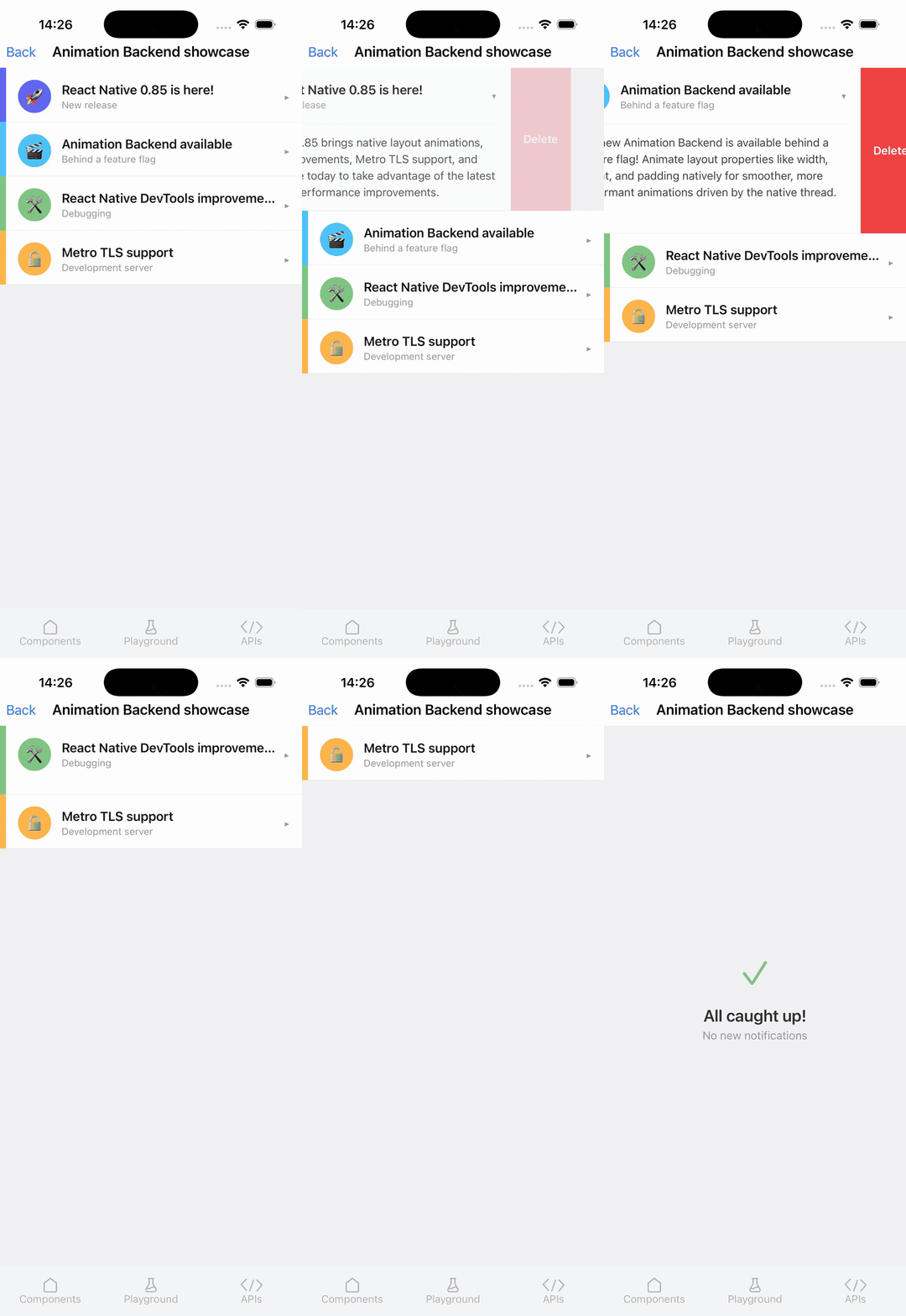
At the center of this release is the introduction of the new Shared Animation Backend. For years, developers have navigated the complexities of synchronizing animations across the bridge—the communication layer between JavaScript and the native side of the application. By moving the primary animation update logic directly into the React Native core, the framework has established a more unified engine capable of powering both the standard Animated library and the widely used Reanimated library.
This transition is not merely a refactoring exercise; it represents a fundamental change in how layout reconciliation is handled. Previously, animating layout properties—such as width, height, and positioning—was frequently restricted when using the native driver. With the implementation of the new backend, these limitations have been largely removed, allowing developers to utilize native performance for a broader spectrum of UI interactions. By centralizing this logic, the framework ensures that update cycles are more predictable and, crucially, more testable. This architectural stability is expected to reduce the incidence of regressions that typically accompany large-scale framework updates. The feature, which will reach full maturity in the 0.85.1 patch, is currently available as an experimental toggle, signaling the team’s commitment to rigorous testing before full-scale adoption.
Streamlining the Developer Experience
React Native 0.85 also brings substantial updates to the developer experience, particularly regarding the environment and testing infrastructure. A notable change in this version is the extraction of the Jest preset into its own package, @react-native/jest-preset. By decoupling the testing infrastructure from the core react-native package, the maintainers have effectively reduced the overall footprint of the core installation. This move provides developers with greater flexibility, allowing them to manage testing dependencies independently of the framework’s versioning cycle.
Complementing this is the integration of TLS support directly into the Metro development server. In modern mobile development, testing against secure endpoints—which often require HTTPS and secure WebSockets (WSS)—has traditionally been a friction point, requiring complex reverse-proxy setups or manual certificate management. With 0.85, Metro can now accept a TLS configuration object within the metro.config.js file. This allows developers to load local CA, certificate, and key files, enabling seamless secure communication during the development phase. Tools like mkcert have been highlighted by the community as ideal companions for this feature, enabling the generation of locally trusted certificates that eliminate browser and system warnings without compromising security protocols.
Breaking Changes and Version Requirements
As with any major release, version 0.85 introduces several breaking changes that necessitate careful planning for teams migrating from previous iterations. The most significant of these is the abandonment of support for end-of-life (EOL) Node.js versions. React Native now requires a minimum of Node.js version 20.19.4 or higher. This shift aligns the framework with the broader JavaScript ecosystem, where maintaining support for legacy runtime environments often hinders the adoption of modern language features and performance optimizations.
Furthermore, the removal of the deprecated StyleSheet.absoluteFillObject API marks a transition toward cleaner, more idiomatic styling patterns. Developers are encouraged to transition to StyleSheet.absoluteFill or implement their own custom absolute positioning objects. While these changes are relatively straightforward to implement via search-and-replace, they underscore the project’s ongoing effort to prune legacy code and improve the internal consistency of the framework’s API surface.
Contextualizing the Growth of the Framework
The release of version 0.85 occurs during a period of intense competition in the mobile development space. With over 604 commits contributed by 58 unique authors, the sheer volume of activity highlights a vibrant and active contributor base. Since the framework’s open-source inception, the velocity of releases has stabilized into a predictable rhythm, with major version increments often targeting specific pain points identified by the community.

The decision to partner with Software Mansion for the new animation engine is a testament to the framework’s "community-first" approach. By leveraging the expertise of specialized third-party contributors, the core team can effectively outsource complex engineering challenges while ensuring that the solutions remain native-first and performant. This collaborative model is largely responsible for the rapid maturation of the "New Architecture" of React Native, which has been a multi-year project involving the migration of the bridge to JSI (JavaScript Interface) and the adoption of TurboModules and Fabric.
Implications for Enterprise Adoption
For enterprise organizations relying on React Native for mission-critical applications, the implications of this release are twofold. First, the improved animation performance and native driver support mean that developers can create more complex, fluid UIs without resorting to third-party hacks that often break during OS updates. Second, the increased stability of the update reconciliation process means that the cost of maintenance for long-term projects is likely to decrease.
The shift in the testing preset and the deprecation of older Node.js versions may require a temporary investment in CI/CD pipeline adjustments. However, these investments are generally viewed as "hygiene" tasks that ensure the long-term viability and security of the application codebase. As the framework continues to adopt more modern standards, the gap between "native" (Swift/Kotlin) development and React Native performance continues to shrink, making it an increasingly attractive option for companies that prioritize both rapid iteration and high-quality user experiences.
Looking Ahead: The Role of the Ecosystem
The announcement also confirmed that the forthcoming Expo SDK 56 will incorporate React Native 0.85. This is a critical detail for the majority of the community, as Expo has become the standard entry point for new React Native developers. By ensuring that the latest framework features are bundled into the Expo ecosystem, the maintainers ensure that the benefits of the new animation backend and enhanced DevTools reach a wider audience of developers immediately.
The trajectory of React Native, as evidenced by version 0.85, suggests a focus on "polishing the edges." Rather than introducing radical, paradigm-shifting features, the core team is focusing on performance, developer ergonomics, and the removal of technical debt. This phase of development is often the most important for the longevity of a framework, as it builds the trust required for developers to commit to the ecosystem for the next five to ten years.
Conclusion and Best Practices for Upgrading
Upgrading to React Native 0.85 is recommended for teams looking to leverage the new animation capabilities or those who require the latest security patches associated with modern Node.js environments. The recommended path for migration remains the React Native Upgrade Helper, which provides a visual diff of changes required for existing projects.
Developers are encouraged to:
- Audit their dependencies: Ensure all native modules are compatible with the updated Node.js requirements.
- Review Jest configurations: Update the
jest.config.jsto point to@react-native/jest-presetto avoid test suite failures. - Test Animation logic: For teams heavily reliant on custom animations, the new backend provides an opportunity to migrate away from legacy workarounds toward more performant, natively-driven code.
- Monitor experimental features: While the new animation backend is a significant upgrade, teams should monitor the
react-native/packages/rn-testerexamples to understand the best practices for implementation before a full-scale deployment in production.
As the framework continues to evolve, the collaborative spirit displayed in this release—between the core maintainers and the broader open-source community—remains its greatest asset. By standardizing tools, refining the animation engine, and maintaining a high bar for environmental compatibility, React Native 0.85 sets a strong foundation for the remainder of the year.
Related posts: