DoltHub Releases Dolt 2.0, Ushering in a New Era of Version-Controlled SQL Databases with Enhanced Performance and Storage Optimization

DoltHub has officially launched Dolt 2.0, a significant overhaul of its groundbreaking open-source version-controlled SQL database. This major update introduces automatic storage optimization features, including robust garbage collection and advanced compression techniques, alongside significantly improved support for large and vector data types. This release marks a pivotal moment in data management, offering developers and organizations a more efficient, performant, and scalable solution for handling evolving datasets.
Dolt, renowned for its unique blend of MySQL compatibility and Git-style version control, empowers users with familiar database operations like branching, merging, cloning, and diffing directly on their data. The underlying architecture, built upon content-addressed Prolly Trees, facilitates granular row-level versioning, efficient structural sharing across different data states, and remarkably fast diffing and merging capabilities. This foundational technology has set Dolt apart since its initial major release three years ago, providing a powerful alternative to traditional database systems.
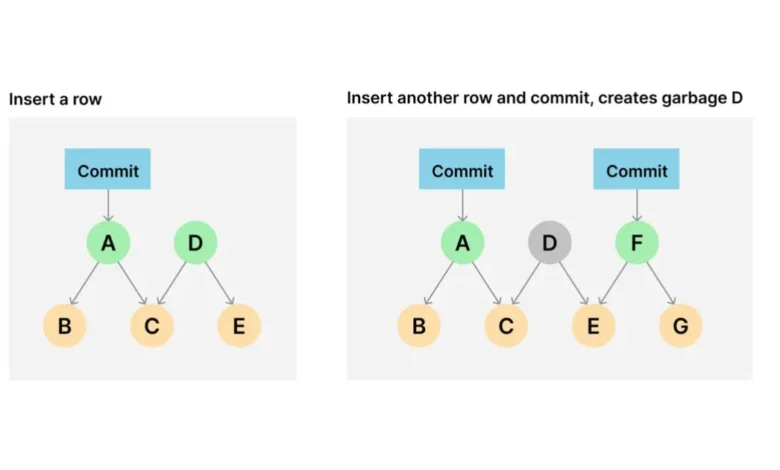
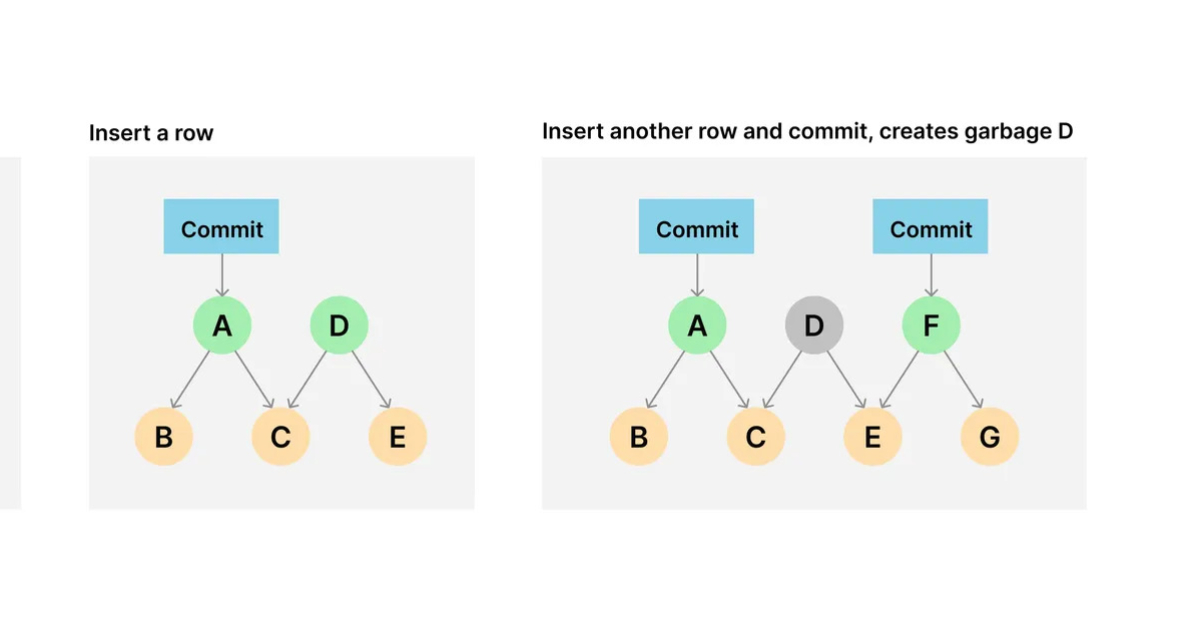
The evolution to Version 2.0 builds upon this robust foundation by integrating automated garbage collection and archive compression as default features. These enhancements are crucial for managing the disk space consumed by version control systems. Dolt’s copy-on-write mechanism, while instrumental in preserving transaction history, can generate substantial temporary data during operations like imports. Tim Sehn, founder and CEO of DoltHub, elaborated on the critical need for effective garbage collection: "Dolt makes a lot of disk garbage, especially during import. Dolt is copy-on-write so all intermediate committed transaction state is preserved to disk. Any intermediate state that is not in a Dolt commit is garbage and can be collected. Dolt already must preserve all history in the commit graph on disk. Adding extra garbage can eat through your disk very quickly." This explicit acknowledgment underscores the development team’s focus on addressing a key pain point for users dealing with large or rapidly changing datasets.
Storage Optimization and Performance Gains
A cornerstone of Dolt 2.0’s storage advancements is the introduction of a novel on-disk format dubbed "archives." This new format is engineered to dramatically reduce the storage footprint, with reported savings ranging from 30% to 50%. This efficiency is achieved through advanced dictionary compression, a technique that effectively deduplicates storage by identifying and replacing repetitive data patterns. This reduction in storage overhead is particularly significant for organizations managing vast historical datasets, where storage costs can become a substantial factor.
The performance improvements in Dolt 2.0 are equally compelling. The DoltHub team has conducted extensive benchmarking using the widely recognized sysbench tool to measure the latency of SQL queries. Sehn shared the remarkable progress: "We started at about 10X slower on reads and 20X slower on writes than MySQL. We’ve worked tirelessly to improve Dolt’s performance and we are now 13% faster than MySQL on writes and 5% faster on reads." This statement highlights a significant turnaround, transforming Dolt from a system with a notable performance deficit to one that now surpasses its traditional counterpart in key operational metrics. This leap in performance is a direct result of ongoing optimization efforts and the architectural enhancements incorporated into Dolt 2.0.
Enhanced Support for Large and Vector Data
Dolt 2.0 also brings significant enhancements for handling large datasets and the emerging field of vector data. The database now offers beta support for version-controlled vector indexes, leveraging MariaDB’s Vector type. This integration positions Dolt as a unique solution for managing and versioning complex data structures, particularly those relevant to machine learning and artificial intelligence applications. The ability to version control vectors is a novel concept, offering unprecedented capabilities for tracking changes in high-dimensional data. The DoltHub team has stated that the beta status for vector support will be lifted once remaining read-path discrepancies are resolved, indicating a commitment to refining this cutting-edge feature.
The inclusion of robust vector data support is particularly timely. As AI and machine learning models become increasingly prevalent across industries, the need for efficient storage, querying, and versioning of the vector embeddings they produce has become paramount. Dolt’s approach allows data scientists and engineers to treat these critical components of their AI pipelines with the same rigor and control they apply to other data assets.
A Growing Ecosystem of Data Versioning Tools
Dolt is not operating in a vacuum in the realm of data versioning. The industry is witnessing a growing interest in Git-like approaches to data management, with various projects offering distinct methodologies for versioning large datasets without unnecessary duplication. Notable alternatives include LakeFS, a specialized data version control solution tailored for data lakes, and Nessie, which provides a transactional catalog for data lakes with Git-like semantics.
While Dolt offers general availability and a familiar MySQL query interface, its counterpart, DoltgreSQL, provides Postgres compatibility. DoltgreSQL shares the same underlying storage engine and implements the identical version control interfaces as Dolt, but is currently in beta. This parallel development demonstrates DoltHub’s commitment to offering versatile solutions across different database ecosystems.
The broader implications of this trend are significant. Simon Späti, a prominent voice in the data engineering community, has authored a series of influential articles exploring the concept of Git-inspired data management and comparing available tools. Späti’s insights underscore the transformative potential of these approaches: "Git-like workflows are becoming table stakes. Maybe not today or tomorrow, but with the right tools and changes in workflow we can achieve significantly better change management, testing on production data, fast rollbacks, isolated experiments, and most importantly, peace of mind when deploying changes." This perspective highlights the growing recognition that traditional data management practices may not be sufficient for the complexities of modern data landscapes.
Chronology of Dolt Development and Release
The journey to Dolt 2.0 represents a multi-year effort focused on refining and expanding the capabilities of the version-controlled SQL database.
- Three Years Ago (circa 2023): DoltHub released the first major version of Dolt. This foundational release introduced the core concepts of a version-controlled SQL database, combining MySQL compatibility with Git-like versioning operations. The underlying Prolly Tree architecture was established, enabling efficient data versioning.
- Ongoing Development: Following the initial release, the DoltHub team focused on iterative improvements, addressing user feedback, and enhancing performance and scalability. This period likely saw significant internal development and testing of new features.
- Recent Developments (leading up to Dolt 2.0): Research and development into advanced storage optimization techniques, including garbage collection and compression, intensified. The integration of vector data types and the development of version-controlled vector indexes began, anticipating the growing demand for AI-related data management capabilities. Benchmarking against established databases like MySQL became a priority to quantify performance gains.
- Dolt 2.0 Release (May 11, 2026): DoltHub officially announced and released Dolt 2.0. This major version incorporated the culmination of years of development, featuring automated garbage collection, archive compression, adaptive storage, beta support for vector data, and significant performance improvements that position it as faster than MySQL on sysbench benchmarks.
Broader Impact and Implications
The release of Dolt 2.0 has several significant implications for the data management landscape:
- Democratization of Data Versioning: By offering an open-source, MySQL-compatible solution with advanced features, Dolt 2.0 makes sophisticated data version control accessible to a wider range of developers and organizations, not just those with specialized data lake infrastructure.
- Enhanced Data Integrity and Auditability: The inherent version control capabilities of Dolt provide an unparalleled level of data integrity and auditability. Every change can be tracked, reverted, and analyzed, which is critical for regulatory compliance, debugging, and historical analysis.
- Streamlined Development Workflows: The Git-like interface simplifies data management for developers accustomed to version control in software development. This familiarity can accelerate adoption and improve collaboration. Features like branching and merging allow for isolated experimentation and safe deployment of changes.
- Cost Savings through Storage Optimization: The substantial improvements in storage efficiency, particularly with the new archive format, can lead to significant cost reductions for organizations managing large volumes of historical data.
- Future-Proofing for AI/ML: The beta support for version-controlled vector data positions Dolt as a forward-thinking solution for the burgeoning AI and machine learning sectors, providing a robust platform for managing the complex data structures these fields rely on.
The continuous improvement and feature development by the DoltHub team, as evidenced by the leap from the first major version to Dolt 2.0, signals a strong commitment to pushing the boundaries of what is possible in database technology. The focus on both performance and advanced features like vector data support suggests a strategic vision to address the evolving needs of modern data-intensive applications.
Dolt 2.0 is available on GitHub under the permissive Apache 2.0 license, ensuring its continued accessibility and fostering a collaborative development environment. This open-source nature, combined with its powerful feature set, positions Dolt 2.0 as a compelling choice for developers and organizations seeking to modernize their data management strategies. The emphasis on automatic optimization, performance parity, and support for emerging data types marks Dolt 2.0 not just as an update, but as a significant advancement in the field of version-controlled databases.