NVIDIA Redefines the Future of Generative Worlds and Agentic AI at SIGGRAPH 2026

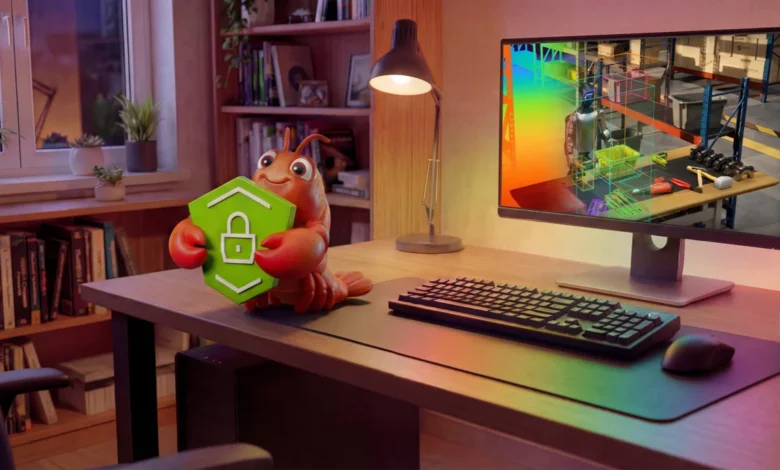
The convergence of neural rendering, generative world models, and agentic AI took center stage at the 2026 SIGGRAPH conference in Los Angeles, as NVIDIA unveiled a sweeping suite of technologies designed to transform how digital and physical environments are constructed. Running through Thursday, July 23, the event serves as a pivotal moment for the graphics industry, marking a transition from static toolsets to dynamic, "agent-ready" ecosystems. The center of this shift was punctuated by a keynote address featuring NVIDIA AI research and engineering leaders Neil Ashton, Edward Liu, and Ming-Yu Liu, who detailed the evolution of simulation methods for AI built by AI.
For over five decades, SIGGRAPH has served as the premier venue for breakthroughs in computer graphics. However, the 2026 iteration reflects a fundamental change in the discipline. Where previous years focused on the visual fidelity of pixels, the current focus has shifted toward the intelligence behind the scene. NVIDIA’s announcements emphasize that the next era of content creation will not merely be about faster rendering, but about autonomous agents that understand the context, physics, and intent of the creator.
The Rise of the Agent-Ready Creative Ecosystem
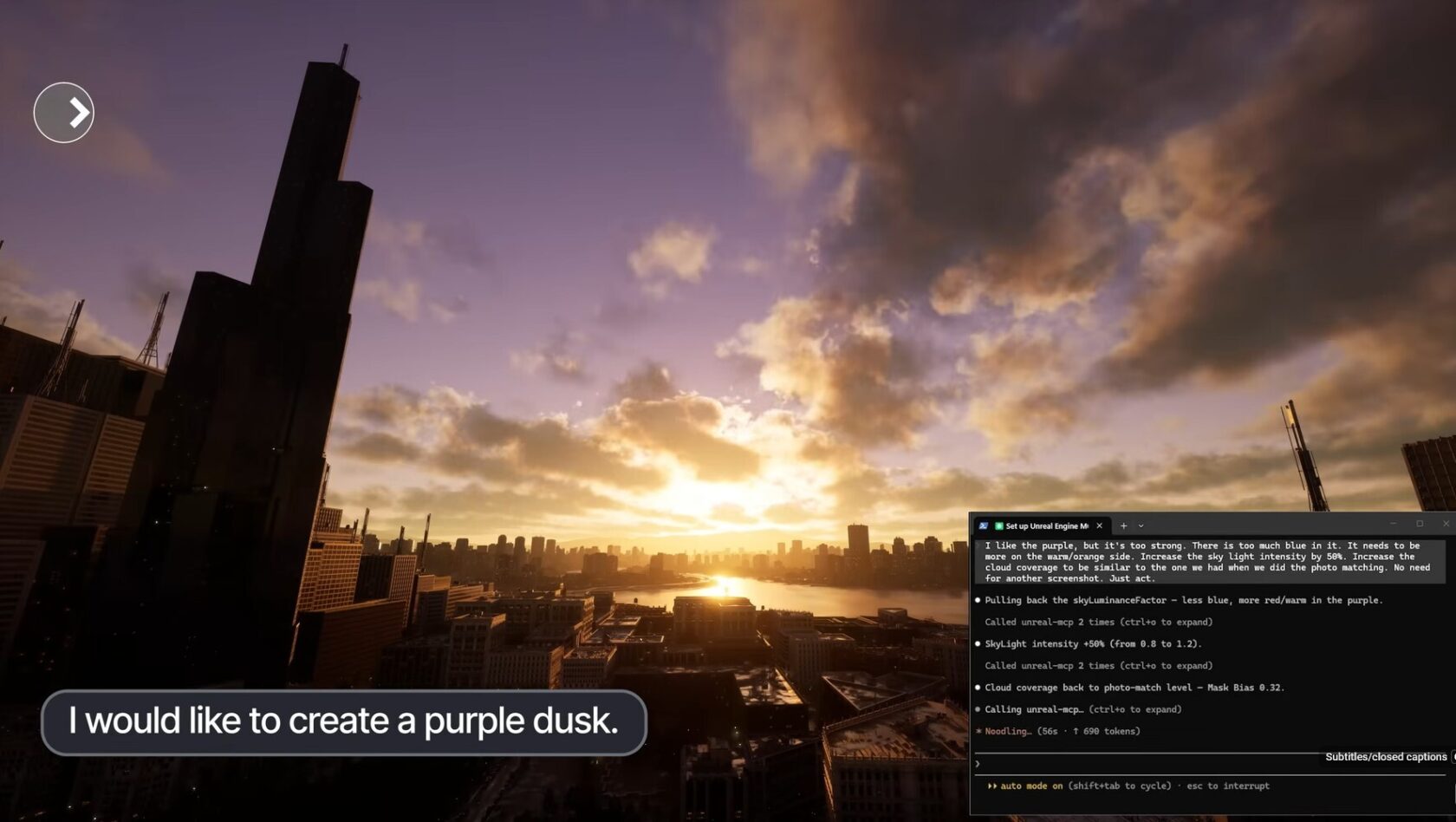
The most immediate impact on professional workflows comes via the widespread adoption of the Model Context Protocol (MCP). NVIDIA revealed that leading creative applications are now opening MCP connections, a standardized framework that allows AI agents to operate directly within the software environments where scenes, shots, timelines, and assets are managed. This transition effectively turns traditional Digital Content Creation (DCC) tools into collaborative platforms where human artists maintain creative sovereignty while agents handle the logistical and technical minutiae.
Historically, NVIDIA’s contribution to the DCC space was defined by hardware acceleration—specifically GPU-powered viewports and RTX real-time ray tracing. The introduction of agent-ready workflows represents a move from "acceleration to action." With MCP-integrated tools, technical directors can now task an agent with auditing complex scenes for missing textures, flagging color management inconsistencies, or validating shots against rigorous pipeline rules.
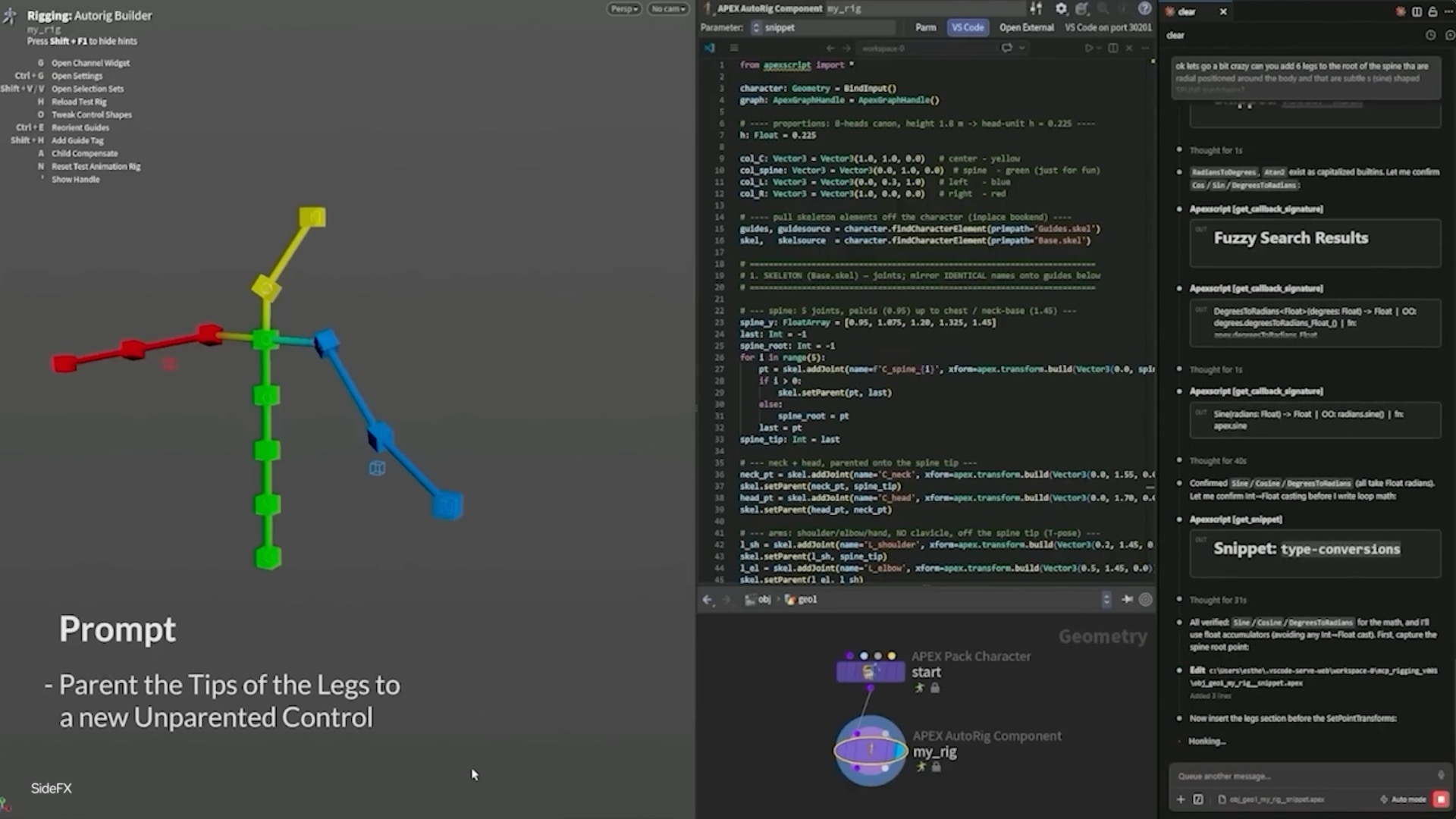
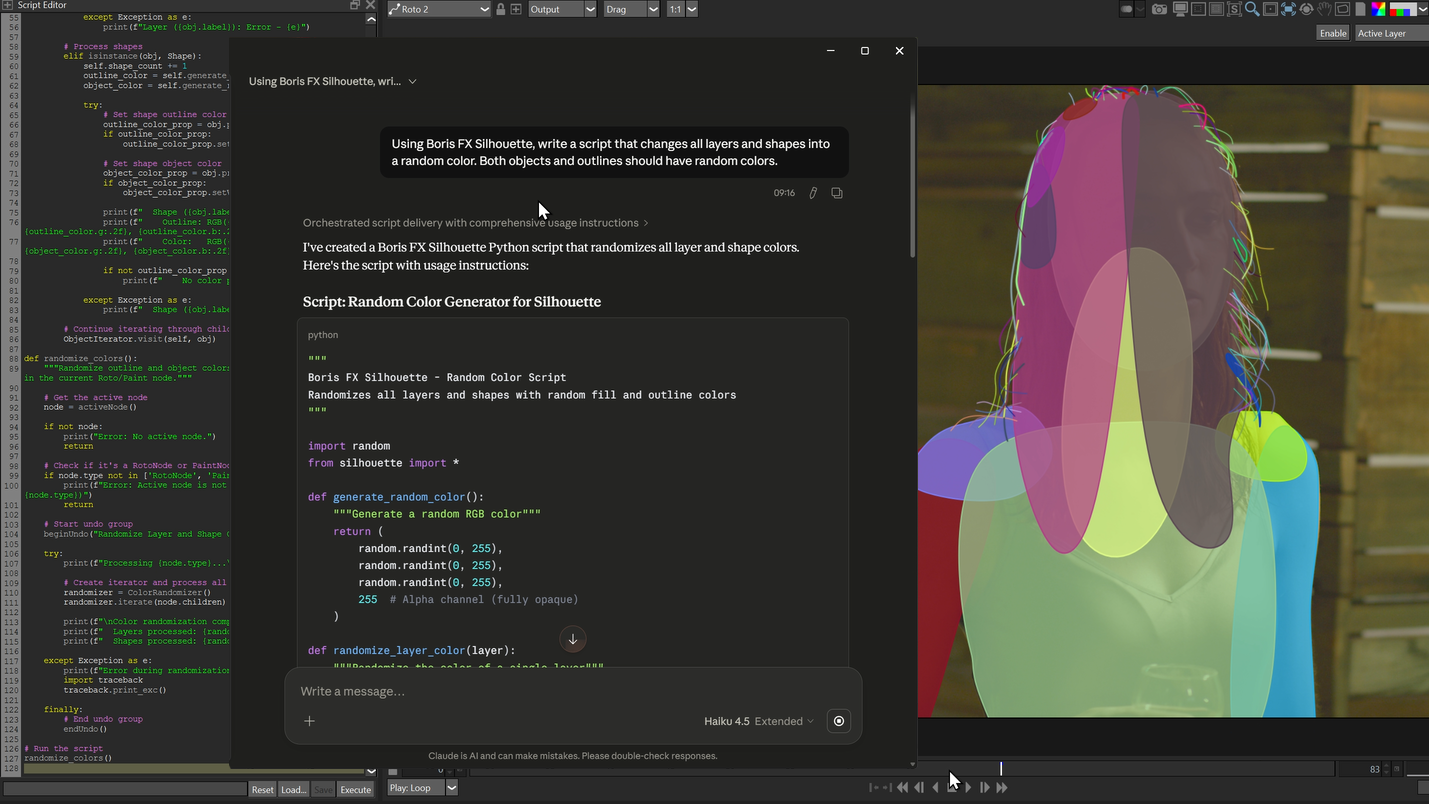
The ecosystem response has been robust. Adobe is expanding its creative agent across Firefly, Express, and Creative Cloud, enabling assistants to orchestrate multi-step workflows based on natural language descriptions. Affinity by Canva has introduced an AI Connector for Claude, utilizing MCP to automate repetitive production tasks such as layer renaming and asset reformatting for multiple social media channels. Blender, the open-source industry favorite, now offers a lightweight MCP server through Blender Lab, providing a natural language interface to its complex Python API. Other major players, including Foundry, SideFX, and Boris FX, have similarly integrated MCP to allow AI assistants to inspect projects, build node trees, and refine procedural character rigs.
Safeguarding Information Integrity with Synthetic Video Detection
As generative AI makes the creation of hyper-realistic video more accessible, the challenge of verifying authenticity has become a critical concern for newsrooms and global media organizations. To address this, NVIDIA announced the Synthetic Video Detector, a new NIM (NVIDIA Inference Microservice) part of the NVIDIA AI for Media platform. This tool is designed to provide an AI-assisted detection signal that can be integrated into editorial and forensic workflows.
The microservice functions by analyzing video frame by frame, generating a classifier score to determine the likelihood of synthetic content. Crucially, NVIDIA’s testing indicates that the model maintains high efficacy even after the video has undergone common newsroom processes such as compression, cropping, and re-encoding. The detector reached 92% accuracy on uncompressed footage and remained at 82% accuracy even at 50% compression.
The deployment of this technology is already being spearheaded by Wowza, which is embedding the NIM microservice into its Video Intelligence Framework. Given Wowza’s reach—spanning over 35,000 deployments in 170 countries—this move represents a significant step in scaling deepfake detection. By allowing organizations to run these models on-premises or in air-gapped environments, NVIDIA ensures that sensitive editorial data remains secure while providing the speed necessary for a 24-hour news cycle. The NIM can process 1080p video in as little as 22 milliseconds on NVIDIA RTX systems, making real-time verification a technical reality.
Cosmos 3 Edge: Bringing World Models to the Physical Frontier
The conference also marked the open availability of NVIDIA Cosmos 3 Edge, a 4-billion-parameter "omnimodel" designed for local physical AI. While large language models have mastered text, physical AI requires "world models"—systems that can perceive, reason about, and predict the behavior of the physical environment.
Cosmos 3 Edge is optimized for high throughput on NVIDIA Jetson, RTX PRO, and DGX systems. Its mixture-of-transformers architecture allows it to process and generate text, images, video, ambient sound, and, most importantly, robot actions. This model currently ranks first on the VANTAGE-Bench leaderboard for vision analytics success in its parameter class.
The implications for robotics and autonomous systems are profound. Partners such as Siemens, Doosan Robotics, and Skild AI are currently evaluating Cosmos 3 Edge for use in industrial manipulation and locomotion. In the realm of smart infrastructure, the model enables vision agents to reason across live video streams for traffic monitoring and industrial inspection. Because the model runs locally at the edge, it eliminates the latency and privacy concerns associated with cloud-based AI, allowing robots and autonomous vehicles to react to their environments in real time.
Local Intelligence and the DGX Station "Super Agent"
To support the development of these localized AI systems, NVIDIA showcased the DGX Station as the primary deskside supercomputer for the agentic era. When paired with the NVIDIA Agent Toolkit, developers can set up a secure, local AI environment in approximately 30 minutes.
This hardware-software synergy allows organizations to "own their intelligence." By running the NVIDIA Nemotron 3 Ultra open model locally, teams can avoid the per-token costs associated with cloud APIs while ensuring that proprietary data never leaves their internal network. The toolkit includes NVIDIA NemoClaw for agent orchestration and access to NVIDIA Omniverse libraries, which provide agents with the simulation tools needed to prepare 3D scenes for physical AI training.
Industry leaders such as LangChain and Nous Research have already begun tuning their agent harnesses for Nemotron 3 Ultra. This localized approach allows for the creation of "super agents"—highly specialized AI entities that possess deep knowledge of a specific studio’s pipeline or an engineering firm’s proprietary data.
Advancing the Science of Realism: Technical Research Breakthroughs
NVIDIA’s presence at SIGGRAPH was further bolstered by 21 accepted technical papers, highlighting research that bridges the gap between visual graphics and physical simulation. The standout project, MotionBricks, is a real-time motion model trained on over 350,000 motion clips. It allows creators to direct character movements that are not only visually convincing but also physically grounded.
In a live demonstration that blurred the lines between digital and physical, the same MotionBricks model used to animate a character on screen was used to drive a Unitree G1 humanoid robot. This illustrates a key trend in NVIDIA’s research: the use of computer graphics and simulation to accelerate the development of physical AI.
Other notable research includes:
- GPC (Generative Physical Control): A framework for training controllers on large-scale motion datasets, providing robots with transferable motor skills.
- ArtiFixer: A tool that converts imperfect 3D captures from the real world into clean, simulation-ready virtual scenes, while predicting global illumination without the need for traditional ray tracing.
- VideoNeuMat: A pipeline that allows creators to extract reusable, relightable materials from generative video models.
Conclusion and Industry Implications
The announcements at SIGGRAPH 2026 signal a broader strategic pivot for NVIDIA. By providing the tools for both the creation of synthetic worlds and the detection of synthetic content, the company is positioning itself as the foundational architect of the generative era. The move toward "agentic AI" suggests that the future of productivity lies in the delegation of technical tasks to autonomous systems, provided they remain under human oversight.
For the creative industry, the integration of MCP into standard tools like Adobe Creative Cloud and Unreal Engine marks the end of the "manual era" of digital production. For the robotics and automotive sectors, Cosmos 3 Edge provides the cognitive backbone necessary for machines to operate safely and intelligently in unscripted environments.

As SIGGRAPH 2026 concludes, the consensus among attendees is clear: the boundary between graphics, simulation, and AI has effectively vanished. NVIDIA’s latest offerings suggest that the next generation of virtual and physical worlds will not be built by hand, but will be grown through the collaborative efforts of human ingenuity and agentic intelligence.
Related posts: