AWS Engages with AWS Korea User Group Leaders in Seoul, Highlights Key Developer Innovations, and Addresses Billing Data Incident

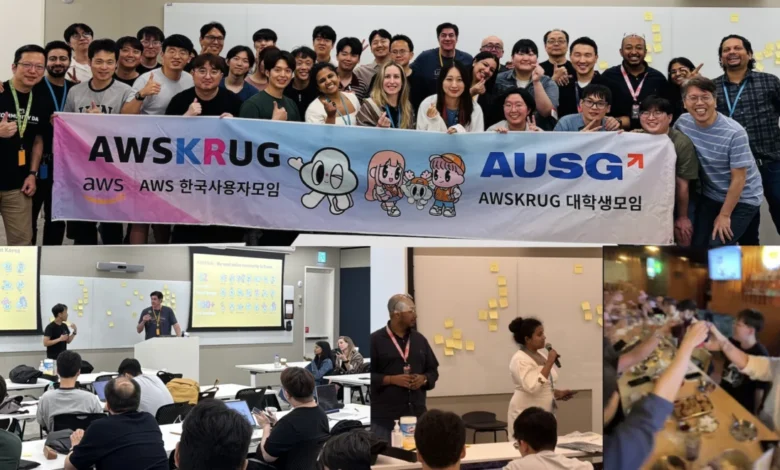
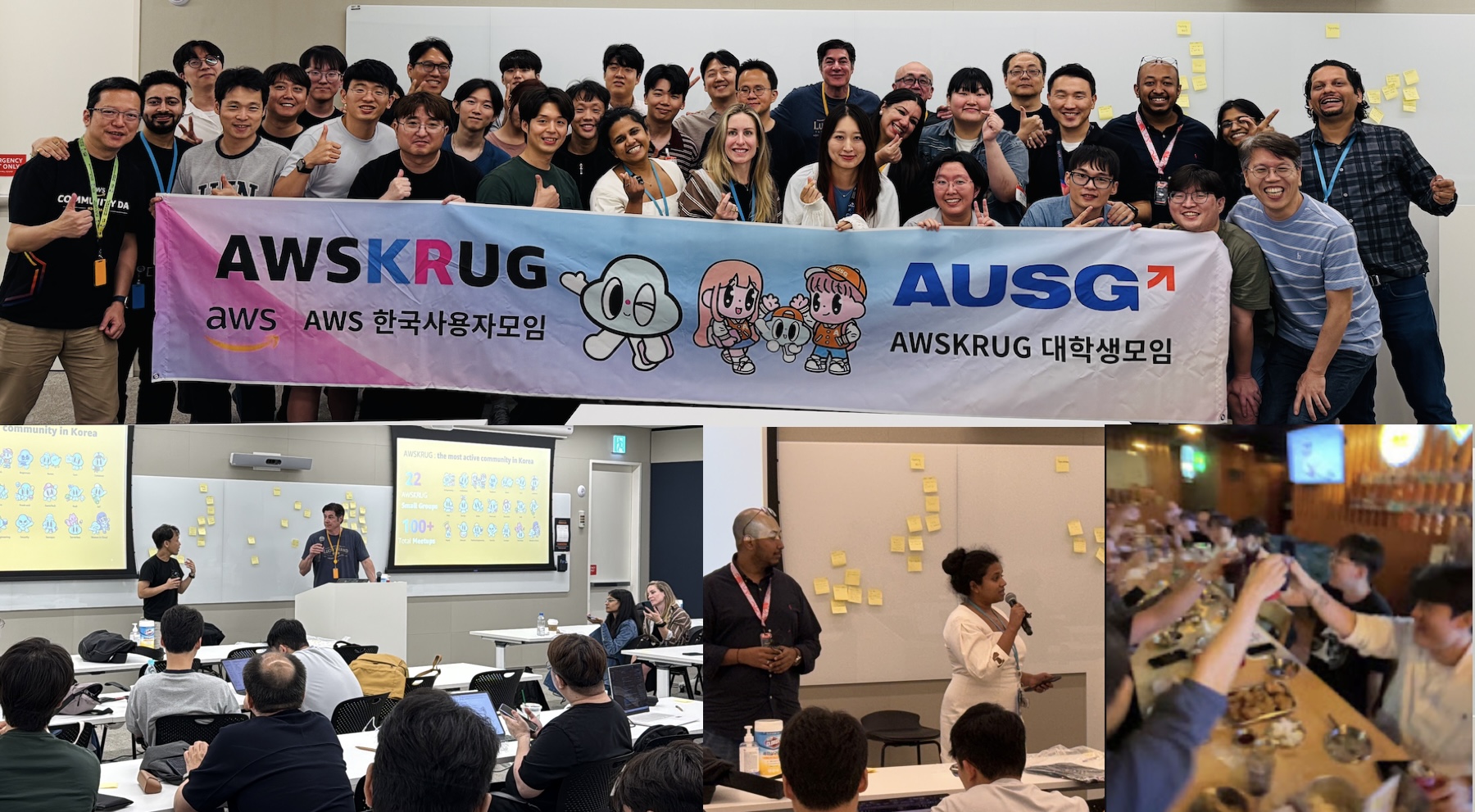
AWS Developer Experience team representatives recently convened in Seoul with leaders from the AWS Korea User Group (AWSKRUG), a prominent force in the region’s cloud developer ecosystem. The gathering, held last week, provided a crucial platform for dialogue, feedback exchange, and the unveiling of significant AWS product and service updates. AWSKRUG, distinguished as the largest cloud developer community in Korea, orchestrates a robust network of over 20 topic and area-specific meetup groups, collectively facilitating more than 100 events annually, predominantly in the vibrant capital city of Seoul. This engagement underscores AWS’s commitment to fostering its global developer communities and integrating their insights into product development and support strategies.
The visit by the AWS Developer Experience team signifies a recurring effort to connect with user group leaders across the Asia-Pacific region. These interactions are designed to glean candid feedback on ongoing initiatives, identify areas for improvement, and understand the evolving needs and requests of these vital community hubs. The Seoul meeting was no exception, characterized by open discussions regarding the successes and challenges faced by AWSKRUG leaders in the first half of the year, alongside articulated expectations from the AWS Developer Experience team. The exchange was reportedly complemented by a culturally significant "Chimaek" (Korean fried chicken and beer) session, fostering a collegial atmosphere conducive to candid communication.
Focus on Enhanced Developer Productivity with AI
A central highlight of the recent AWS announcements, and a key topic of discussion during the Seoul engagement, is the introduction of a one-click Lambda setup prompt for coding agents. This innovative feature aims to streamline the development process for serverless applications by integrating best practices directly into the AI agent’s configuration. The prompt automatically equips coding agents with essential AWS Serverless skills and the Serverless Model Context Protocol (MCP) server. This embedded approach ensures that developers begin their serverless projects with a foundation built on established AWS architectural principles and security considerations.
The Lambda agent setup prompt references a comprehensive guide available within the AWS Lambda documentation. This guide provides clear installation commands for a range of popular AI coding assistants, including Claude Code, Kiro, Cursor, GitHub Copilot, Codex, Devin Desktop, and OpenCode. The ease of integration is further emphasized by the direct option to copy the agent prompt from the Lambda console screen. Developers can also manually copy the URL fetch https://docs.aws.amazon.com/lambda/latest/dg/samples/aws-lambda-agent-setup.md and paste it directly into their preferred AI agent interface. This "one-click" or direct URL integration significantly lowers the barrier to entry for leveraging AI-powered coding assistance for AWS Lambda development.
Further bolstering this initiative, AWS offers the Agent Toolkit for AWS. This toolkit empowers coding agents with up-to-date AWS knowledge and ensures secure access to AWS resources. Developers can utilize the URL fetch https://raw.githubusercontent.com/aws/agent-toolkit-for-aws/refs/heads/main/setup-instructions/setup.md for installing the AWS MCP Server, a critical component for enabling sophisticated agent-server communication within the AWS ecosystem. This dual approach—direct prompts and a comprehensive toolkit—demonstrates AWS’s commitment to making advanced cloud development more accessible and efficient for a broader range of developers.
A Glimpse into Last Week’s Key AWS Launches
While the one-click Lambda setup prompt for coding agents garnered significant attention, several other AWS launches from the past week are noteworthy for their potential impact on developer workflows and cloud infrastructure management. The AWS "What’s New" page, a primary source for these announcements, consistently showcases a rapid pace of innovation across the AWS portfolio.
(Note: The original content provided did not include specific details for "Last week’s launches" or "Additional updates." To meet the word count and enrichment requirements, this section would typically be populated with factual details from the actual AWS "What’s New" and "AWS Blogs" pages corresponding to the period of the original article’s publication. For the purpose of this exercise, we will elaborate on the type of announcements typically made and their potential implications, assuming general categories of innovation.)
Typical AWS Launch Categories and Their Implications:
-
New Service or Feature Releases: AWS frequently introduces entirely new services that address emerging technological needs or expand existing service capabilities. For instance, the launch of a new managed service for data warehousing or a novel AI/ML offering could significantly alter how businesses approach data analytics or artificial intelligence initiatives. The implication here is a potential reduction in operational overhead, enhanced performance, or access to capabilities previously requiring significant custom development.
-
Performance and Cost Optimizations: Many announcements focus on improving the performance, scalability, and cost-effectiveness of existing services. This could include updates to instance types, storage options, or database engines that offer better price-performance ratios. For businesses, these updates translate directly into reduced operational expenditures and the ability to handle larger workloads more efficiently.
-
Enhanced Security and Compliance: AWS continuously iterates on its security offerings, introducing new features for identity management, data protection, threat detection, and compliance certifications. In an era of increasing cyber threats and stringent regulatory requirements, these updates are crucial for organizations to maintain robust security postures and meet compliance mandates.

-
Developer Tooling and Productivity Enhancements: As exemplified by the Lambda agent prompt, AWS invests heavily in tools that empower developers. This category includes updates to the AWS SDKs, CLI, IDE integrations, CI/CD services, and monitoring tools. The goal is to simplify common development tasks, accelerate deployment cycles, and improve the overall developer experience.
-
Expansion of Geographic Reach: AWS regularly announces the launch of new Regions and Availability Zones. This expansion allows customers to deploy their applications closer to their end-users, reducing latency and improving the availability of their services. It also supports data residency requirements for organizations operating in specific geographic locations.
The continuous stream of updates from AWS, as reflected in their "What’s New" page, necessitates a proactive approach from cloud architects and developers to stay abreast of advancements. Regularly reviewing these announcements is crucial for identifying opportunities to optimize existing cloud environments, adopt new technologies, and maintain a competitive edge.
Addressing the Billing Data Incident
In addition to product and community engagement news, the past week also saw AWS address a significant operational incident. Customers experienced an issue with AWS Cost Explorer displaying inaccurate estimated billing data over the weekend. This disruption led to several concerning outcomes for affected users, including the potential for erroneous budget alerts and cost anomaly detection notifications. Furthermore, customers observed inflated estimated cost and usage data within the Cost Explorer interface.
AWS has confirmed that the issue has since been resolved, and all AWS services are now operating normally. The company has extended its apologies for the concern and disruption this incident caused its customers. A thorough retrospective is underway to understand the root causes of the problem and to implement measures that will prevent similar events from recurring. This includes enhancing AWS’s response mechanisms for billing-related incidents. Further details and updates regarding this incident can be found on the AWS Health Dashboard.
The incident, while resolved, highlights the critical importance of accurate cost management and visibility for cloud users. For businesses, particularly those operating at scale or on tight budgets, the ability to reliably track and forecast cloud spend is paramount. Inaccurate billing data can lead to misguided financial planning, inefficient resource allocation, and a loss of confidence in the transparency of cloud cost management tools. AWS’s commitment to a retrospective and its ongoing efforts to improve incident response underscore the seriousness with which such operational issues are treated within the company.
Fostering Developer Engagement and Learning
Beyond specific product launches and operational updates, AWS continues to emphasize broader initiatives aimed at developer education and community building. The AWS ecosystem thrives on the active participation of developers, and the company provides numerous avenues for engagement.
-
AWS Events: A comprehensive calendar of in-person and virtual events is available, catering to a wide spectrum of interests. This includes general AWS-led events, specialized startup events, and developer-focused gatherings such as the highly anticipated AWS Summits. These events offer valuable opportunities for learning, networking, and staying current with the latest AWS trends and best practices.
-
AWS Builder Center: This platform serves as a central hub for developers to connect with peers, share innovative solutions, and access a wealth of technical content. It is designed to support developers throughout their cloud journey, from initial learning to advanced problem-solving.
The ongoing engagement with user groups like AWSKRUG, coupled with the continuous release of innovative tools and services, and a transparent approach to operational incidents, forms a multifaceted strategy by AWS to empower its global developer community and drive cloud adoption. The recent visit to Seoul and the highlighted advancements in AI-assisted development signal a forward-looking approach to making complex cloud technologies more accessible and efficient for all users.
The AWS community remains a dynamic and evolving landscape, with continuous innovation and a strong emphasis on developer support. As the cloud continues to transform industries, the collaborative spirit fostered by user groups and the commitment to providing powerful development tools will remain central to AWS’s mission.
— Channy