Huawei MatePad Air 2026 Officially Launches in Indonesia Offering AI-Powered PC-Level Productivity in an Ultra-Thin Form Factor

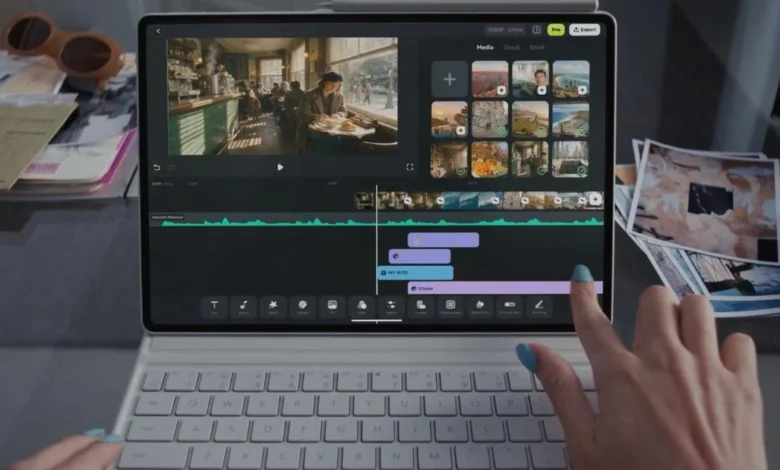
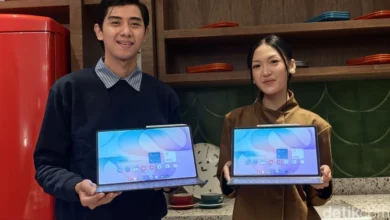
Huawei has officially confirmed the imminent arrival of its latest flagship tablet, the Huawei MatePad Air (2026), in the Indonesian market, with a scheduled commercial debut set for September 18, 2026. Positioned as a direct challenger to traditional ultrabooks, the device adopts the slogan "Ultra-Thin PC-like Tablet Made for Everything You Do with AI," signaling Huawei’s strategic pivot toward blending high-performance computing with the portability and intuitive nature of mobile hardware. This launch represents a significant milestone in Huawei’s roadmap to capture a larger share of the professional and creative demographic in Southeast Asia.
The Evolution of the MatePad Series
The introduction of the 2026 iteration of the MatePad Air is not merely a hardware refresh but a culmination of years of R&D focused on the convergence of mobile and desktop computing. Since the inception of the MatePad line, Huawei has sought to solve the "productivity gap"—the inherent limitation of tablets when performing complex tasks like video editing, multi-window document management, and professional illustration.
Historically, Huawei’s tablet strategy began with standard media consumption devices, but shifted toward the "PC-level" paradigm around 2022. By integrating specialized software, such as the desktop-class WPS Office and sophisticated multitasking interfaces, Huawei has successfully transitioned its tablet segment from auxiliary devices to primary workstations for a growing segment of the workforce, particularly those in hybrid and remote settings.
Design Innovation and Physical Specifications
The Huawei MatePad Air (2026) is characterized by its "Air-Light Design," a hallmark of the manufacturer’s engineering capabilities. Measuring a mere 5.3 mm in thickness and weighing 509 grams, the tablet achieves a form factor that is arguably one of the slimmest in the global market. When paired with the Smart Magnetic Keyboard, the total system weight remains a remarkably portable 817 grams, offering a compelling alternative to high-end laptops that often exceed the 1.2 kg threshold.
Beyond physical dimensions, the device introduces the Pearlescent Sheen E-Coating Process 2.0. This advanced finish is designed to provide a premium, iridescent aesthetic while enhancing the structural integrity of the chassis. The rear module, dubbed the Star Orbit DECO, houses the optics and serves as a visual centerpiece, aligning with the design language seen in Huawei’s premium smartphone lineup. The integration of peripherals—specifically the Huawei M-Pencil Pro and the Bluetooth Mouse—is designed to mimic the tactile feedback and workflow efficiency of a traditional PC setup.
The 12-inch OLED PaperMatte Breakthrough
Perhaps the most notable technical advancement in the 2026 MatePad Air is the display technology. For the first time in the Air series, Huawei has implemented a 12-inch 2.8K OLED PaperMatte display. This screen is engineered to address two major pain points for professional users: eye fatigue and the lack of tactile feedback when using a stylus.
The panel features a 144 Hz refresh rate, ensuring fluid navigation and minimal latency during artistic workflows. With a 92% screen-to-body ratio, the immersive experience is further bolstered by the PaperMatte technology. This proprietary layer reduces screen glare by up to 20%, allowing for visibility in high-ambient light environments, such as outdoor offices or brightly lit cafes. Furthermore, the "paper-like" texture provides the friction required for precise control, effectively bridging the gap between digital convenience and traditional pen-and-paper drafting.
Integrating Artificial Intelligence into the Workflow
The core value proposition of the 2026 model is its deep-rooted AI integration. Huawei has moved beyond simple generative AI chatbots, embedding intelligent features directly into the operating system’s kernel. The tablet leverages AI to optimize "PC-level" workflows, including:
- Intelligent Multitasking: AI-driven window management that predicts the user’s intent, automatically resizing and arranging applications based on the task at hand.
- Contextual Assistance: Real-time productivity tools within the office suite that suggest document formatting, data visualization, and content restructuring.
- Hardware Optimization: AI-managed power distribution that monitors usage patterns to extend the 10,100 mAh battery life, ensuring the device remains operational during extended travel or back-to-back meetings.
The device also supports Wi-Fi 7, facilitating faster data transfer speeds and more stable connectivity, which is critical for cloud-based AI processing and collaborative projects. The audio experience is handled by a 6-speaker Huawei SOUND system, providing a robust spatial audio profile for media consumption and video conferencing.
Market Strategy and Consumer Availability
The rollout of the Huawei MatePad Air (2026) in Indonesia is structured to maximize penetration through both digital and physical retail channels. Starting September 18, 2026, the device will be available via the Huawei official online store and major e-commerce platforms including Shopee, Tokopedia, TikTok Shop, Blibli, and Lazada. Simultaneously, Huawei is leveraging its network of Huawei Authorized Experience Stores, Erafone, and Urban Republic outlets to ensure that customers can experience the hardware firsthand.
To incentivize early adoption, Huawei has unveiled a comprehensive promotion scheme valid from September 18 to October 17, 2026. The package, valued at approximately IDR 9,300,000, includes the Huawei Glide Keyboard, M-Pencil Pro, Bluetooth Mouse, and a one-year subscription to PC-Level WPS AI. Additionally, the company is offering bank cashback incentives of up to IDR 2,000,000, effectively lowering the entry barrier for prospective professional users.
Industry Implications and Competitive Landscape
The launch of the MatePad Air (2026) highlights a broader industry trend: the "Tabletization of the PC." As the boundaries between mobile operating systems and desktop environments continue to blur, manufacturers are increasingly betting that consumers prefer the modularity of a tablet over the rigid design of a laptop.
Industry analysts suggest that Huawei’s move is a strategic attempt to maintain its premium market positioning despite ongoing global supply chain complexities. By focusing on niche premium features—such as the OLED PaperMatte display and proprietary AI integration—Huawei is differentiating its offerings from entry-level tablets that primarily focus on entertainment.
However, the success of the MatePad Air will likely depend on the local software ecosystem. While the hardware is undeniably competitive, the long-term utility of the device will be measured by the software compatibility of the "PC-level" apps within the local market. For creative professionals and students in Indonesia, the integration of local language AI support and the availability of specialized apps will be the primary metrics for success.
Future Outlook
Looking ahead, the 2026 MatePad Air sets a high bar for the tablet market. By prioritizing display ergonomics, AI-enhanced productivity, and extreme portability, Huawei is catering to a modern, mobile-first workforce. The company’s decision to include a high-value accessory bundle suggests a clear intent to capture the "productivity seeker" segment, challenging established laptop brands on their own turf.
As the Indonesian digital economy continues to expand, the demand for high-performance, portable computing solutions is expected to grow. With this launch, Huawei has demonstrated its readiness to lead this segment, banking on the synergy between its advanced hardware engineering and its evolving software ecosystem. Whether the market fully embraces this "PC-like" paradigm remains to be seen, but the technological foundation laid by the MatePad Air (2026) is undoubtedly a significant step forward in the history of portable computing.