Android Dev Summit Makes a Triumphant Return After a Four-Year Hiatus with Major Focus on AI, XR, and Developer Tools

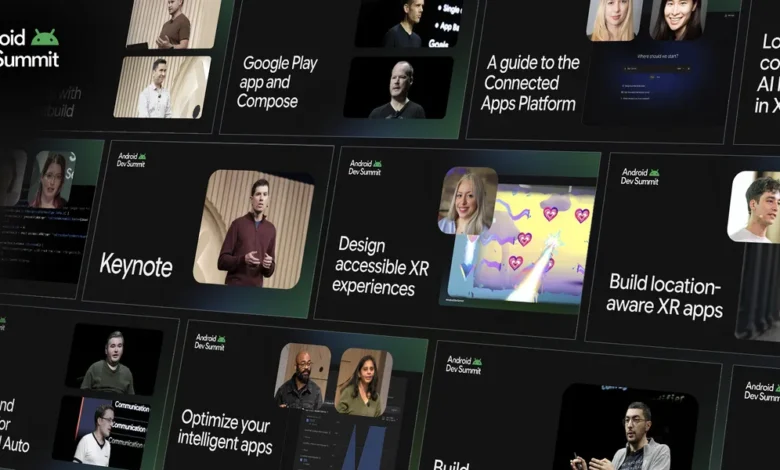
The global software development community witnessed a significant milestone last week as Google officially brought back the Android Dev Summit after a four-year absence from the live event calendar. Gathering in dual hubs across Mountain View, California, and London, United Kingdom, more than 900 in-person attendees converged to explore the future trajectory of the world’s most popular mobile operating system. The highly anticipated return served as a comprehensive showcase for cutting-edge platform updates, developer tools, and forward-looking architectural paradigms designed to shape the next generation of mobile applications.
A Landmark Return for the Global Developer Community
The four-year hiatus, largely necessitated by shifting industry landscapes and global health considerations following the COVID-19 pandemic, heightened expectations for the 2024 summit. Google structured the comeback event to balance high-level visionary outlooks with granular, hands-on technical engagement. Over the course of the multi-day gathering, participants engaged in keynote presentations detailing the platform’s long-term roadmap, specialized demo sessions, dozens of intensive technical workshops, a collaborative hackathon, and dedicated community feedback forums.
These interactive feedback loops allowed engineers, product managers, and independent developers to voice their insights directly to the Android engineering teams. The dialogue centered heavily on streamlining development workflows, enhancing system-level performance, and navigating the integration of emerging technologies into existing codebases. For a developer ecosystem boasting billions of active devices worldwide, the summit provided a crucial alignment point between Google’s platform vision and the practical realities faced by everyday app creators.
Comprehensive Digital Rollout and Global Accessibility
Recognizing that physical venue capacities inherently limit attendance, Google implemented an aggressive hybrid outreach strategy to ensure that the knowledge shared in Mountain View and London reached the broader global community. Today, the corporation has released over 50 comprehensive technical sessions featuring insights from Google engineers and industry partner experts.
These resources have been made publicly available via YouTube and the official Android developer portal at d.android.com/events/dev-summit. To maximize the utility of these presentations for developers operating in diverse geographical regions and time zones, Google has introduced advanced accessibility and integration features. Every published talk is accompanied by a full, downloadable transcript meticulously enhanced with contextual data pulled directly from the session slide decks.
This innovative approach to documentation is engineered to serve both human developers and artificial intelligence systems. By integrating slide content directly into the text transcripts, developers can easily download the documentation and feed the files directly into their preferred AI coding agents. This seamless integration allows engineering teams to rapidly extract key takeaways, understand complex API changes, and incorporate architectural best practices directly into their own applications without manual transcription or exhaustive video scrubbing.
Specialized Tracks and Gemini Notebook Integration
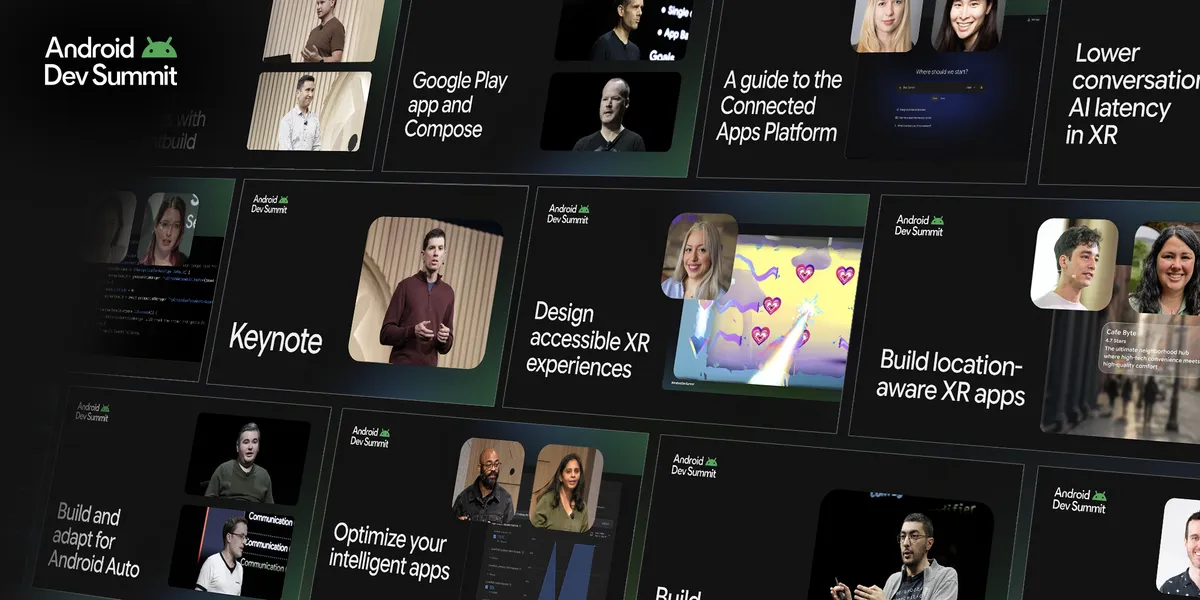
To help navigate the substantial volume of technical content, Google has categorized the more than 50 sessions into four distinct tracks: App Foundations, Intelligent Apps, Tools and Performance, and Android XR. Each track addresses a specific pillar of modern software engineering within the Android ecosystem:
- App Foundations: Focuses on the core architecture, jetpack libraries, lifecycle management, and foundational APIs required to build stable, scalable, and maintainable applications.
- Intelligent Apps: Explores the integration of machine learning models, on-device artificial intelligence, and smart features that enable applications to adapt intelligently to user behavior.
- Tools and Performance: Highlights advancements in Android Studio, debugging utilities, profiling instruments, and optimization techniques designed to reduce APK sizes, minimize memory footprints, and maximize frame rates.
- Android XR: Delivers groundbreaking insights into extended reality development, spatial computing interfaces, and immersive user experiences tailored for spatial hardware platforms.
Furthermore, to enhance searchability and interactive engagement with the material, Google has generated custom Gemini Notebooks for each of the four tracks. Pre-loaded with the enhanced session transcripts, these AI-powered notebooks allow developers to query specific technical questions, summarize complex architectural discussions, and retrieve precise implementation details instantaneously.
Background, Chronology, and Strategic Implications
The resurgence of the Android Dev Summit marks a pivotal turning point in Google’s developer relations strategy. Historically, the summit served as the premier technical companion to Google I/O, offering deep-dive engineering content distinct from consumer-facing announcements. The suspension of the event following the 2019 iteration left a noticeable void in the specialized Android engineering calendar, forcing developers to rely entirely on asynchronous documentation and virtual broadcasts.
The decision to reintroduce an in-person component in 2024 underscores a broader industry consensus regarding the irreplaceable value of face-to-face collaboration, live debugging sessions, and direct community networking. By simultaneously hosting events in Mountain View and London, Google successfully bridged North American and European developer markets, ensuring robust geographic representation.
The inclusion of Android XR as a primary track reflects the industry’s rapid pivot toward spatial computing and mixed-reality environments. As competitors aggressively invest in hardware and software ecosystems for spatial interfaces, Google’s structured rollout of XR development tools signals a concerted effort to establish a dominant framework for spatial applications built on the Android runtime. Simultaneously, the heavy emphasis on Intelligent Apps and Gemini-driven documentation highlights Google’s overarching corporate mandate to infuse artificial intelligence into every layer of the software development lifecycle—from the tools developers use to write code to the intelligent capabilities embedded within the final consumer product.
Industry Reception and Future Outlook
Early reactions from the software engineering community regarding the release of the ADS materials have been overwhelmingly positive. Lead architects and independent developers alike have praised the inclusion of slide-enhanced transcripts and Gemini Notebooks, noting that these resources dramatically reduce the friction involved in digesting complex technical seminars.
As developers begin processing the wealth of information made available through the summit portal, the long-term implications for the Android ecosystem are expected to manifest in higher application performance, more sophisticated AI-driven features, and early experimentation with spatial computing interfaces. Google has invited ongoing community feedback regarding the newly released resources and platform developments, signaling an open door policy as the ecosystem navigates its next major evolutionary phase. Developers worldwide can access the complete library of sessions, transcripts, and AI notebooks immediately via the official Android developers portal.