The agricultural landscape of North Sulawesi is facing an unfolding challenge as recent statistical data reveals a notable contraction in the region’s productive farming lands. According to the latest official figures released by the Central Bureau of Statistics (Badan Pusat Statistik – BPS) for the province of North Sulawesi, the harvested area for paddy rice in the region has decreased significantly in 2026. This contraction highlights ongoing structural and environmental shifts impacting local agriculture, raising critical discussions regarding food security, regional productivity, and the socio-economic welfare of farming communities across the province.
Main Facts and Statistical Overview
Official records from BPS North Sulawesi indicate that the total harvested area for paddy rice in the province reached approximately 55,41 thousand hectares in 2026. When compared to the preceding year, this figure reflects a considerable downturn. In 2025, the harvested area for rice stood at 59,91 thousand hectares.
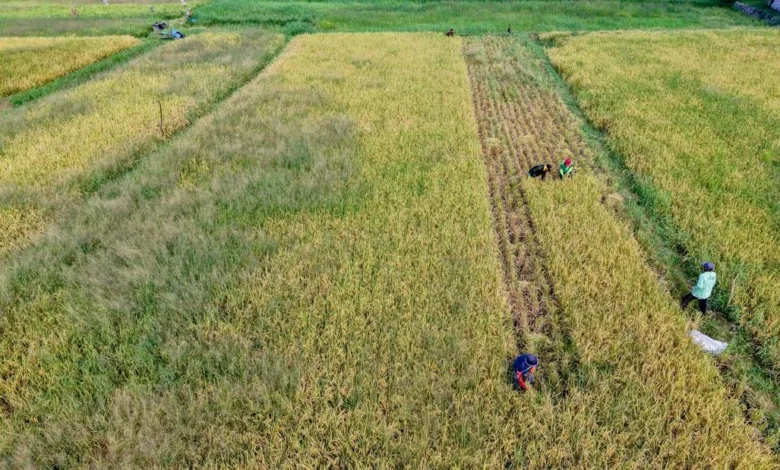
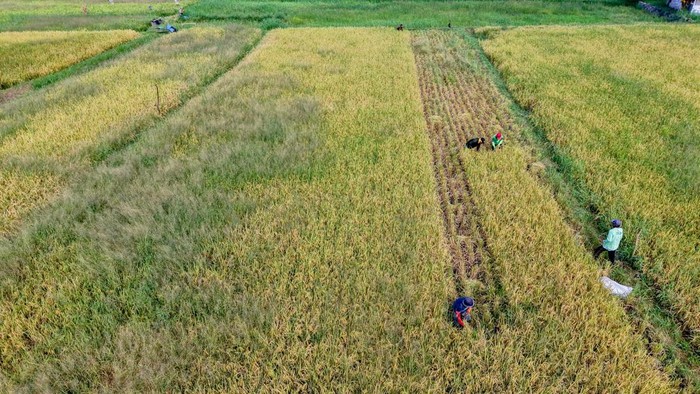
This statistical comparison demonstrates a net reduction of 4,51 thousand hectares, equating to a 7.52 percent year-on-year decrease in harvested land. While agricultural activities continue in core farming districts—such as the picturesque and fertile expanses of Talawaan in North Minahasa Regency, where agricultural laborers and local farmers remain actively engaged in harvesting—the overall footprint of productive paddy fields has clearly shrunk within a single calendar cycle. This data provides a sobering baseline for agricultural planners, economists, and policymakers tasked with maintaining regional food self-sufficiency.
Chronology and Context of the Agricultural Shift
To understand the trajectory that led to the 2026 figures, it is essential to examine the broader timeline of land-use evolution in North Sulawesi. Over the past decade, the province, known primarily for its coconut plantations, fisheries, and rapidly growing tourism sector, has experienced intense pressure on arable land.
In the years leading up to 2025, regional agricultural output faced intermittent disruptions stemming from erratic weather patterns associated with global climate shifts, including prolonged dry spells and shifting monsoon seasons. Furthermore, the rapid expansion of infrastructure development, residential zones, and commercial real estate in peri-urban areas surrounding major hubs like Manado, Bitung, and Minahasa has steadily encroached upon traditional agricultural zones.
By late 2025, agricultural extension services and local administrations had already noted localized difficulties in maintaining planting intensities. The transition into 2026 accelerated these underlying vulnerabilities. By the time BPS compiled its comprehensive mid-year and year-end agricultural metrics, the cumulative effect of land conversion, environmental stressors, and shifting economic incentives for farmers had crystallized into the 7.52 percent reduction in harvested area documented in the latest report.
Ground Realities in Agricultural Centers
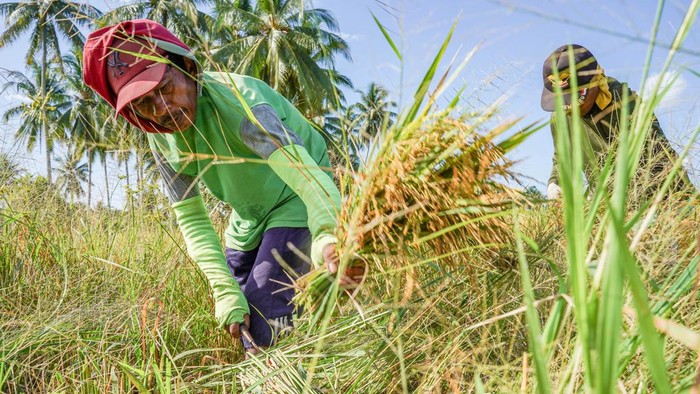
In agricultural heartlands like Talawaan, North Minahasa, the daily rhythm of farming persists despite systemic challenges. Visual documentation from late 2026 captures farmworkers navigating the verdant expanses of remaining paddies, shouldering freshly harvested grain under the tropical sun. These scenes of resilience mask a more complex underlying reality.
Many smallholder farmers in North Sulawesi are grappling with rising operational costs, including fertilizers, seeds, and labor, compounded by the increasing unpredictability of water supply for irrigation systems. While irrigation infrastructure has seen intermittent upgrades by regional governments, aging canals and the degradation of watershed areas due to land-use changes upstream have left several farming communities vulnerable to water deficits during critical crop development stages. Consequently, some farmers have opted to leave marginal lands fallow or convert them to more resilient, less labor-intensive cash crops, directly contributing to the contraction of the overall harvested area.
Official Responses and Institutional Stakeholder Perspectives
The release of the BPS data has prompted quiet urgency among agricultural authorities and regional stakeholders in North Sulawesi. While comprehensive emergency declarations have not been issued, representatives from regional agricultural offices and farmer associations have begun emphasizing the necessity of adaptive agricultural strategies.
Agricultural economists and regional policy analysts point out that a shrinking harvested area does not automatically translate into an immediate food crisis, provided that productivity per hectare (yield) can be enhanced. However, they caution that relying solely on yield intensification is a fragile strategy if the foundational land base continues to erode.
Local government bodies are being urged to strengthen agrarian protection policies, particularly regional spatial planning regulations (Rencana Tata Ruang Wilayah – RTRW) designed to safeguard productive agricultural land from speculative conversion. Additionally, discussions are underway to expand access to agricultural technology, improve high-yield seed distribution, and optimize climate-resilient farming techniques to help farmers maximize output on shrinking acreage.
Broader Economic Implications and Future Outlook
The contraction of North Sulawesi’s paddy harvested area carries significant implications for both the local economy and long-term food security. Rice remains a primary staple commodity for the population, and any sustained reduction in local production increases reliance on supplies shipped from other provinces, potentially exposing local consumers to price volatility driven by national logistical costs and inter-island transport dynamics.
Furthermore, the socio-economic impact on rural communities cannot be overstated. Agriculture remains a foundational employer in rural regencies such as Minahasa, North Minahasa, South Minahasa, and Bolaang Mongondow. When harvested areas decrease, the demand for agricultural labor diminishes, affecting the livelihoods of seasonal workers, tenant farmers, and smallholders alike. This dynamic risks accelerating rural-to-urban migration as younger generations seek alternative employment outside the agricultural sector.
Moving forward, addressing the root causes of the 7.52 percent reduction will require coordinated intervention between central and regional governments, agricultural cooperatives, and academic institutions. Investments in precision agriculture, robust irrigation rehabilitation, strict enforcement of sustainable land-use policies, and targeted financial incentives for active rice farmers will be paramount. Only through such multifaceted measures can North Sulawesi stabilize its agricultural foundation, protect its remaining agrarian landscapes, and secure a resilient food supply for the years to come.