Google Play Announces Strict New Adaptive App Quality Standards and Foldable Screenshot Requirements for Android Developers

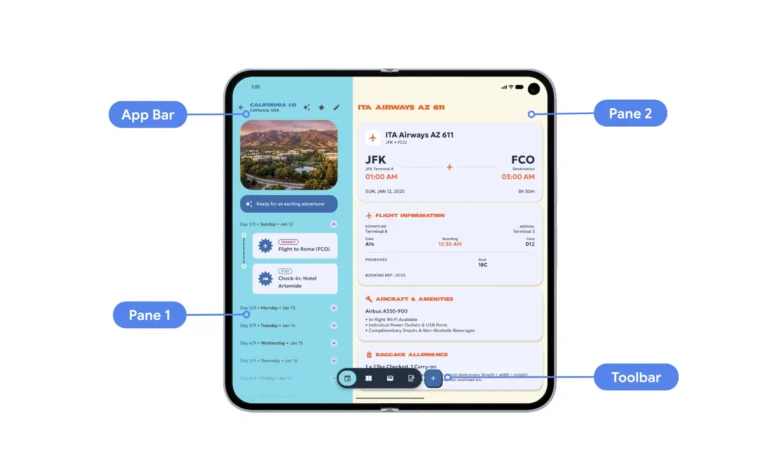
The landscape of mobile computing has shifted dramatically over the past several years, transitioning from traditional single-screen smartphones to a diverse ecosystem that includes foldables, dual-screen devices, tablets, laptops, and extended reality (XR) hardware. As consumer adoption of premium foldable Android devices accelerates at a rapid pace, hardware manufacturers and software architects alike face mounting pressure to deliver software experiences that capitalize on these versatile form factors. Recognizing that users expect seamless transitions between folded and unfolded states, Google has announced a major policy update for the Google Play Store. Effective April 2027, developers will be required to meet stringent new adaptive app quality standards and provide specialized visual assets for foldable devices, marking a pivotal milestone in Google’s ongoing effort to unify and elevate the Android user experience across more than 580 million large-screen devices currently in active circulation.
Background Context and Ecosystem Evolution
When Android first introduced native platform support for foldable devices, the hardware was largely viewed as an emerging, niche innovation reserved for early adopters and technology enthusiasts. However, market trends over subsequent product generations indicate that foldables have firmly established themselves as premium mainstream hardware. Today’s consumer base spans a wide variety of dimensions, aspect ratios, and mechanical postures—from book-style foldables with expansive inner displays to clamshell devices optimized for pocketability.

Despite this hardware evolution, software parity has historically lagged behind physical innovation. Users frequently encounter applications that fail to scale gracefully, resulting in awkward letterboxing, stretched interfaces, or abrupt crashes when a device transitions from its outer cover screen to its unfolded primary display. To bridge this gap, Google has aggressively promoted modern user interface toolkits such as Jetpack Compose. By leveraging declarative UI frameworks, developers can build adaptive layouts that fluidly adjust to changing screen real estate without requiring a total architectural overhaul. This adaptability is no longer merely a best practice; it is becoming a fundamental requirement for maintaining visibility and viability within the Android ecosystem.
The New Google Play Requirements for April 2027
Under the newly announced policies, Google Play is establishing a mandatory quality baseline designed to ensure that every application published on the platform honors the potential of modern hardware. Starting in April 2027, all applications distributed through the Google Play Store must meet at least Tier 3 of the Android adaptive app quality guidelines specifically formulated for foldables.
Applications that fail to achieve this designated quality threshold will face severe consequences. Specifically, non-compliant developers will lose the ability to publish new application versions or push critical updates through the Play Console. Furthermore, Google Play’s ranking and recommendation algorithms may penalize substandard applications, resulting in reduced visibility and discoverability on the store.
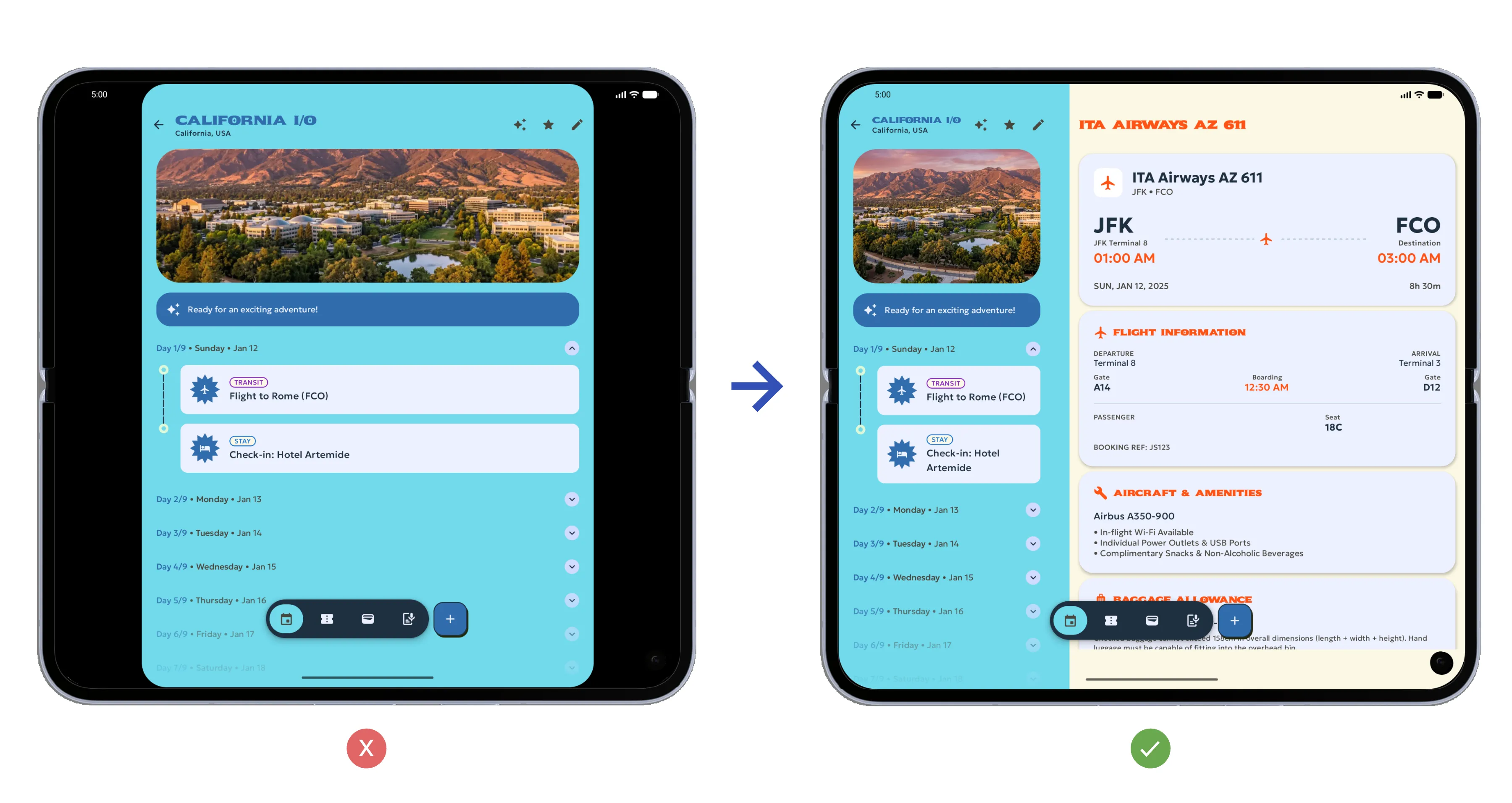
Google’s framework is structured hierarchically across three tiers:
- Tier 3 serves as the mandatory baseline, requiring apps to handle basic resizability, avoid destructive restarts during configuration changes, and prevent severe letterboxing on foldable covers and inner screens.
- Tier 2 elevates expectations by demanding multi-pane layouts, proper handling of foldable postures (such as tabletop or book modes), and fluid continuity during state transitions.
- Tier 1 represents the pinnacle of adaptive design, featuring advanced layout adaptations, deep integration with multitasking features like drag-and-drop, and full optimization across tablets, Googlebooks, and Android XR environments such as the XREAL Aura.
Although enforcement begins with Tier 3 for foldables in April 2027, Google has strongly advised the developer community to design for Tiers 2 and 1 immediately. As the platform bar continues to elevate, maintaining higher compliance tiers will unlock premium store badging, editorial spotlighting, and enhanced merchandising opportunities across the Google Play marketplace.
Store Listing and Visual Presentation Mandates
In tandem with functional quality standards, Google is overhauling its visual presentation requirements within the Play Console. Beginning today, developers have the option to upload dedicated foldable device screenshots to showcase their adaptive UI layouts to prospective users. However, this feature will transition from optional to mandatory in April 2027.
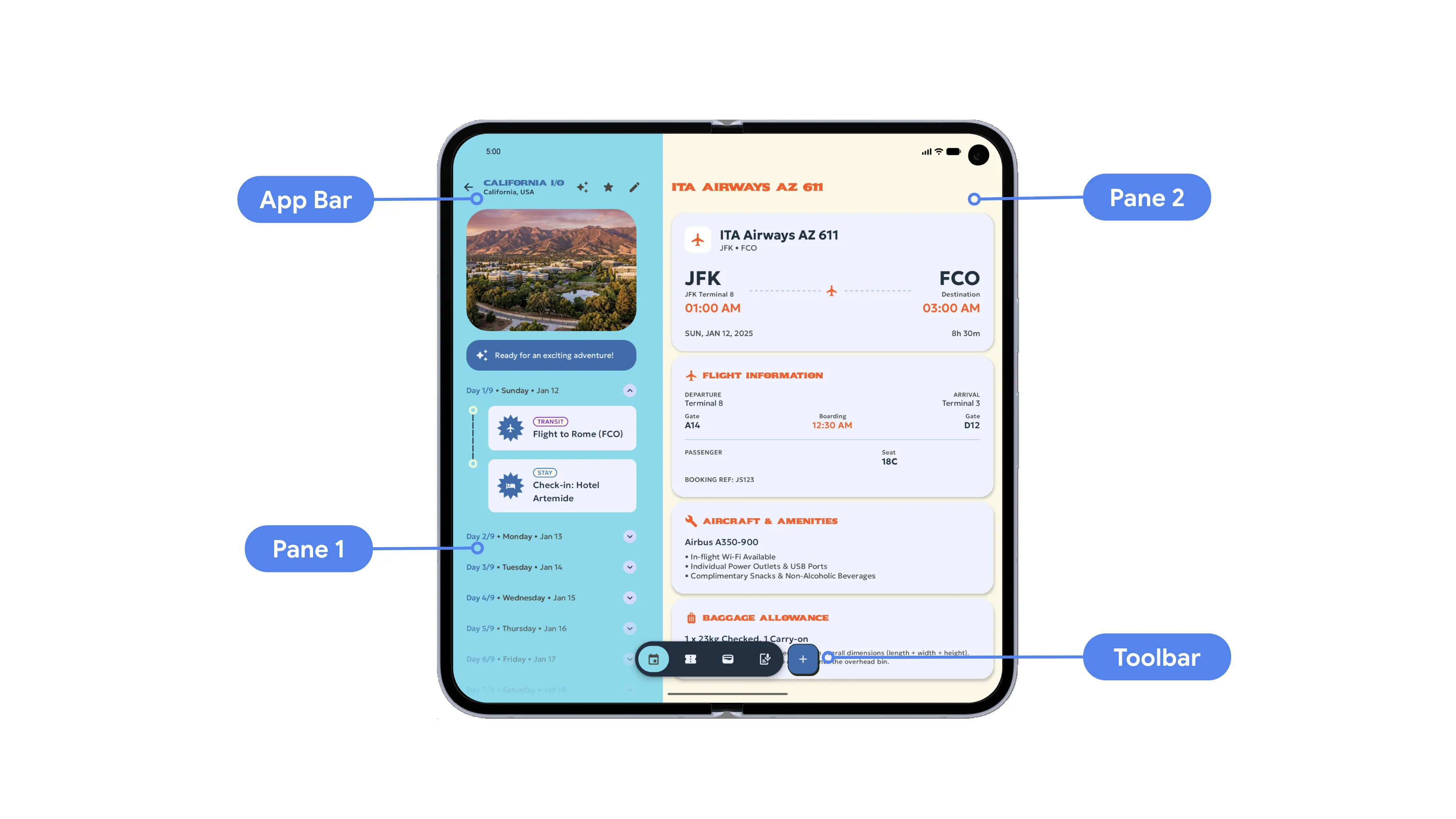
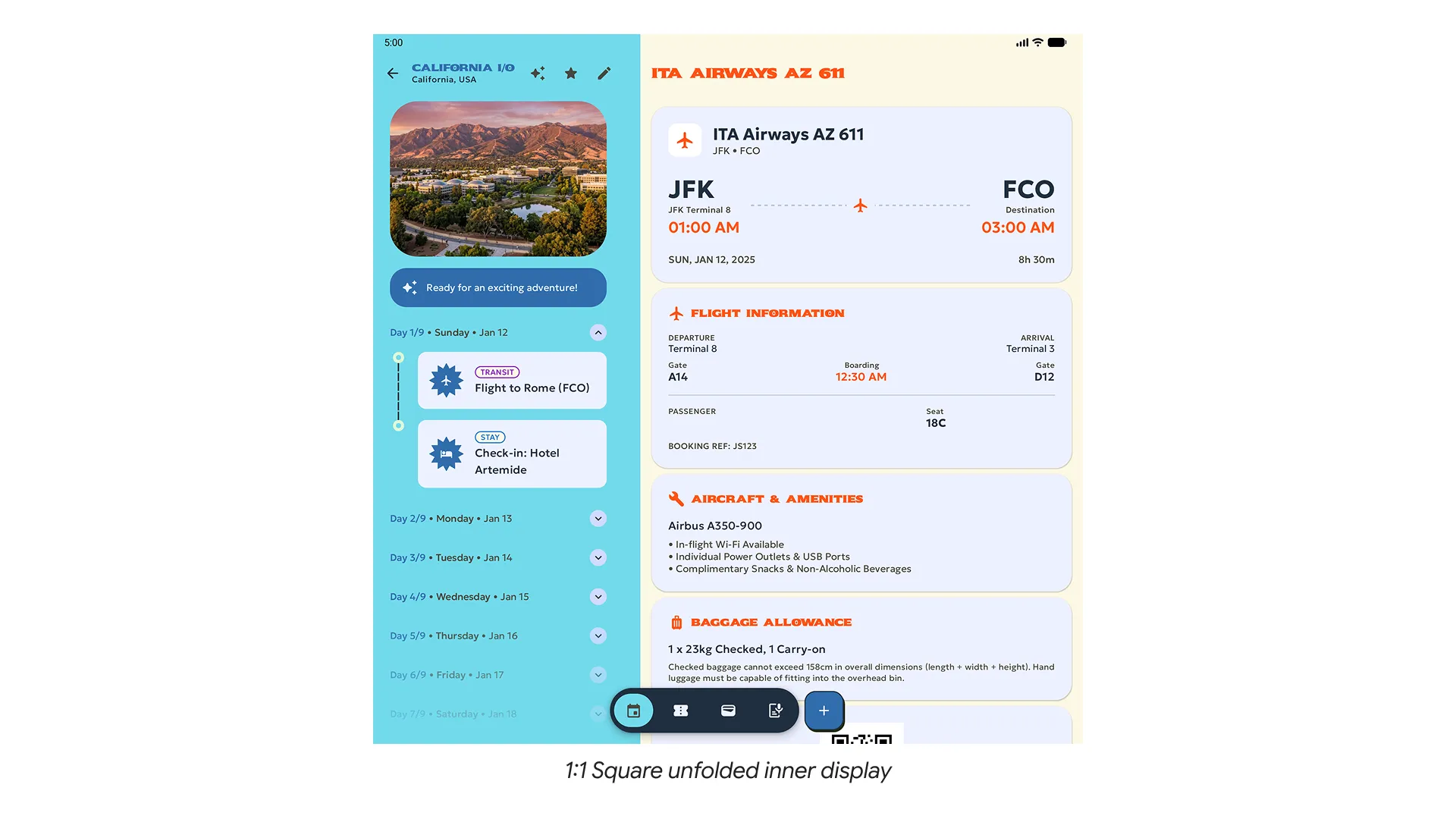
Under the updated submission guidelines, developers publishing new apps or updating existing store listings will be required to provide a minimum of three foldable screenshots in addition to the standard two traditional phone screenshots. These visual assets must accurately represent the application running on both folded outer screens and unfolded inner displays with varying aspect ratios, such as 1:1 and 4:3 configurations.
To assist developers in meeting these mandates without necessarily procuring an exhaustive lineup of physical hardware, Google provides robust tooling through the Android CLI and the Android Emulator. Developers can script automated screenshot generation across standardized virtual device profiles, ensuring their Play Store listings accurately reflect the app’s capability to deliver a polished experience across standard phones, landscape tablets, and sophisticated foldable form factors.
Strategic Milestones and Technical Roadmap
The April 2027 enforcement date is part of a broader, carefully sequenced technical roadmap implemented by Google to modernize the Android developer ecosystem. A critical parallel milestone involves the progressive requirement for apps to target API level 37 (Android 17). By advancing target API levels, Google is systematically removing legacy developer opt-outs that historically allowed apps to enforce strict orientation locks or arbitrary resizability restrictions on large screens.
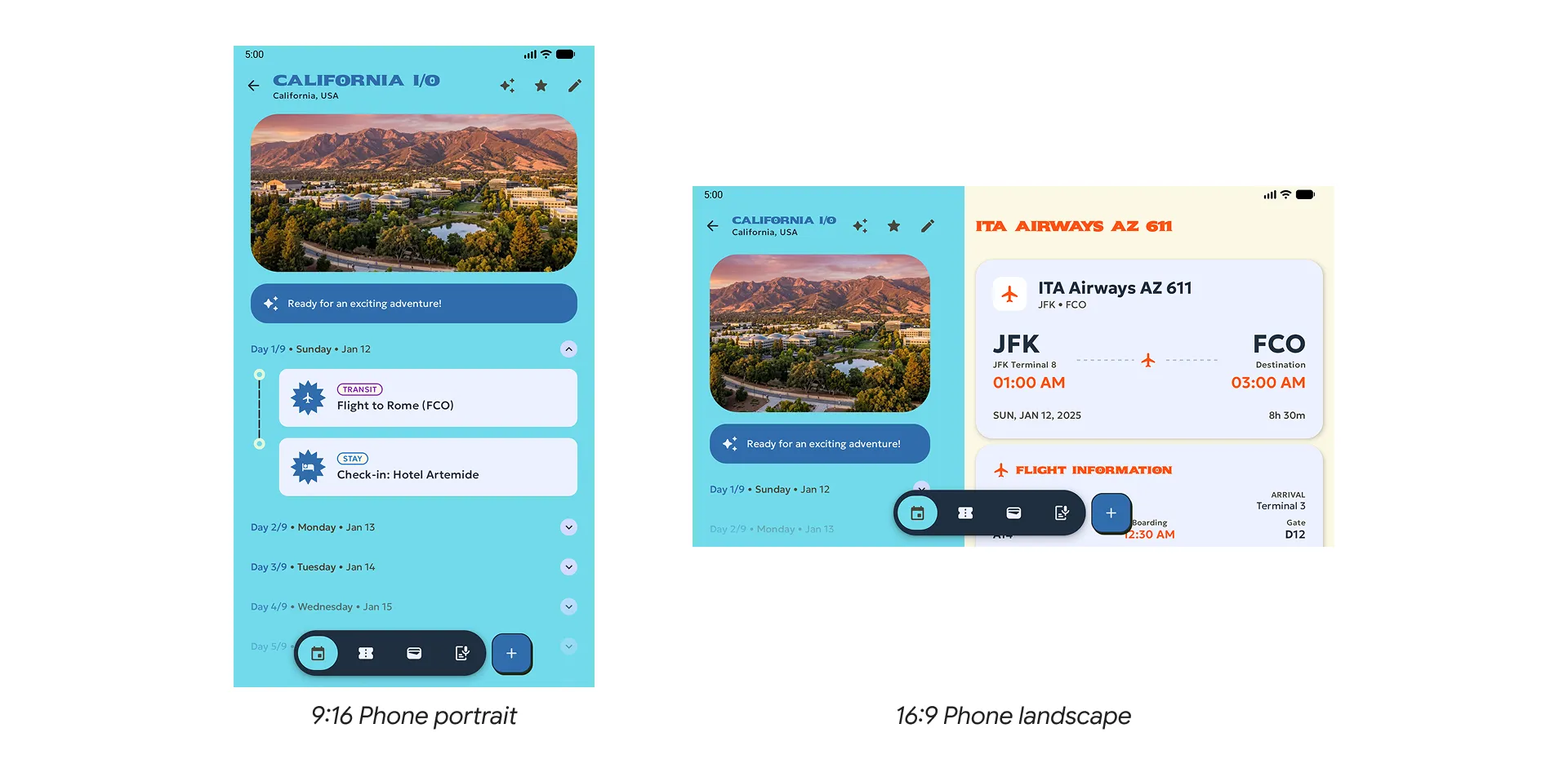
Industry analysts note that these technical mandates are designed to eliminate fragmentation. Historically, the fragmentation of screen sizes and aspect ratios was cited as one of the primary hurdles for Android developers compared to more tightly controlled rival ecosystems. By establishing rigid API standards and automated quality enforcement, Google is effectively shifting the burden of responsiveness onto the software layer, ensuring that whether a user is interacting with an Alexa tablet, a Googlebook laptop, an Android XR headset, or a cutting-edge foldable phone, the software responds intuitively to its environment.
Implications for Developers and the Broader Industry
The reaction from the software engineering community has been largely pragmatic. While smaller development studios and indie developers may face short-term resource constraints in auditing and rewriting legacy UI codebases, enterprise developers and major application publishers have increasingly embraced adaptive design as a necessary investment in user retention. Poor user experience on large screens directly correlates with high uninstallation rates and negative store reviews.
Furthermore, Google has tailored its strategy to accommodate different verticals within the digital marketplace. Recognizing that interactive software and high-end gaming have fundamentally different architectural demands, Google has established distinct, specialized large-screen quality requirements tailored specifically to games on Google Play. Game developers are encouraged to consult separate compliance tracks that address asset scaling, touch input mapping, and aspect ratio management unique to interactive entertainment.
Next Steps and Preparation Resources
To ensure a smooth transition ahead of the 2027 deadline, Google has outlined a comprehensive checklist for development teams:
- Audit existing application codebases against the Android adaptive app quality guidelines to identify architectural bottlenecks, hardcoded UI dimensions, and improper orientation handling.
- Adopt modern declarative UI frameworks like Jetpack Compose to streamline the implementation of multi-pane layouts and posture-aware components.
- Integrate the Android Emulator and CLI automation tools into regular Continuous Integration/Continuous Deployment (CI/CD) pipelines to test layout responsiveness across diverse screen resolutions.
- Prepare and test high-resolution foldable screenshots in anticipation of the mandatory Play Console listing updates.
Meeting these rigorous adaptive app quality requirements represents a fundamental turning point for the Android ecosystem. By raising the bar for software craftsmanship, Google aims to cement the platform’s dominance across an expanding horizon of innovative hardware, ensuring that consumers enjoy a consistent, high-tier experience regardless of the device they choose to use.