NVIDIA GeForce NOW Expands Cloud Gaming Library with Path of Exile Curse of the Allflame Battlefield 6 Season 4 and Iconic Capcom Classics

NVIDIA has officially announced its latest GFN Thursday update, marking a significant expansion of the GeForce NOW library through the integration of major seasonal content updates and the addition of beloved retro titles. This week’s rollout focuses on high-performance streaming for "Path of Exile: Curse of the Allflame" and "Battlefield 6 Season 4," while simultaneously addressing the growing demand for legacy gaming via Capcom’s "Dino Crisis" series and "Breath of Fire IV." These additions underscore NVIDIA’s strategic commitment to transforming the cloud gaming experience from a secondary alternative into a primary platform capable of delivering high-fidelity, low-latency gaming without the traditional barriers of hardware limitations or lengthy download times.
Path of Exile Curse of the Allflame Redefines Action RPG Mechanics
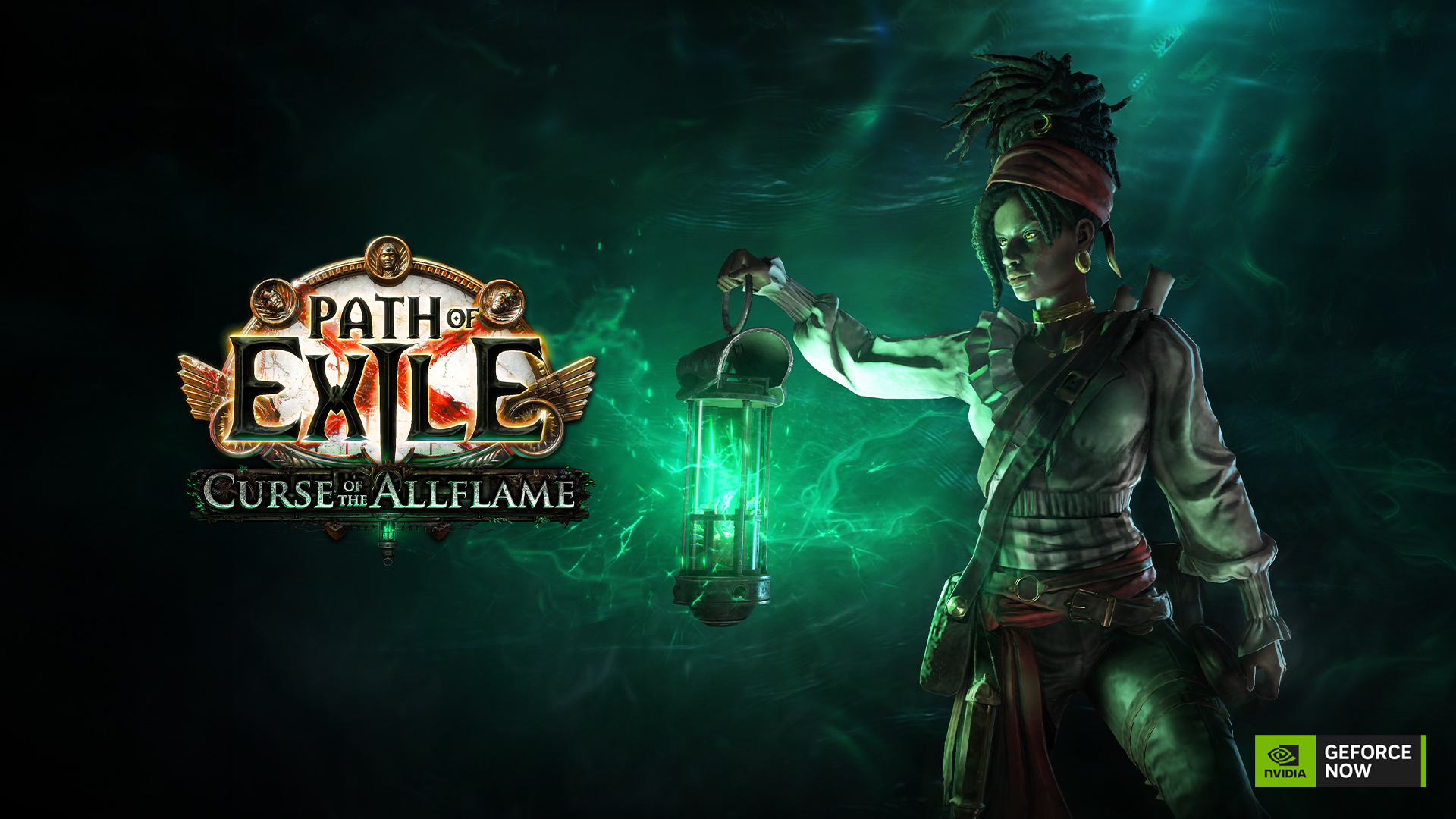
The headline addition for the week is the launch of "Path of Exile: Curse of the Allflame," scheduled for Friday, July 24. Developed by Grinding Gear Games, this expansion represents a significant shift in the game’s long-standing mechanical architecture. Players are invited to explore the "Frozen Seas" of Wraeclast, a narrative expansion that introduces the legendary vessel known as the Sovereign. Guided by the corsair captain Valerie and her cursed navigator Vesper, players must navigate treacherous waters to uncover relics using the new Allflame Lantern system.
From a technical standpoint, the "Curse of the Allflame" update is one of the most ambitious in the game’s history. It introduces a comprehensive rework of the "sockets and links" system, a core component of the game’s character progression that has remained largely unchanged for years. By streamlining how players interact with their equipment, the developers aim to lower the barrier to entry while maintaining the depth that veteran "Exiles" expect. Furthermore, the introduction of the Luminary Ascendancy for the Scion class provides new strategic avenues for endgame content.
GeForce NOW members benefit specifically from this launch by bypassing the typically massive patch sizes associated with "Path of Exile" expansions. Given that "Path of Exile" is a game defined by its complex economy and time-sensitive "league starts," the ability to stream the update instantly upon release provides a competitive advantage for cloud users who can jump into the Frozen Seas the moment the servers go live.
Battlefield 6 Season 4 and the Evolution of Naval Combat
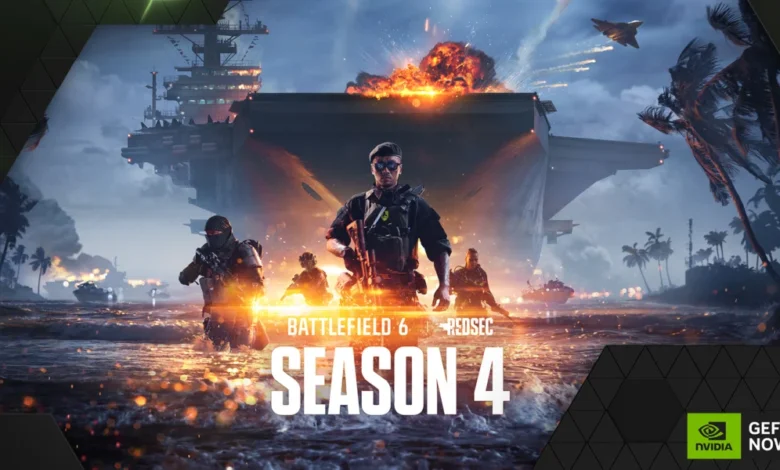
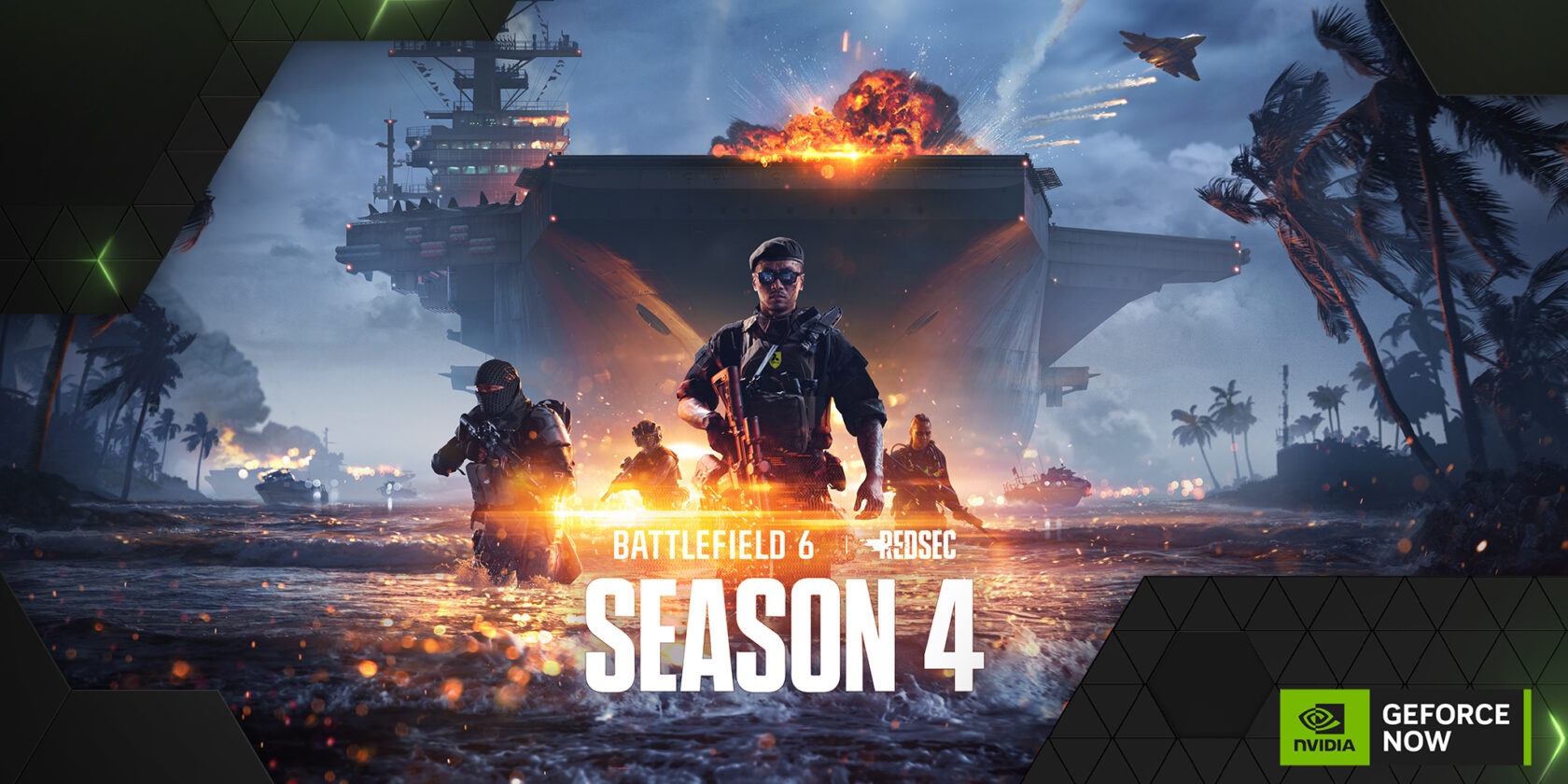
Military simulation enthusiasts are receiving a major content injection with "Battlefield 6 Season 4." This season emphasizes large-scale warfare across land, air, and sea, introducing the Tsuru Reef map and the highly anticipated return of Wake Island in its second phase. Wake Island, a staple of the franchise since its inception, has been reimagined with modern destruction physics and a dynamic wave system.
The technical integration of the dynamic wave system is particularly noteworthy for cloud gaming. Traditionally, complex water physics and large-scale naval vehicles—including aircraft carriers with fully operational flight decks—require significant local processing power. However, NVIDIA’s Ultimate members can leverage GeForce RTX 5080-powered performance to render these environments at high frame rates with ray-tracing enabled. The update also introduces Custom Lobbies and a dedicated Spectator Mode, features aimed at fostering the competitive community and content creators.
By hosting "Battlefield 6" on its Ultimate tier, NVIDIA is positioning itself as the premier destination for competitive shooters. The use of RTX 5080 architecture allows for NVIDIA Reflex technology, which minimizes click-to-pixel latency, a critical factor in fast-paced multiplayer environments where milliseconds can determine the outcome of an engagement.
Capcom Classics and the Preservation of Gaming History
In a move that bridges the gap between modern technology and nostalgia, NVIDIA has added three legendary Capcom titles to the GeForce NOW service: "Breath of Fire IV," "Dino Crisis," and "Dino Crisis 2." This expansion into the "retro" space highlights a growing trend in the cloud industry: the use of modern infrastructure to play classic games on non-traditional hardware.
"Breath of Fire IV," originally released for the PlayStation, is celebrated for its intricate sprite work and its dual-protagonist narrative featuring Ryu and Fou-Lu. Its addition to the cloud allows a new generation of players to experience one of the peak examples of the JRPG genre on devices ranging from smartphones to 4K televisions.
The inclusion of "Dino Crisis" and its sequel is perhaps even more significant for the community. Often described as "Resident Evil with dinosaurs," the "Dino Crisis" series has long been a candidate for a modern remake. By making the original versions available via GeForce NOW, NVIDIA and Capcom are providing an accessible way to play these survival-horror benchmarks without the need for legacy hardware or complex emulation setups. These games are now playable on modern "thin clients" such as Chromebooks and the Steam Deck, proving that cloud gaming is as much about accessibility as it is about raw power.
Halo Campaign Evolved and Early Access Advantages
Microsoft’s continued partnership with NVIDIA sees another milestone this week with the Advanced Access period for "Halo: Campaign Evolved." Players who have pre-purchased the Premium Edition of the title can begin their journey through the iconic ringworld starting this weekend, ahead of the global launch on Tuesday, July 28.
The availability of "Halo" on GeForce NOW is a testament to the shifting landscape of platform exclusivity. What was once the definitive Xbox console exclusive is now playable on nearly any screen with an internet connection. For GeForce NOW members, this means the ability to experience the Master Chief’s origin story with the visual fidelity of a high-end PC, even if they are playing on a low-powered laptop or a mobile device.
Chronology of Releases and Technical Specifications
To ensure members are prepared for the upcoming week, NVIDIA has outlined a clear timeline for game availability:
- Immediately Available: "Battlefield 6 Season 4," "Breath of Fire IV," "Dino Crisis," "Dino Crisis 2," and "Halo: Campaign Evolved" (Advanced Access for Premium Edition).
- Friday, July 24: "Path of Exile: Curse of the Allflame" expansion launch.
- Tuesday, July 28: Global launch of "Halo: Campaign Evolved."
In terms of technical requirements, NVIDIA continues to recommend a minimum of 15 Mbps for 720p streaming at 60 FPS and 25 Mbps for 1080p at 60 FPS. For Ultimate members looking to utilize the full power of the RTX 5080 servers—which support up to 4K resolution at 240 FPS—a connection of at least 45 Mbps is advised.
Analysis: The Strategic Importance of Device Flexibility
The recent GFN Thursday update coincides with an increase in community discourse regarding the "why" behind cloud gaming. A recent discussion within the GeForce NOW community highlighted a recurring theme: flexibility. Many users who own high-end local hardware, such as systems equipped with RTX 5070 Ti GPUs, are returning to GeForce NOW Ultimate memberships.
The primary driver for this shift is the "travel companion" aspect of the service. With the rise of handheld gaming PCs like the Steam Deck and the ASUS ROG Ally, players are increasingly unwilling to be tethered to a single desk. GeForce NOW allows these users to maintain their progress and visual fidelity across multiple devices. This "cross-play, cross-save, cross-device" ecosystem is becoming the standard expectation for modern consumers.
Furthermore, the economic implications of the service cannot be overlooked. As the cost of high-end GPUs continues to rise, the subscription model of GeForce NOW Ultimate offers a "hardware-as-a-service" alternative. For the price of a monthly subscription, users gain access to performance that would otherwise cost thousands of dollars in upfront hardware investment.
Broader Impact on the Gaming Industry
NVIDIA’s consistent weekly updates are a clear signal to the industry that cloud gaming is no longer in its experimental phase. By securing day-and-date launches for major expansions like "Path of Exile" and "Battlefield," NVIDIA is demonstrating its ability to handle the massive traffic spikes and technical demands of the modern gaming calendar.
The inclusion of Capcom’s back catalog also suggests a potential future where cloud gaming services act as digital archives. As digital storefronts for older consoles close down, cloud platforms could become the primary method for preserving and distributing classic titles. This week’s update is more than just a list of new games; it is a demonstration of the cloud’s versatility in catering to the competitive shooter fan, the hardcore ARPG strategist, and the retro gaming enthusiast simultaneously. As "Halo" prepares for its global launch and "Path of Exile" enters a new era, the GeForce NOW ecosystem continues to expand its footprint in the global gaming market.