Googlebook Unveils Powerful New Linux Terminal in Preview to Accelerate Agentic AI Workflows and Developer Productivity

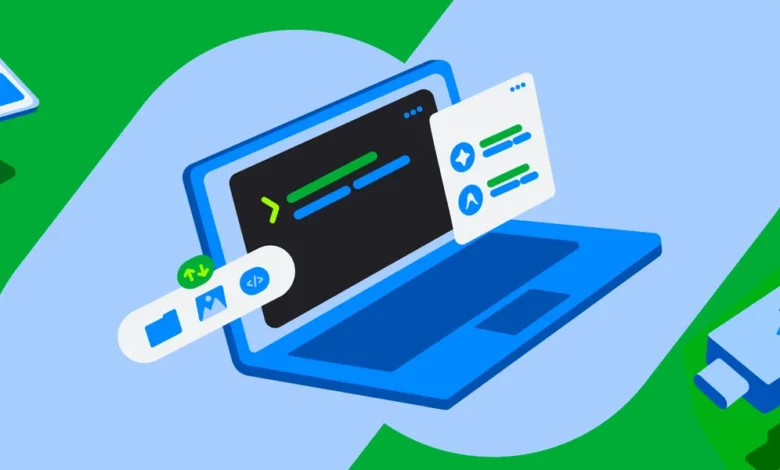
The landscape of artificial intelligence integration is undergoing a fundamental shift, moving from simple chat interfaces and passive generation tools to active, agent-driven workflows that interact directly with computing environments. To address this paradigm shift, Googlebook has announced the preview release of a robust, fully integrated Linux terminal designed to bridge the gap between non-programmers and advanced developer tools. By equipping its ecosystem with pre-installed command-line tooling, Googlebook aims to democratize access to agentic AI development, enabling users to leverage plain-language prompts to automate complex tasks, manage local files, and prototype software applications without needing deep systems-engineering expertise.
The announcement arrives at a critical juncture in the consumer and enterprise computing markets. As large language models (LLMs) evolve into autonomous agents capable of executing multi-step instructions, the primary bottleneck has shifted from model intelligence to environmental execution. Traditionally, running agentic workflows required manual command-line configuration, setting up secure execution boundaries, and navigating complex development environments. With this new Linux terminal preview, Googlebook is attempting to remove these barriers, providing an accessible entry point for both seasoned developers and everyday users looking to harness the full potential of AI automation.
Architecture and Security: Balancing Power with Isolation
One of the central engineering challenges in introducing a command-line interface to a consumer-focused operating system is mitigating the inherent security risks associated with terminal access. Command-line tools grant deep system privileges, which, if mishandled by an AI agent or an inexperienced user, can lead to catastrophic file corruption, system instability, or unauthorized data exposure.
To counteract these vulnerabilities, Googlebook OS has been architected around a defense-in-depth security model. All terminal commands execute entirely within an isolated Linux virtual machine (VM), creating a robust sandbox that shields the host operating system from unintended alterations. This architectural boundary allows users to safely grant elevated administrator privileges—such as sudo access—to sophisticated AI frameworks and agentic platforms like Antigravity. These platforms frequently rely on deep command-line execution to install packages, compile code, and configure system settings.
Furthermore, the isolation framework strictly controls how the virtual machine interacts with the user’s personal data. Directories from the host file system are only mounted inside the Linux VM after the user grants explicit, intentional permission. This ensures that unmounted personal files remain completely invisible and inaccessible to both the terminal environment and any autonomous agents operating within it.
For experimentation-driven development, safety nets are crucial. Googlebook has integrated a one-click VM reset feature, allowing users to wipe the virtual machine environment clean and start over instantly if an experiment goes awry or a script causes unforeseen system instability. Crucially, this reset mechanism preserves user files stored on the host file system, lowering the psychological barrier to experimentation and encouraging continuous learning. Additionally, native integration ensures that Linux files remain visible and manageable directly within the Googlebook Files app, bridging the gap between traditional consumer file management and advanced developer workflows. Users can effortlessly access local folders, including media and documents synced seamlessly from Android mobile devices, allowing for rapid batch-processing of files via straightforward Python scripts or AI agents in a matter of seconds.
Developer Freedom and Ecosystem Flexibility
While the inclusion of a Linux terminal opens new doors for AI automation, it simultaneously caters to traditional developers seeking a flexible, mature workspace. Powered by a Debian Linux environment, the new terminal grants users access to a time-tested ecosystem familiar to millions of software engineers worldwide.
Out of the box, the Debian-based VM provides immediate access to essential command-line utilities and package management systems, including apt, git, ssh, and a comprehensive suite of compilers and runtimes. The environment has been heavily optimized for rapid prototyping, full-stack web development, scripting, and command-line-driven AI workflows.
Among its standout technical features is automatic localhost port forwarding, which seamlessly routes traffic from the Linux VM directly to the host browser, greatly simplifying web application development and local testing. Modern development runtimes—such as Node.js, Python, Ruby, Go, and Rust—come ready for deployment. Moreover, recognizing that different tasks demand varying resource allocations, Googlebook allows users to manually adjust the amount of memory dedicated to the Linux VM, tailoring performance to match specific workloads.
Internal testing by Googlebook engineers highlights the versatility of the new environment. Development teams have successfully utilized the setup for heavy-duty tasks such as compiling custom Linux kernels and engaging in advanced platform engineering, proving that the tool is capable of scaling from simple automated scripting to enterprise-grade software development.
The Chronology of Integration and Public Feedback
The rollout of the Linux terminal represents the culmination of months of iterative development and community engagement within the Googlebook ecosystem. The journey began with foundational updates to the platform’s security architecture, prioritizing sandboxed virtualization to ensure that future developer-centric features would not compromise baseline consumer safety.
Following internal alpha testing, where platform engineers validated the VM’s performance under heavy compilation workloads, the engineering team turned its attention to streamlining the user experience. Recognizing that agentic AI required tighter integration between natural language processing and local file execution, developers prioritized features such as selective directory mounting and seamless file synchronization with Android devices.
The transition to a public preview phase marks a strategic shift toward community-driven development. Googlebook has actively solicited feedback from early adopters and developers across community channels, including official support forums and dedicated discussion hubs like the r/googlebook community on Reddit. Early responses from the community have highlighted enthusiasm for the low-barrier entry point into agentic development, alongside constructive suggestions for future feature sets.
Looking Ahead: The Roadmap for Linux Integration
As the preview phase progresses, Googlebook has outlined an ambitious future roadmap designed to deepen the integration between the Linux environment and the host operating system. Chief among the anticipated upcoming features is comprehensive support for Linux graphical user interface (GUI) applications.
Historically, running graphical Linux applications on lightweight or specialized operating systems required cumbersome third-party tools or complex configuration scripts. Googlebook’s roadmap includes direct integration of Linux GUI apps straight into the platform’s native app launcher, effectively blurring the lines between native applications and containerized Linux software. This advancement will allow users to run desktop-class integrated development environments (IDEs), image editors, and specialized utilities side-by-side with standard consumer applications.
Additional roadmap items focus on performance optimization, expanded hardware acceleration within the VM—such as better GPU passthrough for machine learning model training—and enhanced collaboration tools for multi-user or remote development setups.
Broader Implications for the Computing Industry
The introduction of an accessible, sandboxed Linux terminal paired with agentic AI capabilities signals a broader trend in the personal computing and operating system markets. For decades, consumer operating systems and developer environments existed in separate silos: consumer platforms prioritized ease of use and strict security sandboxing at the expense of deep system customization, while developer platforms offered uninhibited control at the expense of user safety and accessibility.
Googlebook’s approach suggests a viable middle ground. By leveraging hardware-level virtualization and granular permission models, modern operating systems can deliver the best of both worlds—empowering non-technical users to harness the immense productivity benefits of autonomous AI agents and command-line tools without exposing themselves to undue security risks or system instability.
As agentic AI transitions from experimental laboratories to mainstream consumer devices, the ability to safely execute code, automate repetitive tasks, and prototype software in natural language will likely become a baseline expectation for personal computing hardware. By establishing a secure, flexible, and developer-friendly foundation today, Googlebook is positioning itself at the forefront of this technological transition, inviting developers, hobbyists, and everyday users to collaboratively shape the future of agentic computing.