AWS Developer Experience Team Engages with AWS Korea User Group, Highlights Lambda Innovations, and Addresses Billing Incident

AWS Developer Experience Team Engages with AWS Korea User Group, Highlights Lambda Innovations, and Addresses Billing Incident
AWS Developer Experience Team Engages with AWS Korea User Group, Highlights Lambda Innovations, and Addresses Billing Incident
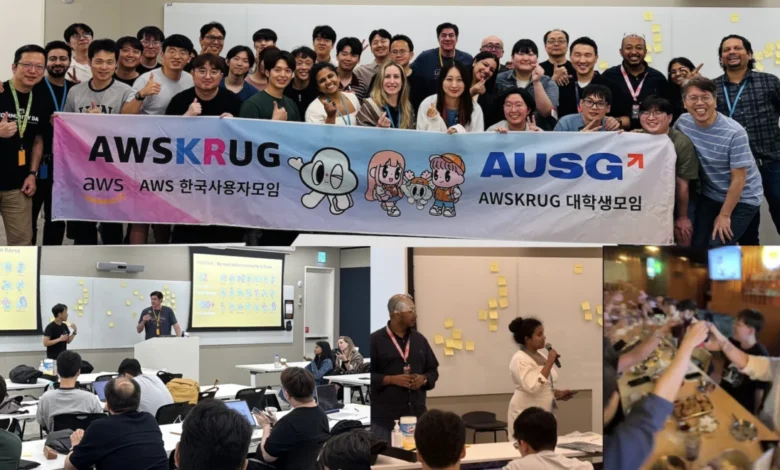
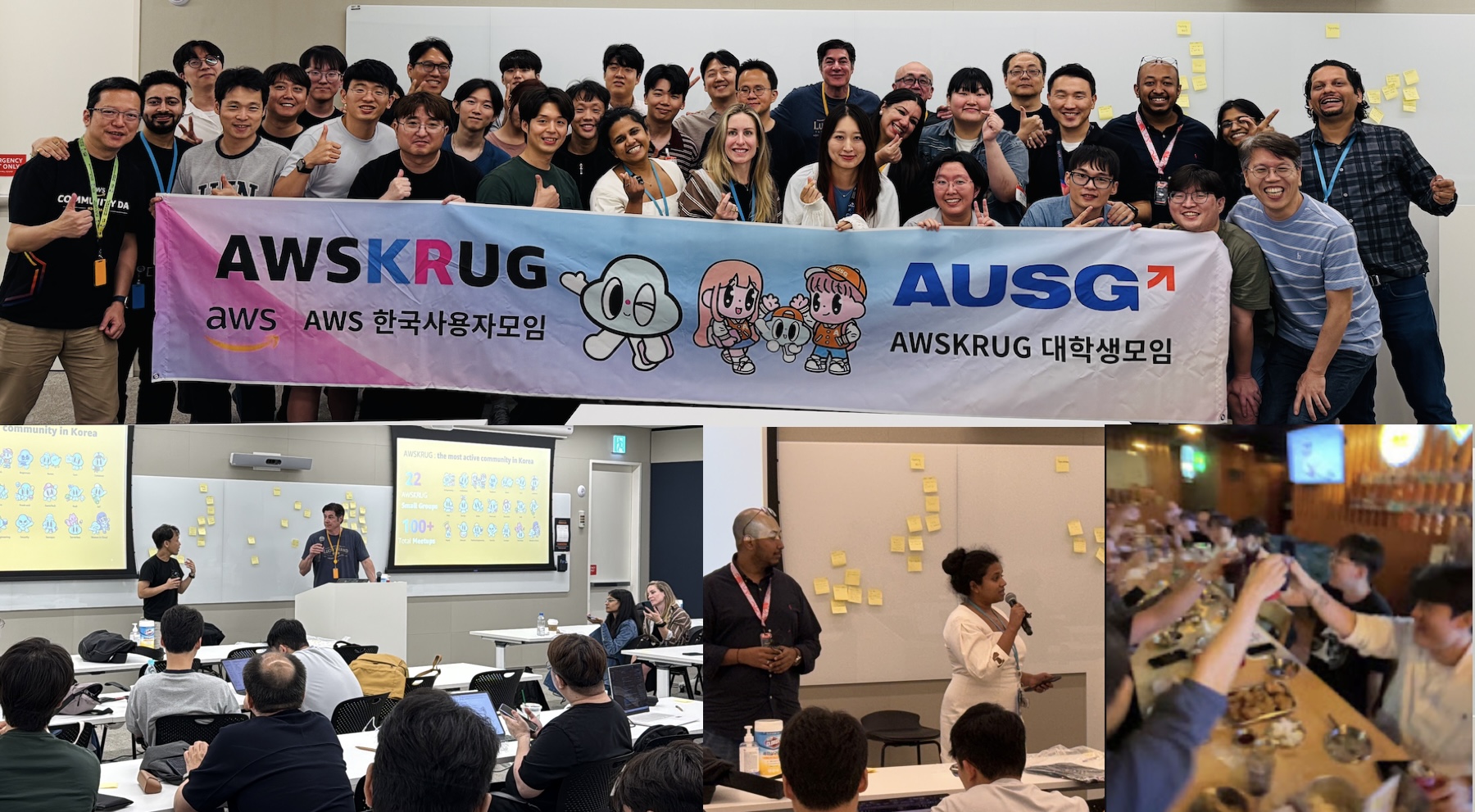
AWS recently deepened its engagement with the vibrant AWS Korea User Group (AWSKRUG), the largest cloud developer community in South Korea. A delegation from the AWS Developer Experience team visited Seoul last week for a series of meetings and discussions with AWSKRUG leaders. This initiative underscores AWS’s commitment to fostering strong relationships with its global developer communities and incorporating their feedback into service development and support.
AWSKRUG, with its extensive network of over 20 topic and area-specific meetup groups, predominantly based in Seoul, orchestrates more than 100 events annually. This consistent activity highlights the dynamic and active nature of the Korean cloud developer ecosystem. The recent visit provided a valuable platform for the AWS team to gain firsthand insights into the community’s successes, areas for improvement, and specific requests from the Developer Experience team.
The meetings were characterized by open and candid exchanges, allowing AWSKRUG leaders to share their perspectives on the first half of the year. This feedback loop is crucial for AWS as it seeks to align its offerings with the evolving needs of developers on its platform. The engagement extended beyond formal discussions, with the team and user group leaders participating in a convivial "Chimaek" (Korean for chicken and beer) gathering, a culturally relevant setting that further strengthened the collaborative spirit.
Key Innovations and Developer Tools Spotlighted
During the visit, the AWS Developer Experience team also highlighted recent AWS launches and innovations designed to empower developers. A particular point of interest was the introduction of a one-click Lambda setup prompt for coding agents. This feature aims to streamline the process of integrating AWS Serverless capabilities into AI-powered development workflows.
The new prompt is engineered to automatically configure coding agents with essential AWS Serverless skills and the Serverless Model Context Protocol (MCP) server. This embedding of serverless best practices from the outset is designed to reduce the learning curve and accelerate the development of serverless applications. The prompt directly references the Lambda agent setup guide, which provides installation commands for a range of popular AI coding tools, including Claude Code, Kiro, Cursor, GitHub Copilot, Codex, Devin Desktop, and OpenCode.
Developers can readily access this functionality through the AWS Lambda console. By selecting a "Copy agent prompt" button, or by directly copying the provided URL (https://docs.aws.amazon.com/lambda/latest/dg/samples/aws-lambda-agent-setup.md), users can seamlessly integrate these configurations into their preferred AI agent environments.
Furthermore, AWS promoted the Agent Toolkit for AWS, a resource designed to equip coding agents with up-to-date AWS knowledge and secure access to AWS resources. The installation instructions for the AWS MCP Server, a key component for agent integration, are available via the URL https://raw.githubusercontent.com/aws/agent-toolkit-for-aws/refs/heads/main/setup-instructions/setup.md. These tools collectively represent AWS’s strategic focus on enhancing developer productivity and simplifying the adoption of cloud-native architectures.
Broader Context of AWS Developer Community Engagement
AWS’s outreach to the AWSKRUG is part of a broader, ongoing strategy to engage with and support its global developer communities. Throughout the Asia-Pacific region, AWS teams regularly visit user groups, listen to feedback, and provide resources to foster community growth. This approach recognizes that thriving developer communities are essential for driving innovation and adoption of cloud technologies.

The feedback gathered from these interactions directly informs AWS’s product roadmaps and service enhancements. By understanding the challenges and aspirations of developers on the ground, AWS can better tailor its offerings to meet real-world needs. This customer-centric approach has been a hallmark of AWS’s success, enabling it to maintain its leadership position in the cloud computing market.
The consistent growth of AWSKRUG, reflected in its numerous active meetup groups and frequent events, suggests a strong demand for cloud expertise and collaborative learning opportunities in South Korea. The user group serves as a vital hub for knowledge sharing, problem-solving, and networking among AWS users, from individual developers to enterprise teams.
AWS Billing Incident and Customer Impact
In addition to community engagement and technical updates, the recent AWS blog post also addressed a significant operational incident that affected some customers. Over the past weekend, a portion of AWS customers experienced an issue with AWS Cost Explorer, which resulted in the display of inaccurate estimated billing data.
This inaccuracy led to erroneous budget alerts and cost anomaly detection notifications. Customers also observed inflated estimated cost and usage data within Cost Explorer. The AWS Health Dashboard confirmed the operational issue, specifically identifying it as an AWS Billing operational issue (Event ID: arn:aws:health:global::event/BILLING/AWS_BILLING_OPERATIONAL_ISSUE/AWS_BILLING_OPERATIONAL_ISSUE_47B68_BACBD91434F).
AWS has confirmed that the issue has since been resolved, and all AWS services are now operating normally. The company issued an apology to the affected customers for the concern and disruption caused by the incident. A thorough retrospective is underway to identify the root causes of the problem and implement measures to prevent similar occurrences in the future. Furthermore, AWS stated its commitment to improving its response protocols for billing-related incidents.
The incident, though resolved, highlights the critical importance of accurate cost management tools for cloud users. For businesses operating at scale on AWS, reliable cost data is fundamental for financial planning, resource optimization, and budget adherence. The prompt resolution and transparent communication by AWS are crucial steps in rebuilding customer confidence following such an event.
Broader Implications and Future Outlook
The engagement with AWSKRUG and the introduction of new developer tools like the one-click Lambda setup prompt for coding agents signal AWS’s continued dedication to empowering developers. As AI continues to transform software development, AWS is proactively integrating AI capabilities into its services and providing tools that enable developers to leverage these advancements effectively.
The incident with AWS Cost Explorer, while unfortunate, serves as a reminder of the complexities inherent in managing large-scale cloud infrastructure and billing systems. AWS’s commitment to transparency and continuous improvement in addressing such issues is vital for maintaining trust with its customer base.
Looking ahead, AWS is set to host a variety of in-person and virtual events, including AWS Summits, startup events, and developer-focused gatherings. These events, accessible through the AWS events portal, offer further opportunities for learning, networking, and connecting with the broader AWS community. The AWS Builder Center also remains a key resource for developers seeking to connect with peers, share solutions, and access development content.
The AWS blog continues to be a valuable resource for staying abreast of the latest announcements and updates. Readers are encouraged to monitor the "What’s New with AWS" page for a comprehensive list of all AWS announcements and the AWS Blogs page for curated content and insights from the AWS community. The author, Channy, concludes the weekly roundup by promising further updates in the coming weeks.