Leveraging Python Dataclasses to Replace Fragile Configuration Dictionaries and Improve Application Reliability

Modern software development often relies on configuration management to drive the behavior of complex batch processing jobs, machine learning pipelines, and data ingestion workflows. For years, the standard approach in the Python ecosystem has been the use of loose, nested dictionaries. While these structures are technically convenient and flexible, they frequently become a source of technical debt, leading to "silent failures" where misspelled keys, inconsistent default values, and structural ambiguity cause code to behave unpredictably. As applications scale, these fragile data structures often result in difficult-to-debug runtime errors that surface only when a configuration is improperly parsed or when a function expects a specific schema that the dictionary fails to guarantee.
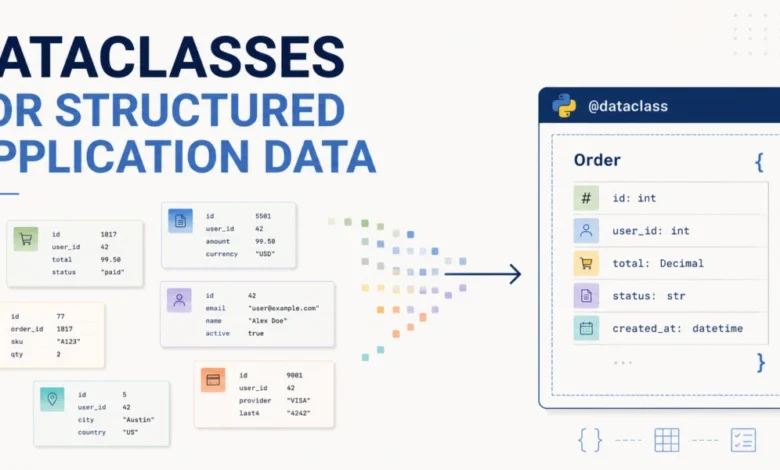
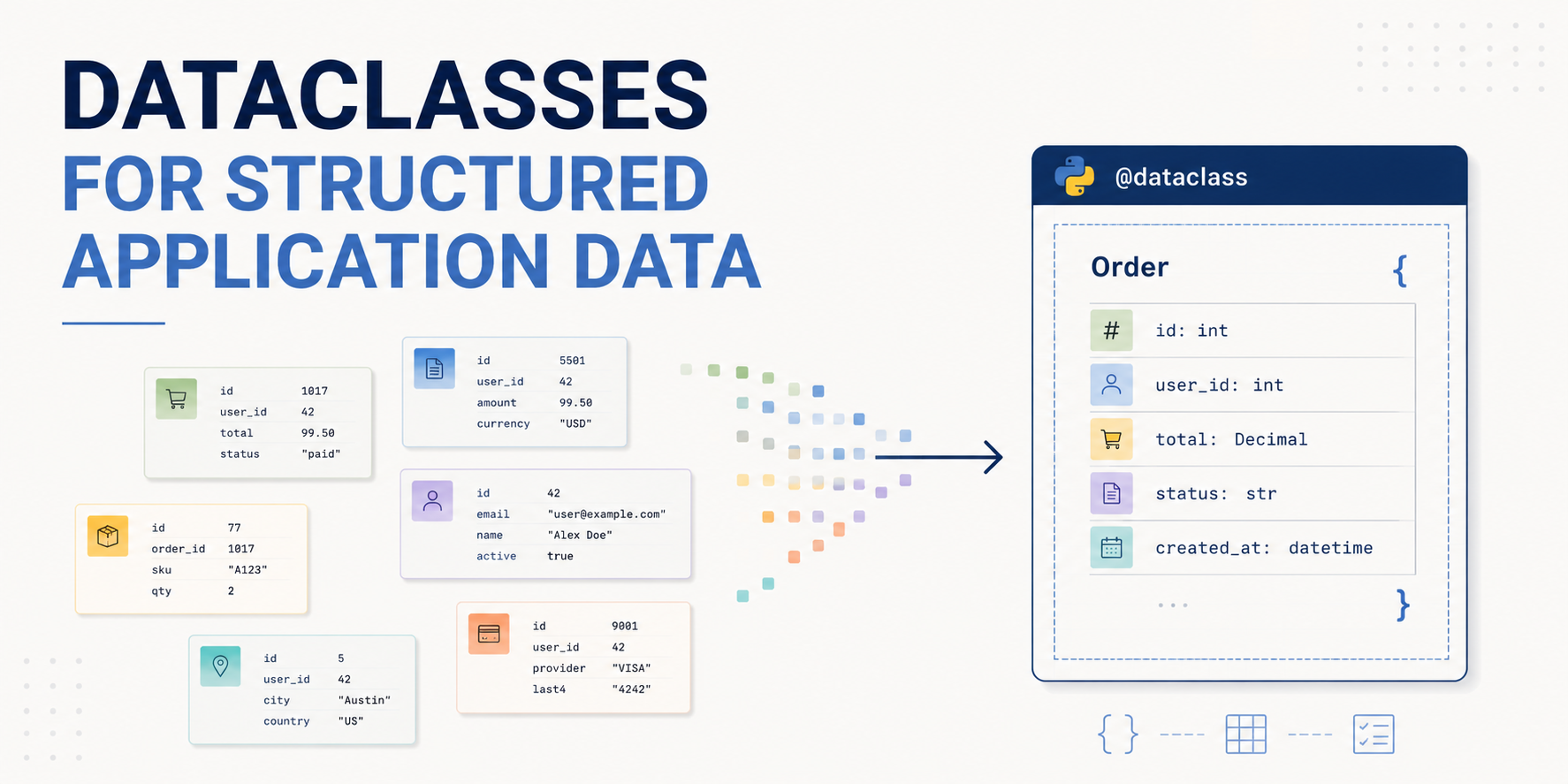
The introduction of the dataclass decorator in Python 3.7—formally proposed in PEP 557—marked a significant shift in how developers handle internal data modeling. By providing a clean, standard-library-backed way to define structured data, dataclasses allow for improved IDE support, better readability, and more robust code maintenance.
The Evolution of Configuration Management in Python
The history of data structures in Python reflects the language’s journey from a scripting tool to a robust engine for enterprise-grade data science and backend systems. In the early days, dictionaries were the default choice because they offered low overhead and dynamic manipulation. However, as the complexity of systems grew, so did the danger of mutable, untyped containers.
In the context of a batch-processing job, a dictionary might hold configuration parameters such as batch sizes, retry logic, and output formats. If one module expects a key named batch_size and another erroneously uses batchsize, the system may default to an unintended value without throwing an exception. This "silent failure" pattern is a notorious cause of production outages in data-heavy environments. By transitioning to a dataclass-based model, developers move from a system of implicit assumptions to one of explicit, readable contracts.
Structural Integrity Through Dataclasses
A dataclass is a class that primarily stores data and includes automatically generated methods such as __init__, __repr__, and __eq__. The core advantage here is the introduction of a structural schema that is visible to type checkers and IDEs. When a developer attempts to access an attribute that does not exist, the code raises an AttributeError immediately, rather than returning a default value or failing silently downstream.
For instance, consider a configuration model for a nightly data import. By defining a JobConfig class, the developer establishes a clear blueprint:
from dataclasses import dataclass

@dataclass
class JobConfig:
    name: str
    batch_size: int = 500
This approach forces the structure to be defined at the start. While it is important to note that Python’s type annotations are not enforced at runtime—meaning one could technically pass an incorrect type like a string into an integer field—the usage of dataclasses creates a significantly higher barrier for bugs compared to raw dictionaries. The tooling support, such as static analysis via Mypy or Pyright, can now catch type mismatches before the code is even executed, effectively moving the detection of errors from the runtime environment to the development cycle.
Composition and Scalability
As systems expand, a single class often becomes insufficient to represent the entirety of a configuration. The principle of composition allows developers to break down large, unwieldy data models into smaller, manageable sub-components. By nesting dataclasses, one can encapsulate specific logic—such as retry policies or output configurations—into their own distinct objects.
This modularity is critical for long-term maintainability. When a system needs to support a new type of output, such as transitioning from Parquet to Avro, the developer only needs to update the OutputConfig class. This encapsulation keeps the primary JobConfig class clean and focused on its core purpose, rather than becoming a "god object" that holds dozens of loosely related variables.
Managing Defaults and Mutability
A common pitfall in Python development is the use of mutable defaults in function arguments, which often leads to cross-pollination of state between different instances of an object. Dataclasses address this through the field(default_factory=...) mechanism. This ensures that every time a new class instance is created, a fresh object (such as a new list or a new nested config object) is initialized.
Furthermore, for configurations that should not change after a system process has started, developers can employ frozen=True. This setting makes the dataclass instances immutable, effectively preventing accidental modifications during the execution of a job. If a change is required, the dataclasses.replace() function provides a clean way to create a modified copy of the original object, ensuring that the integrity of the initial configuration is maintained throughout the process.
The Serialization Challenge
Data serialization—the process of converting an object into a format like JSON—is a point where many developers struggle when moving away from dictionaries. While asdict() provides a quick way to convert a dataclass hierarchy into a dictionary, the reverse process requires more diligence.
Because json.loads() returns a standard dictionary, it does not automatically map data back into a custom dataclass. To bridge this gap, developers should implement a from_dict class method. This creates an explicit, testable boundary. By managing the reconstruction of objects manually or via a helper function, the developer maintains full control over how data is parsed, which is essential for auditability and security.
When to Look Beyond the Standard Library
While dataclasses are a powerful tool for internal application logic, they are not a silver bullet. They are designed for data that the application owns and trusts. When data arrives from untrusted external sources—such as public APIs, user-submitted web forms, or raw configuration files edited by humans—more robust validation is required.
In these scenarios, libraries like Pydantic are often more appropriate. Pydantic performs runtime type coercion and provides detailed error reporting, which is beyond the scope of a standard dataclass. The industry consensus, supported by data from major open-source repositories, suggests a clear decision-making framework:
- Dictionaries: Best for short-lived, flexible, local data where ceremony would be detrimental.
- Dataclasses: Ideal for trusted, internal, application-owned data structures that require high readability and structural consistency.
- Pydantic: The preferred choice for data crossing the boundary from external sources, where validation, coercion, and error handling are critical.
The Broader Impact on Software Engineering
The shift toward structured data models like dataclasses is part of a larger trend in software engineering toward "defensive programming." By making data contracts explicit, teams can reduce the cognitive load on developers, decrease the time spent on debugging, and improve the overall reliability of the system.
In a professional environment, code is read far more often than it is written. By replacing vague, string-keyed dictionaries with descriptive, typed classes, the codebase becomes self-documenting. A new developer joining a project can look at a JobConfig class and immediately understand the requirements and structure of the system. This transparency is the hallmark of high-quality software, and while the transition to dataclasses may seem like a minor stylistic change, its cumulative effect on project health and stability is profound. Ultimately, prioritizing structure over convenience ensures that systems remain maintainable, scalable, and resistant to the quiet failures that plague complex, dictionary-heavy applications.