AI-Driven Robotics and Computer Vision Revolutionize Global Waste Management and Circular Economies

As international delegates and policymakers convene in Türkiye for the COP31 climate summit, discussions under the framework of zero waste initiatives face a stark, practical reality: the global economy remains profoundly linear. According to recent data from the Circularity Gap Reporting Initiative, less than 7% of the total raw materials entering the global economy originate from recycled or reused sources. Concurrently, municipal solid waste generation has surpassed two billion tons annually, a staggering environmental volume that international agencies warn could nearly double by the year 2050 if systemic recycling practices are not radically modernized.
Amidst these escalating ecological pressures, artificial intelligence and advanced robotics are emerging as critical catalysts for change. By deploying high-speed computer vision systems along high-capacity conveyor belts, modern recycling facilities are beginning to intercept thousands of tons of used textiles, mixed plastics, glass bottles, and other recyclables that would otherwise be destined for landfills. Powered by edge computing and sophisticated neural networks, these automated sorting technologies are transforming how industrial waste streams are analyzed, categorized, and redirected into closed-loop manufacturing cycles.
The Technological Shift in Resource Recovery
Traditionally, municipal solid waste management and material recovery facilities (MRFs) have relied heavily on manual labor to sort through chaotic, inconsistent streams of discarded goods. Human sorters face significant safety hazards, physical fatigue, and inherent limitations in speed, forcing facilities to rely on tiny statistical samples—often evaluating less than 1% of the total waste stream—to estimate overall composition. This lack of granular data has historically hampered the commercial viability of recycled commodities, as inconsistent quality and high processing costs frequently render recycled materials non-competitive against virgin plastics and raw fibers.
The integration of vision AI and robotics fundamentally alters this economic and operational equation. By utilizing high-resolution cameras, deep learning models, and real-time edge processing modules, innovators are enabling automated systems to inspect 100% of the materials moving across fast-moving conveyor belts. These systems capture vital metadata regarding item composition, brand origin, and structural integrity in milliseconds, allowing pneumatic pushers and robotic picking arms to extract valuable materials with unprecedented precision.
Chronology of Innovation: Startups Scaling the Circular Economy
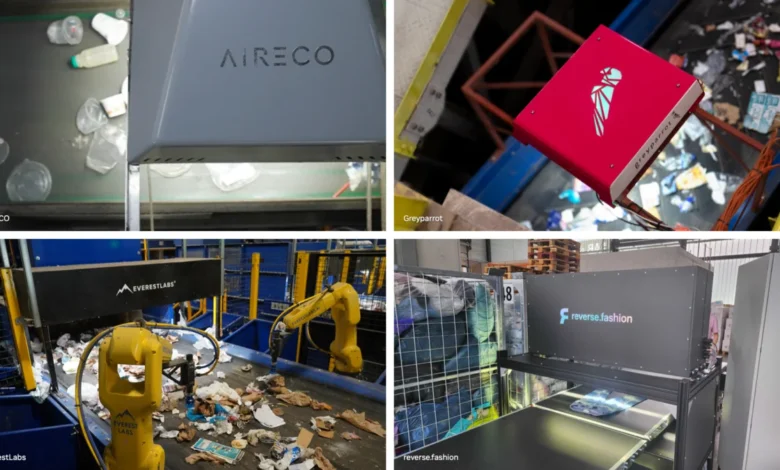
The commercial deployment of AI-powered waste sorting has accelerated rapidly over the past several years, driven by advancements in accelerated computing and hardware miniaturization. Four prominent enterprises participating in the NVIDIA Inception program for startups illustrate the diverse applications of these technologies across distinct sectors of the recycling supply chain.
AIRECO and the Precision of Closed-Loop Plastics
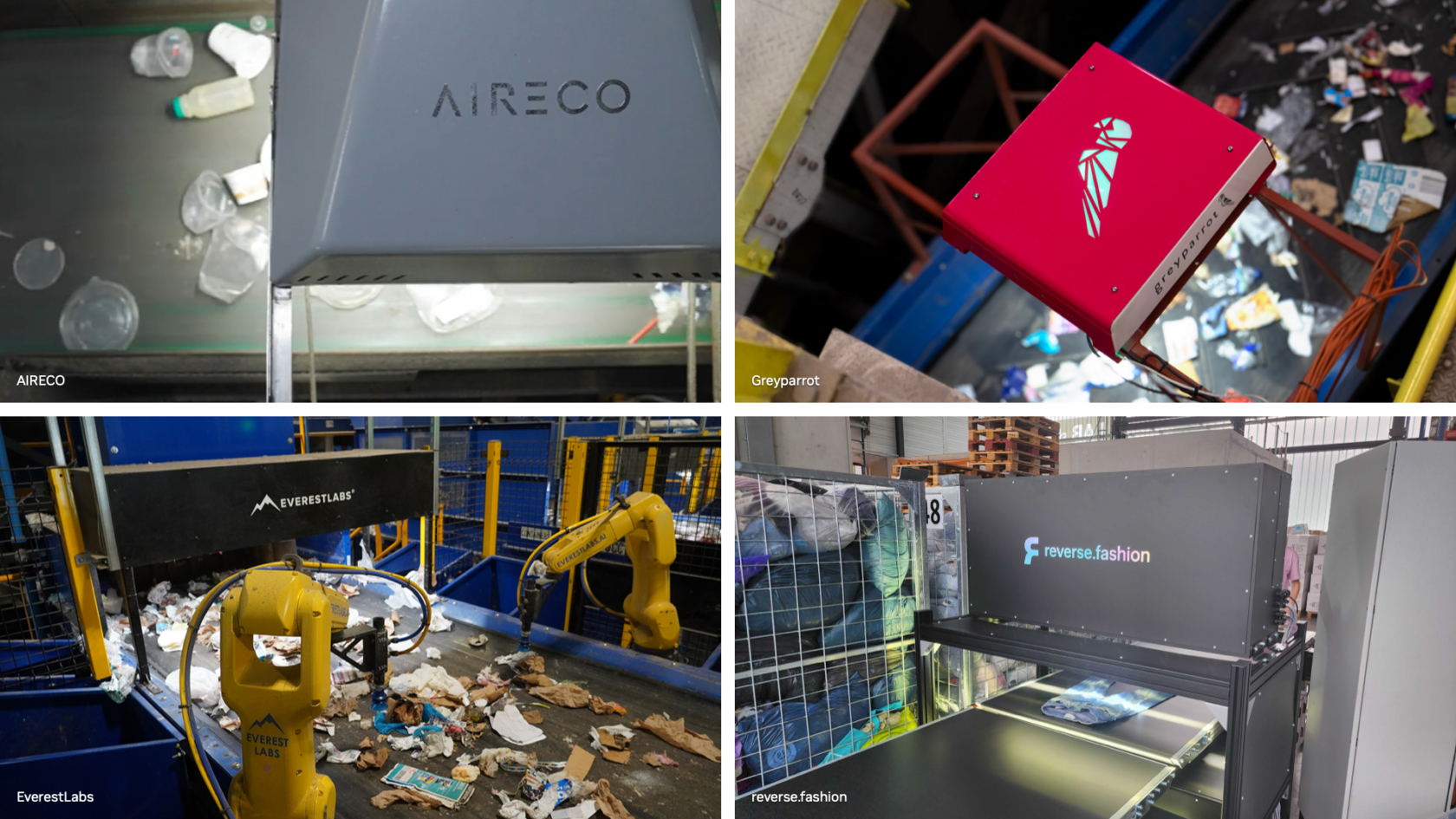
Founded in Taiwan, AIRECO addresses one of the most stubborn bottlenecks in modern recycling: the low utilization rate of post-consumer plastics. Because incoming plastic scrap is frequently mixed, contaminated, or improperly categorized, much of it is downcycled into inferior goods that cannot be recycled further. AIRECO utilizes advanced vision AI running on embedded computing modules to perform high-precision sorting on pilot lines at a recycling facility in Tainan, achieving recognition accuracy rates exceeding 95%.
By enabling automated robotic arms to pluck target polymers directly from mixed scrap piles, AIRECO facilitates closed-loop recycling, wherein items like plastic bottles can be reprocessed into identical products repeatedly. Looking ahead to full production rollouts, the startup aims to nearly triple its annual waste processing capacity from 18,000 tons to 48,000 tons while simultaneously reducing operational expenses by 85%.
EverestLabs AI and High-Speed Conveyor Sorting
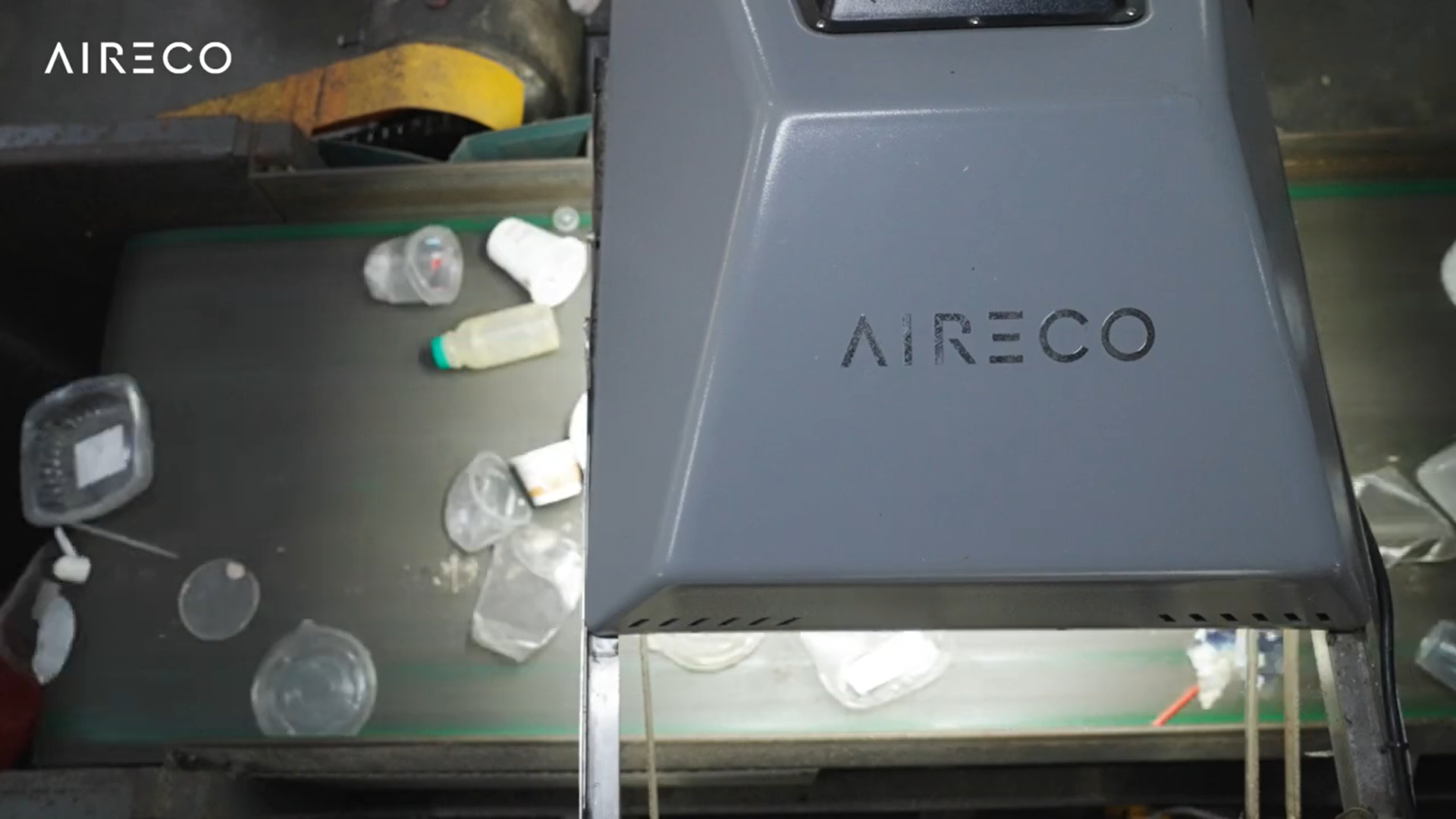
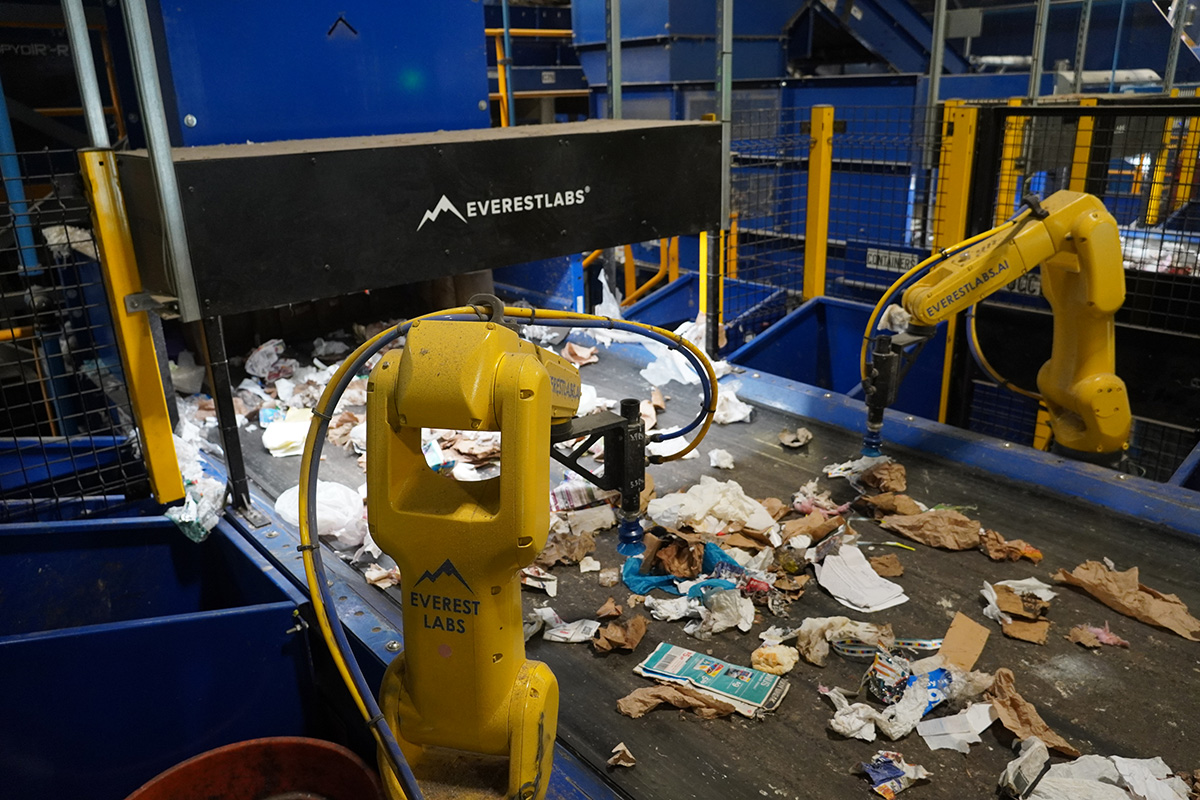
In North America and Australia, EverestLabs AI has deployed approximately 150 computer vision-guided robotics systems directly into active material recovery facilities. Operating on high-speed conveyor belts where materials travel at rapid velocity, EverestLabs must execute real-time AI inference at the edge using advanced graphics processing units while training complex models via centralized cloud data centers.
Unlike industrial robots operating in controlled manufacturing environments with virtually unlimited time constraints, recycling sorting robots face rigid spatial and temporal limits. According to company leadership, every pick must be executed instantaneously before the targeted commodity moves out of range. To date, EverestLabs systems have successfully identified approximately 40 billion objects, diverted roughly 25,000 tons of material from landfills, and prevented an estimated 30,000 metric tons of carbon dioxide emissions. The enterprise is currently expanding its portfolio to include agentic AI tools designed to provide actionable analytical insights to facility managers and corporate executives alike.
Greyparrot and Comprehensive Waste Stream Analytics
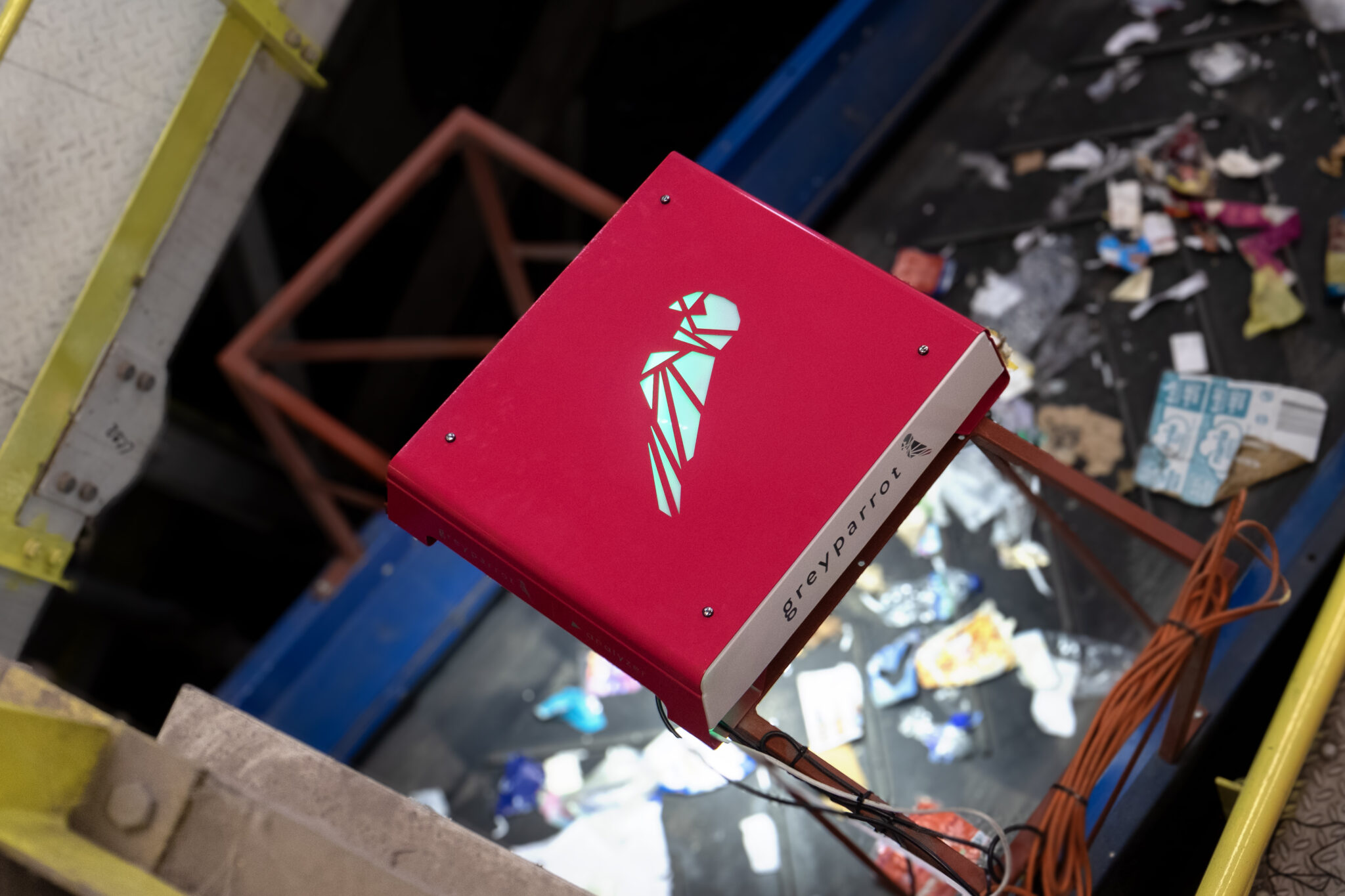
Headquartered in the United Kingdom, Greyparrot has tackled the industry-wide blind spot of waste composition analysis by developing the Analyzer platform. Mounted directly above conveyor belts operating at speeds up to four meters per second, the hardware unit utilizes deep learning models to identify individual items by material type and brand, even amid the dusty, low-visibility conditions typical of industrial recycling plants.
Greyparrot’s global footprint now encompasses over 300 Analyzer systems operating across more than 20 countries. Collectively, these installations have registered over a trillion bounding box detections, drastically reducing the labor-intensive task of auditing 15 tons of waste from 375 manual hours down to a mere six hours. Facilities utilizing this real-time intelligence report efficiency gains ranging from 10% to 30%. Notably, global packaging giant Amcor utilized Greyparrot technology to achieve a 12% increase in the yield of high-value, food-grade polypropylene, while consumer goods brands such as Coca-Cola, Colgate-Palmolive, and Kenvue leverage the platform to evaluate how their packaging performs in real-world post-consumer recovery systems.
reverse.fashion and the Automated Sorting of Used Textiles
The textile industry presents a uniquely complex sorting challenge due to the immense variety of fabrics, cuts, styles, and structural defects found in discarded garments. Europe alone generates nearly 7 million tons of used textiles annually, of which only a fraction is selectively collected and laboriously sorted by hand into hundreds of distinct categories ranging from vintage apparel to industrial cleaning rags.
Berlin-based startup reverse.fashion has introduced high-resolution computer vision systems to automate this labor-intensive workflow. As textiles glide across conveyor lines at speeds of three meters per second, each item is subjected to analysis by more than a dozen specialized vision AI models running on edge modules. The system assesses fabric composition, color, size, brand, season, and structural integrity, identifying microscopic flaws that determine whether a garment is suitable for resale or requires material recycling. Pushing processing speeds to a fraction of traditional timelines—sorting an hour’s worth of textiles in the time it previously took a week—reverse.fashion is currently scaling its deployments across European processing facilities.
Industry Perspectives and Strategic Implications
The convergence of artificial intelligence and sustainable infrastructure has drawn endorsement from major technology leaders who view computing as a foundational pillar for resource optimization.
"A more circular economy relies on making better use of what we already have," noted Josh Parker, head of sustainability at NVIDIA. "AI can help us understand what’s in a waste stream, identify what can be recovered and automate the work of sorting it. We’re giving innovators the computing tools to make those processes more effective and bring them to more places."
From an economic and environmental standpoint, the integration of edge AI into waste management infrastructure addresses multiple systemic failures simultaneously. By substituting manual sorting with automated vision systems, facilities can mitigate severe labor shortages while drastically improving the purity levels of recovered commodities. Higher material purity directly translates to higher market valuations for recycled plastics, metals, and textiles, making circular supply chains financially viable for multinational manufacturers.
Broader Impact on Global Climate Targets
As global frameworks like the COP31 zero waste mandates exert increasing pressure on governments and corporations to curb resource depletion, technological interventions in waste logistics are transitioning from experimental pilot projects to essential industrial standards. The ability to track waste streams with item-level granularity provides brand owners and regulatory bodies with verifiable data regarding producer responsibility, packaging recyclability, and lifecycle carbon accounting.
While artificial intelligence alone cannot resolve the structural challenges of overconsumption and product design, the rapid scaling of intelligent sorting infrastructure represents a vital bridge toward a more sustainable global economy. By systematically extracting unrecognized value from millions of tons of municipal solid waste, AI-driven robotics offer a scalable mechanism to transition away from linear consumption models and toward a resilient, closed-loop future.